-
×
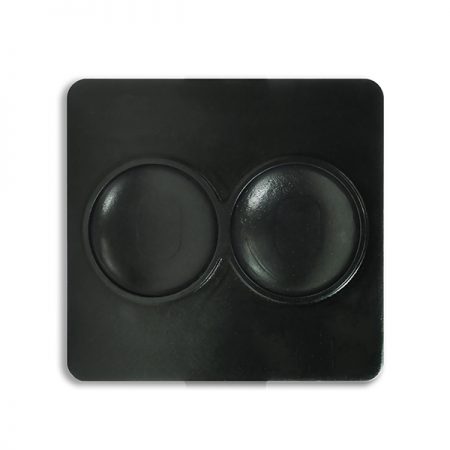 Multi Waffle Plate - American Pancake
1 × ₹7150
Multi Waffle Plate - American Pancake
1 × ₹7150
Subtotal: ₹7150 (incl. tax)
 Multi Waffle Plate - American Pancake
1 × ₹7150
Multi Waffle Plate - American Pancake
1 × ₹7150 Subtotal: ₹7150 (incl. tax)
 Just Max
A chocolate fountain only looks as good as the flow behind it, and that flow depends on a component most guests never notice: the chocolate filling pump. This is the part that draws chocolate from the base and pushes it steadily up through the tower, keeping every tier coated without gaps or splutters. In this guide, we explain what a chocolate filling pump does, why consistent flow matters for presentation and food safety, and what to check before you add one to your setup.
Key Takeaways
What a Chocolate Filling Pump Actually Does
A chocolate filling pump sits at the base of the fountain, drawing melted chocolate from the reservoir and pushing it up through the central column. From there, chocolate spills evenly over each tier before returning to the base, where the pump draws it back up again. This continuous cycle is what makes a chocolate fountain look like a steady cascade rather than an occasional dribble.
The same core mechanism supports a standalone chocolate dispenser as well, where the pump feeds a controlled tap rather than a full tower. Whether you run a standard fountain, a multi flow fountain, or a tap style unit such as the CF15 tap chocolate fountain, the pump is the working heart of the equipment, and it is worth understanding on its own terms rather than as an afterthought to the fountain itself.
Gravity alone cannot keep a tall tower coated once chocolate cools and thickens even slightly, which is why the pump has to work continuously rather than in short bursts. Taller units place more demand on the pump because chocolate has to climb further before it reaches the top tier, so the motor and impeller inside the pump need enough headroom to keep pace without straining. Smaller countertop units place less demand on the same mechanism, but the underlying principle, drawing chocolate up and letting it fall back into a shared reservoir, stays the same across every size of fountain Just Max manufactures.

[Alt: Just Max chocolate dispenser, a related product that shares the same pump mechanism] | File: inline-1-chocolate-dispenser.png
Why Consistent Flow Matters for Presentation and Food Safety
A fountain that flows unevenly is more than a cosmetic problem. Gaps in flow expose chocolate to open air for longer, which speeds up cooling, thickening, and surface skinning. That affects taste, texture, and how the display looks to guests browsing a catering buffet or a hotel dessert station.
There is also a food safety angle. A pump that recirculates chocolate reliably keeps the product moving and at a consistent temperature, which lowers the risk of chocolate sitting stagnant at the base for extended periods. Venues that follow food safety best practice treat pump reliability as part of their hygiene routine, not a separate mechanical concern. This is especially relevant for hotels and event caterers running a fountain for several hours at a stretch, where a weak or failing pump can quietly undermine an otherwise well planned dessert station.
Guests also judge a dessert station on how it looks the moment they walk up to it, and a fountain with visible dry patches or a slow trickle reads as poorly maintained even if the chocolate itself is perfectly good. For hotels competing on presentation and for caterers building a reputation through repeat corporate and wedding bookings, a pump that keeps the display looking full and glossy throughout the event is a small mechanical detail with a direct impact on guest impressions and repeat business.
How a Filling Pump Fits Into a Fountain or Dispenser Setup
Most commercial chocolate equipment is built around the pump rather than the pump being an add on. A cascade fountain and a multi flow fountain both rely on the same principle of continuous circulation, just at different scales and tower heights. Larger installations, of the kind used at theme park food courts or big hotel events, place extra demand on the pump because more chocolate has to travel a longer path without losing pressure.
This is why buyers should never treat the pump as a generic spare part. A pump sized for a small chocolate dispenser will not necessarily suit a tall multi tier fountain, and mismatching the two is one of the more common causes of uneven flow reported by first time buyers. If you are researching equipment for an event stall or a hotel buffet, it helps to review our guide to choosing a chocolate fountain alongside this pump specific breakdown, since the two decisions are closely linked.
The pump also interacts with the rest of a dessert station rather than working in isolation. A venue running a fountain next to a bottle warmer or a multi waffle machine needs every piece of equipment pulling reliably at the same time during peak service, so a pump that struggles under load can create a bottleneck for the whole station, not just the fountain itself.

[Alt: Infographic showing how a chocolate filling pump works] | File: infographic-1-how-filling-pump-works.png
What to Check Before You Buy a Chocolate Filling Pump
Flow rate is the first thing to confirm. A pump needs enough output to keep every tier of your specific fountain, whether that is a compact standard fountain or a tall multi flow unit, evenly coated without lagging. Motor duty rating matters just as much: a motor built for continuous commercial service will outlast one designed for occasional home use, particularly for hotels and caterers running events back to back.
Ease of cleaning is often overlooked at the point of purchase but becomes a daily frustration if ignored. Look for a pump assembly that strips down quickly for washing between services, since chocolate residue left in a pump housing is both a hygiene risk and a common cause of clogging. Finally, confirm compatibility with your existing or planned chocolate fountain model before buying, and check that the manufacturer offers servicing support and replacement parts, since a pump is a wear component that will eventually need attention.
Noise level is worth a mention too, since a pump running close to guests at a plated event or an indoor wedding reception should not compete with conversation. Ask for a demonstration where possible, and compare warranty terms across suppliers rather than assuming all commercial pumps carry the same coverage. A slightly higher upfront cost for a pump with a longer warranty and readily available spare parts usually works out cheaper than repeated downtime on a budget unit during your busiest booking months.

[Alt: Infographic showing what to check before buying a chocolate filling pump] | File: infographic-2-buying-checklist.png
Maintaining Your Chocolate Filling Pump for Reliable Service
A well maintained pump is the difference between a fountain that performs reliably for years and one that needs early replacement. Rinse the pump housing after every service while chocolate is still workable, and run a full strip down clean on a weekly basis for units in regular commercial use. Pair this with the same care you would give the rest of your equipment lineup, from waffle plates to a bottle warmer, where scheduled cleaning is what protects the investment over its working life.
If you are setting up a full dessert station rather than a single fountain, our catering equipment checklist covers bottle warmers, waffle plates, and dispensers alongside the pump considerations covered here. For a wider view of how Just Max equipment fits into a commercial kitchen, browse the full range in our shop or get in touch with our team for guidance on sizing a pump to your specific fountain.
Keeping a simple maintenance log, noting the date of every deep clean and any flow issues spotted during service, makes it far easier to spot a pump that is starting to wear out before it fails mid event. This small habit costs almost nothing in time but protects you from the worst case scenario of a pump giving out midway through a wedding reception or a hotel’s peak dinner service, when there is no time to source a replacement.
Conclusion
A chocolate filling pump is a small component with an outsized effect on how a fountain performs. Get the flow rate, build quality, and cleaning routine right, and the rest of the display takes care of itself. If you are speccing equipment for an upcoming event or a permanent dessert station, contact the Just Max team for help matching a pump to your fountain, or explore our full range of commercial chocolate fountains and accessories to plan your setup from the ground up.
Frequently Asked Questions
What does a chocolate filling pump do in a chocolate fountain?
It draws melted chocolate from the base reservoir and pushes it up through the tower, then recirculates the chocolate that falls back down. This keeps every tier coated in a steady, continuous flow.
How is a chocolate transfer pump different from a regular water pump?
A chocolate transfer pump is built to handle thick, viscous liquid chocolate rather than thin liquids, with wider channels and food grade materials that resist clogging and are safe for direct food contact.
Can the same chocolate pump equipment work for both a fountain and a dispenser?
Often yes, since a fountain and a chocolate dispenser share the same core pumping principle. Confirm flow rate and fitting compatibility with the specific unit before assuming interchangeability.
Why does my fountain flow become uneven over time?
Uneven flow usually points to a pump losing pressure, chocolate residue building up in the housing, or chocolate that has thickened past a workable tempering consistency. Regular cleaning resolves most cases.
How often should a commercial chocolate fountain pump be cleaned?
Rinse it after every service while chocolate is still workable, and run a full strip down clean at least weekly for units in regular commercial use, more often during high volume event seasons.
What flow rate should I look for in a fountain filling pump?
Flow rate should match your fountain’s tower height and tier count. Taller multi flow fountains need higher output than a compact standard model to keep every tier evenly coated without lagging.
Does pump quality affect food safety at events?
Yes. A reliable pump keeps chocolate moving and at a consistent temperature, reducing the time chocolate sits stagnant, which matters for hygiene at events run by hotels and professional caterers.
Where can I buy a replacement chocolate filling pump in India?
Just Max supplies filling pumps sized for its own fountain range, along with bottle warmers such as the quadruple bottle warmer for wider dessert station needs. Contact the team to confirm the right pump for your model.
Is a stronger pump always better for a chocolate fountain?
Not necessarily. A pump that is too powerful for a small fountain can cause splashing and waste, while one that is undersized causes lag. Matching pump output to fountain size gives the most reliable result.
Can I buy chocolate filling pumps and premix supplies together for a new setup?
Yes, buyers setting up a new dessert station often source pumps alongside bulk ingredients. See our guide on wholesale catering premix ordering for the supply side of the equation.