

Categories
CHOCO SPREADS

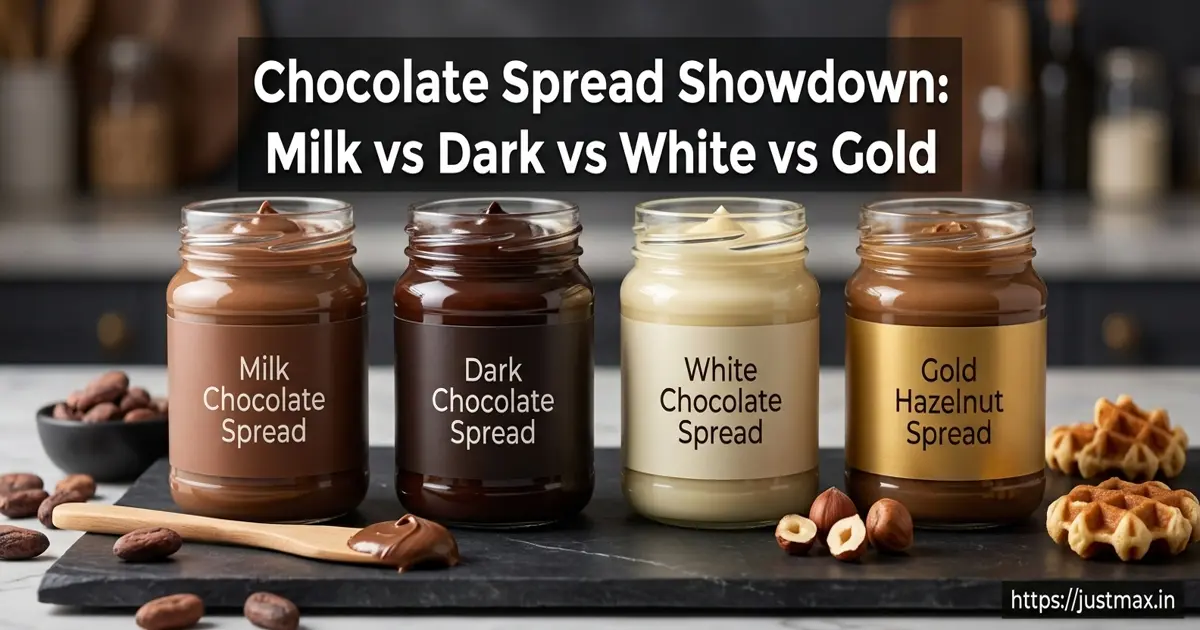
Chocolate Spread Showdown: Milk vs Dark vs White vs Gold

Chocolate spread is one of the most versatile ingredients a professional kitchen can stock. Whether you run a cafe, a catering operation, or a dessert stall, the variety you choose directly affects flavor, presentation, and customer satisfaction. With so many options available, including milk, dark, white, and the premium Gold line, making the right call can feel overwhelming. This guide breaks down each variant clearly so you can match the right chocolate spread to the right dish and boost sales at every turn.

Key Takeaways

  • Milk chocolate spread suits everyday desserts and family-friendly menus with its creamy, sweet profile.
  • Dark Chocolate Spread delivers depth and sophistication, making it ideal for premium and adult-oriented dessert offerings.
  • The Gold line, including Milk Chocolate Spread Gold and Hazelnut Spread Gold, offers elevated richness for upscale menus and event catering.
  • Choosing the right spread variant can increase average order value and improve repeat customer rates.

What Makes Each Chocolate Spread Different?

The core difference between spread variants lies in their cocoa content, sweetness level, and texture. Milk chocolate spread is blended with milk solids, giving it a lighter, creamier consistency that melts smoothly. Dark Chocolate Spread uses a higher percentage of cocoa with less sugar, producing a more intense, bittersweet taste. White chocolate spread contains no cocoa solids at all, relying instead on cocoa butter, sugar, and milk for its pale color and sweet, buttery flavor. The Gold variants take any of these base profiles and enhance them with premium ingredients, richer emulsification, and a more refined finish suited for commercial use.

Understanding these differences is not just about taste. It is about knowing which spread performs best during service, which one holds up under heat, and which one photographs best for your menu boards and social media content.

Milk Chocolate Spread: The All-Rounder for Everyday Menus

Milk chocolate spread is the most widely used variety in commercial kitchens across India. Its balanced sweetness and smooth texture make it a reliable topping for waffles, pancakes, crepes, and toast. It pairs well with fruits, nuts, and whipped cream, making it a flexible base for multiple menu items. For caterers serving families or large mixed groups, this variant guarantees broad appeal without polarizing any segment of the audience.

The Milk Chocolate Spread Gold from Just Max takes this reliability up a notch. It delivers a creamier mouthfeel, a richer cocoa note, and a glossy finish that elevates even a simple waffle plate into something that looks and tastes premium. If you are looking to understand how this spread pairs with popular dessert applications, the guide on why milk chocolate spread is the perfect companion for waffles, pancakes, and desserts covers practical pairings in detail.

Dark Chocolate Spread: The Premium Pick for Discerning Tastes

Dark chocolate spread is the choice for operators who want to signal quality and sophistication. Its higher cocoa content produces a deeper, more complex flavor that works exceptionally well with savory-leaning desserts, espresso-based drinks, and high-end pastry presentations. Customers who appreciate single-origin coffee or artisan chocolate will gravitate toward dark spread options naturally.

From a commercial standpoint, Dark Chocolate Spread commands a higher perceived value on menus. Listing it as a premium option alongside a standard milk variant allows you to create a tiered pricing structure that boosts average transaction size. It also performs beautifully as a dipping sauce when warmed in a chocolate dispenser, creating a dramatic presentation that encourages repeat orders. For more inspiration on building premium dessert offerings using dark spread, visit the blog on dark chocolate spread for premium dessert menus.

When to Use Dark Chocolate Spread vs Milk Chocolate Spread

  • Use Dark Chocolate Spread for adult dessert menus, upscale event catering, and coffee shop pairings.
  • Use milk chocolate spread for family events, children’s menus, and high-volume waffle or pancake stations.
  • Mix both variants to create a marble-effect presentation that adds visual drama at minimal cost.
  • Consider the heat resistance of each variant when using with fountain or dispenser equipment.

White Chocolate Spread: The Wildcard That Stands Out

White chocolate spread occupies a unique position in the market. It contains no cocoa solids, which gives it a mild, vanilla-forward sweetness that acts as a neutral canvas. This makes it an excellent partner for bold toppings like berries, matcha, or salted caramel. In a competitive cafe environment, offering white chocolate spread as a differentiated option signals creativity and menu breadth to customers who have seen milk and dark spread everywhere.

White spread also works well in layered dessert constructions where color contrast is important. Think of a crepe folded over a white chocolate base with fresh strawberries and a dark chocolate drizzle on top. The visual contrast drives social sharing, which is valuable organic marketing for any food business. According to research published by the Journal of Sensory Studies, visual appeal significantly influences dessert purchase decisions in commercial settings, reinforcing why spread variety and presentation matter.

The Gold Line: Where Everyday Quality Becomes a Competitive Edge

The Gold line represents the top tier of the Just Max spread range. These are not everyday commodity products. They are formulated specifically for professional use, with improved texture stability, a richer flavor profile, and a more consistent pour at commercial temperatures. The Gold variants are designed to perform reliably under the demands of a busy catering or restaurant kitchen.

The Hazelnut Spread Gold variant deserves special attention. Hazelnut and chocolate is one of the most beloved flavor combinations globally, and the Gold formulation delivers this pairing with a smoothness and intensity that basic hazelnut spreads cannot match. For food businesses looking to differentiate their waffle or pancake menus, incorporating a Gold-tier hazelnut spread as a featured offering can significantly increase table spend. The blog on Hazelnut Spread Gold as a premium addition to Just Max spreads provides a detailed look at what makes this variant stand apart from standard options.

Gold Line vs Standard Spreads: Key Differences at a Glance

  • Texture: Gold line spreads offer a finer, more emulsified consistency that coats surfaces evenly without pooling.
  • Flavor depth: Richer cocoa and nut notes that remain stable even after heating or refrigeration cycles.
  • Shelf performance: Formulated for commercial shelf stability, reducing waste in high-turnover environments.
  • Menu positioning: Allows operators to justify premium menu pricing with a visible quality difference customers can taste.

Choosing the Right Spread for Your Business Model

The right chocolate spread choice depends on your menu positioning, your customer base, and your operational setup. A high-volume street food stall benefits most from a reliable milk chocolate spread that is easy to apply, cost-effective, and broadly loved. A boutique cafe or events catering company gains more from the Gold or dark variants, which support premium branding and allow higher menu price points.

Consider also the equipment you are using. Spreads applied through a dispenser or chocolate fountain behave differently from those used for direct spreading. Thicker Gold variants may need slight warming for optimal flow through dispensing equipment. Pairing the right spread with the right delivery method, such as a standard chocolate fountain, ensures consistent results and reduces product waste during service.

According to industry data from the Euromonitor International food and beverage reports, chocolate-based spreads continue to see year-on-year growth in the Indian food service sector, driven by rising cafe culture and increasing demand for dessert-focused menu items. Stocking multiple spread variants positions your business to capture this growing demand across different customer segments.

Conclusion: Match Your Spread to Your Menu Strategy

Every variant of chocolate spread serves a purpose. Milk spread anchors everyday menus with consistent, crowd-pleasing flavor. Dark spread elevates the perceived quality of your dessert offerings. White spread adds creative versatility and visual contrast. The Gold line, covering both Milk Chocolate Spread Gold and Hazelnut Spread Gold, delivers the professional-grade performance that serious food businesses need to stand out. Choosing thoughtfully across these variants is not just a product decision. It is a menu strategy that directly impacts customer satisfaction and revenue. Explore the full Just Max spread range and contact the team to find the right variants for your operation.

What is the difference between milk chocolate spread and dark chocolate spread?


Milk chocolate spread contains milk solids and more sugar, giving it a creamy, sweet flavor. Dark chocolate spread has a higher cocoa content and less sugar, producing a richer, more intense taste that works well for premium dessert menus and adult-oriented food offerings.


Is the Gold line chocolate spread worth the extra cost for a cafe or catering business?


Yes. The Gold line offers superior texture stability, richer flavor depth, and better commercial performance compared to standard spreads. It allows operators to justify premium menu pricing, which increases average transaction value. The quality difference is noticeable to customers and supports stronger brand positioning.


Can I use chocolate spread in a chocolate fountain or dispenser?


Most chocolate spreads can be used in fountain and dispenser setups, though thicker Gold variants may need slight warming for smooth flow. Pairing the right spread consistency with appropriate equipment ensures even coating and reduces product waste during high-volume service.


Which chocolate spread variant is best for children’s menus or family catering events?


Milk chocolate spread is the safest choice for family-focused menus. Its balanced sweetness and creamy texture are widely enjoyed across age groups. It pairs well with waffles, pancakes, and fruit platters, making it a dependable option for large mixed-audience catering events.


How does hazelnut spread differ from a standard chocolate spread?


Hazelnut spread blends roasted hazelnut paste with chocolate, creating a nuttier, more complex flavor than plain chocolate spread. The hazelnut spread top choice for waffles and pancakes guide explains how this combination enhances dessert menus with minimal effort and strong customer appeal.

What is white chocolate spread made of and how should I use it on my menu?


White chocolate spread contains cocoa butter, sugar, and milk but no cocoa solids, giving it a mild, vanilla-forward flavor. It works well as a base for colorful dessert presentations, especially when paired with berries, matcha, or salted caramel toppings that benefit from a neutral sweet backdrop.

How do I store chocolate spread correctly in a commercial kitchen?

Store chocolate spread at room temperature away from direct sunlight and moisture. Avoid refrigerating unless the label specifies it, as cold temperatures can cause separation or hardening. Always reseal containers after use to maintain freshness and prevent cross-contamination in a busy commercial kitchen environment.

Can chocolate spread be used in baking recipes as well as for direct spreading?


Absolutely. Chocolate spread works as a filling for pastries, a swirl ingredient in muffin batter, or a ganache base when combined with cream. Its versatility makes it one of the most useful ingredients in a professional kitchen beyond simple spreading applications on waffles or pancakes.


Which Just Max spread is best for building a dessert spread board for events?


A combination of milk and dark spread variants creates the best visual and flavor contrast on a dessert board. For a comprehensive approach to building dessert presentations, the dessert spread board guide for cafes offers practical setup tips suited to event catering and cafe menus.


How many chocolate spread variants should a professional caterer stock?


Stocking at least two to three variants, typically milk, dark, and one Gold or hazelnut option, covers most menu needs and customer preferences. This range allows tiered pricing, creative plating, and flexible menu design without overstocking. Start with your core seller and expand based on customer demand.



Categories
CHOCO SPREADS

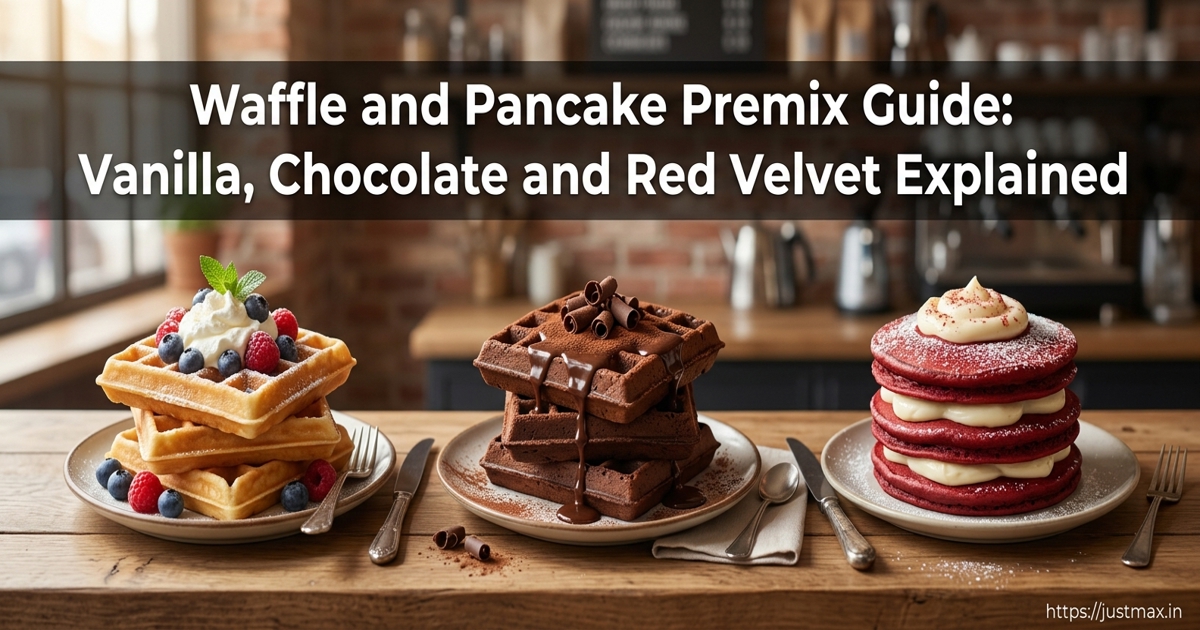
Waffle and Pancake Premix Guide: Vanilla, Chocolate and Red Velvet Explained

Waffle and Pancake Premix: Choosing the Right Flavor for Your Menu

Waffle and pancake premix options have transformed how cafes and food businesses serve consistent, high-quality desserts every single day. Whether you run a busy cafe, a catering setup, or a cloud kitchen, choosing between vanilla, chocolate, and red velvet premix can directly impact your menu appeal, order volume, and operational efficiency. This guide breaks down each flavor in detail so you can make an informed decision for your business.

Key Takeaways

  • Vanilla waffle and pancake premix is the most versatile base and works with nearly any topping combination, making it ideal for high-volume kitchens.
  • Chocolate premix delivers rich, indulgent flavor that consistently attracts dessert-first customers and drives strong repeat orders.
  • Red velvet waffle and pancake premix creates a visually striking, premium product that commands higher price points and performs exceptionally on social media.

Why Premix Flavors Matter More Than You Think

When cafe owners think about expanding their dessert menu, the choice of premix flavor is often underestimated. The flavor you stock directly affects customer perception, menu photography for social media, and your ability to upsell with toppings and spreads. A well-chosen waffle and pancake premix can become the cornerstone of your dessert menu rather than just a side item.

According to food industry research published by Statista, dessert and bakery categories remain among the fastest-growing segments in India’s quick-service restaurant market. Cafes that offer multiple waffle and pancake variations consistently report higher average order values compared to those with a single option.

For a broader view of how premixes can structure a profitable cafe menu, explore how ready-to-use premixes help build a profitable cafe menu.

Vanilla Waffle and Pancake Premix: The Versatile Classic

The vanilla waffle and pancake premix is the most widely used base across cafes and food service outlets in India. Its neutral, lightly sweet flavor makes it an ideal canvas for toppings, sauces, and spreads. Whether you pair it with fresh fruit, chocolate drizzle, or a pistachio spread, the vanilla base never overpowers the experience.

This premix is especially recommended for high-volume outlets where speed and consistency are priorities. Because it works well with nearly every topping combination, kitchen staff can prepare multiple variations from a single batch without altering the core recipe. This reduces ingredient costs and simplifies staff training significantly.

Vanilla premix also performs exceptionally well in breakfast menus, brunch setups, and kids party catering. For those exploring creative applications, the classic choice for vanilla waffle and pancakes premix goes deeper into its applications and best practices.

  • Best paired with: Nutella, fruit compotes, whipped cream, cookie spread, and pistachio spread
  • Ideal for: All-day cafes, brunch menus, kids menus, corporate catering
  • Key advantage: Maximum topping flexibility and broad customer appeal

Chocolate Waffle and Pancake Premix: Rich Flavor That Sells Itself

The chocolate waffle and pancake premix is a crowd favorite, particularly among younger customers and dessert enthusiasts. Its deep cocoa flavor delivers immediate indulgence, making it one of the easiest items to photograph and promote on social media. A well-made chocolate waffle with a drizzle of warm chocolate sauce creates a powerful visual that drives organic engagement for your cafe.

From an operational standpoint, chocolate premix works best when paired with complementary spreads rather than overpowering ones. Milk chocolate spread, dark chocolate sauce, or a light vanilla cream provide contrast that balances the richness of the base. Cafes that stock a dedicated chocolate pancake and waffle premix consistently report it as a top-selling item during evening and weekend service hours.

For businesses looking to understand how chocolate spreads pair effectively with these products, the guide on expanding dessert menus with chocolate spread and dark chocolate spread provides practical pairing insights.

  • Best paired with: Milk chocolate spread, ice cream, caramel sauce, roasted nuts, dark chocolate drizzle
  • Ideal for: Dessert cafes, late-night menus, food courts, school canteens
  • Key advantage: Strong visual appeal and consistent repeat orders

Red Velvet Waffle and Pancake Premix: The Premium Menu Addition

The red velvet waffle and pancake premix occupies a distinct space in any cafe menu. Its bold crimson color is immediately eye-catching and creates an instant premium impression. Customers associate red velvet with celebration, occasion, and indulgence, which means your cafe can charge a higher price point for these items without resistance.

Red velvet pancakes and waffles perform exceptionally well during festive seasons, Valentine’s Day promotions, and weekend brunch specials. The slightly tangy, cocoa-infused flavor pairs beautifully with cream cheese frosting, white chocolate drizzle, or fresh berries. This combination of unique color and complex flavor makes it one of the strongest upsell opportunities in the dessert category.

For more inspiration on how red velvet can transform a breakfast menu, the detailed post on red velvet pancake premix and 5 ways to transform breakfast offers actionable ideas for cafe owners.

  • Best paired with: Cream cheese spread, white chocolate, fresh strawberries, powdered sugar
  • Ideal for: Premium cafes, special occasion menus, Valentine’s specials, brunch popups
  • Key advantage: Higher perceived value and strong social media visual appeal

Side-by-Side Comparison: Which Premix Suits Your Business?

Choosing the right waffle and pancake premix depends on your cafe type, customer base, and menu goals. Below is a practical comparison to help you decide.

  • Menu diversity: Vanilla offers the widest flexibility. Chocolate and red velvet serve niche but high-demand segments.
  • Price positioning: Red velvet supports premium pricing. Vanilla and chocolate suit standard to mid-range price points.
  • Operational ease: All three are ready-to-use formats that reduce prep time. Vanilla requires the least additional instruction for staff.
  • Customer demographics: Chocolate appeals to younger audiences. Vanilla suits a broad age range. Red velvet attracts experience-seeking customers willing to pay more.
  • Social media value: Red velvet ranks highest for visual impact. Chocolate is a close second due to rich texture and drizzle aesthetics.

For high-volume operations considering bulk purchasing, the resource on ready-to-use waffle mix best for high-volume outlets explains why consistent premix quality matters at scale.

How to Maximize Returns From Your Premix Investment

Stocking the right premix is only one part of the equation. To truly maximize the return on your investment, combine your premix selection with the right equipment, toppings, and service format. A reliable waffle maker that handles consistent batter volumes is essential for both quality and speed during peak hours.

Pairing your premix with premium spreads also increases average order value. Offering a waffle and pancake mix with a choice of chocolate, pistachio, or cookie spread as an add-on is a simple but effective upsell strategy. Research from food business consultants at FSSAI indicates that menu add-ons and customization options directly correlate with increased customer spend per visit.

Consider starting with all three flavors in smaller quantities to test customer response at your outlet before committing to bulk orders. Track which flavor generates the most repeat orders and scale accordingly.

Conclusion: Pick the Right Premix and Build a Stronger Menu

The right waffle and pancake premix can elevate your cafe menu from ordinary to memorable. Vanilla is your reliable, flexible everyday option. Chocolate is your crowd-pleaser that drives volume. Red velvet is your premium, occasion-driven showstopper. Used together, they cover every customer segment and every occasion your business will encounter. Start with the flavor that best matches your current customer base, then expand your offering as demand grows. Explore the full range of dessert equipment and premix solutions through the Just Max appliances and cafe solutions page to find products that fit your kitchen, your menu, and your business goals.

What is the difference between vanilla and chocolate waffle and pancake premix?

Vanilla waffle and pancake premix has a neutral, sweet base that works with almost any topping. Chocolate premix delivers a rich cocoa flavor ideal for dessert-focused menus. Both are ready-to-use formats that ensure consistent output in high-volume cafe kitchens.


Is red velvet waffle premix suitable for everyday cafe menus?

Red velvet premix works best as a premium or seasonal menu item rather than an everyday staple. Its bold color and slightly tangy flavor appeal to occasion-driven customers. Many cafes use it during weekends or festive promotions to command higher price points and increase order value.


Can I use waffle and pancake premix for both waffles and pancakes?

Yes, most quality premixes are formulated to work for both waffles and pancakes with minor batter adjustments. This dual-use format reduces the number of ingredients you need to stock and simplifies kitchen operations, making it ideal for cafes managing multiple menu items simultaneously.


Which premix flavor is best for high-volume catering operations?

Vanilla waffle and pancake premix is the best choice for high-volume catering because of its broad appeal and topping flexibility. It requires minimal customization and suits diverse guest preferences. For bulk purchasing guidance, the resource on bulk waffle pancake premix for catering businesses is highly informative.


How do I pair chocolate premix with the right spreads and toppings?

Chocolate waffle and pancake premix pairs best with milk chocolate spread, caramel sauce, roasted almonds, or vanilla ice cream. Avoid overly sweet toppings that compete with the cocoa base. A light cream or a contrasting white chocolate drizzle creates a balanced and visually appealing dessert presentation.


What equipment do I need to serve waffles and pancakes in a cafe?

You need a reliable waffle maker and a flat griddle or crepe maker for pancakes. Consistent batter volume is critical for uniform output during peak hours. Explore the range of catering appliances available at Just Max to find equipment suited to your kitchen scale and service volume.


How does red velvet waffle premix help increase cafe revenue?

Red velvet waffles and pancakes carry a premium perception that allows cafes to charge more per serving. The vibrant color drives social media sharing, which increases organic visibility for your outlet. This combination of higher price point and free marketing makes it one of the strongest revenue-generating menu items.


Is vanilla waffle and pancake premix suitable for kids party catering?

Vanilla waffle premix is an excellent choice for kids party catering because of its mild, universally loved flavor. It pairs well with fruit toppings, chocolate spreads, and whipped cream. The kids party catering guide using waffle premix and fun spreads covers creative presentation ideas for younger audiences.


Can I offer all three premix flavors on the same menu?

Absolutely. Offering vanilla, chocolate, and red velvet waffle and pancake premix together gives your menu broad coverage across customer segments. Vanilla serves everyday orders, chocolate drives dessert demand, and red velvet supports premium pricing. This three-flavor strategy is effective for cafes aiming to increase average order value consistently.


How do I choose between Belgian waffle premix and standard waffle premix?

Belgian waffle premix produces a thicker, crispier waffle with deeper grid pockets ideal for heavy toppings. Standard waffle premix is lighter and suits faster service formats. Your choice depends on your equipment, customer expectations, and menu positioning. The Belgian waffle pancakes premix guide for cafes explains the key differences clearly.


Categories
CHOCO SPREADS

Why Great Desserts Start with the Right Base

Introduction

Every exceptional dessert served in a commercial kitchen traces its success back to one critical factor: the quality of its dessert base ingredients. Whether you operate a bustling café, a catering business, or a quick-service restaurant, the foundation of your sweet offerings determines customer satisfaction, operational efficiency, and profit margins. Substandard ingredients lead to inconsistent results, increased waste, and disappointed patrons who may never return.

This guide explores how foodservice professionals can select the right dessert foundation for their operations. You will learn what distinguishes premium dessert ingredients from ordinary alternatives, how to evaluate suppliers, and practical strategies for maximizing your investment in quality dessert base products India’s commercial kitchens rely on daily.

Key Takeaways

  • Quality dessert base ingredients ensure consistent taste, texture, and presentation across every serving, reducing waste and customer complaints.
  • Premium dessert ingredients from reliable suppliers streamline kitchen operations, minimize staff training requirements, and improve profit margins by 15-25%.
  • Selecting the right dessert foundation involves evaluating ingredient purity, shelf stability, equipment compatibility, and supplier reliability for long-term partnership value.

Understanding What Makes a Quality Dessert Foundation

A strong dessert foundation refers to the core ingredients and premixes that form the base of popular sweet items like waffles, pancakes, crepes, and pastries. The quality of this foundation directly impacts taste consistency, cooking behaviour, and final presentation. Commercial kitchens cannot afford the variability that comes with inferior base products.

Professional-grade waffle and pancake premixes exemplify what a quality dessert foundation should deliver. These products undergo rigorous formulation to ensure uniform batter consistency batch after batch. Unlike retail-grade alternatives, commercial premixes account for high-volume preparation demands, equipment specifications, and extended service periods. They dissolve quickly, resist over-mixing damage, and produce predictable results even when different staff members prepare them. For foodservice operators, this consistency translates directly into reduced waste, faster service times, and reliable customer experiences that build repeat business.

Key Characteristics of Premium Dessert Ingredients

Premium dessert ingredients distinguish themselves through several measurable qualities that directly affect commercial kitchen performance. Understanding these characteristics helps operators make informed purchasing decisions that align with their operational requirements and quality standards.

Purity and composition stand as the primary differentiators. High-quality base ingredients contain minimal fillers, artificial additives, or cost-cutting substitutes. They use refined flours, natural flavourings, and balanced leavening agents that perform consistently under commercial cooking conditions. Products like the Belgian waffle and pancake premix demonstrate this approach, delivering authentic taste profiles without requiring operators to source and measure individual components.

Shelf stability and storage requirements matter significantly for inventory management. Premium ingredients maintain their performance characteristics longer, reducing spoilage losses and allowing bulk purchasing advantages. Look for products with clear manufacturing dates, reasonable shelf lives of 6-12 months, and storage conditions compatible with your facility.

Equipment compatibility ensures the ingredients work seamlessly with your existing machinery. Quality premixes are formulated to perform optimally in standard commercial waffle makers, pancake griddles, and crepe machines without requiring equipment modifications or special handling procedures.

How Dessert Base Ingredients Impact Profit Margins

The connection between ingredient quality and profitability extends far beyond simple cost-per-unit calculations. Quality dessert base ingredients influence multiple revenue and cost factors that compound over time to create significant financial differences.

Waste reduction represents the most immediate financial benefit. Consistent ingredients produce consistent results, meaning fewer rejected items, less rework, and reduced disposal costs. Commercial kitchens using premium chocolate premix for waffles and pancakes report 20-30% reductions in preparation waste compared to lower-quality alternatives.

Labour efficiency improves when staff work with reliable ingredients. Quality premixes require less supervision, fewer corrective adjustments, and shorter training periods for new employees. This efficiency gain compounds across all service hours and staff changes.

Portion consistency enables accurate cost control and pricing. When every waffle, pancake, or crepe delivers identical quality, operators can price confidently, knowing their food costs remain predictable. This consistency also supports franchise and multi-location operations where standardization across outlets is essential.

Customer satisfaction and return rates ultimately drive long-term profitability. Diners who receive consistently excellent desserts become repeat customers and generate positive word-of-mouth recommendations. Industry studies indicate that dessert quality significantly influences overall dining experience ratings and return visit intentions.

Selecting the Right Supplier for Quality Dessert Base Products India

Choosing the right ingredient supplier requires evaluating factors beyond simple pricing. The best suppliers become long-term partners who contribute to your operational success through consistent quality, reliable delivery, and responsive service.

Product range and specialization indicate supplier expertise. Suppliers focused on foodservice ingredients understand commercial kitchen demands better than generalist distributors. They offer products specifically formulated for professional use, such as specialized vanilla waffle premixes designed for high-volume production environments.

Quality certifications and testing standards provide objective verification of product quality. Look for suppliers who maintain food safety certifications, conduct regular quality testing, and can provide documentation of their quality control processes upon request.

Delivery reliability and minimum order requirements affect your inventory management capabilities. Evaluate suppliers based on their delivery track record, geographic coverage, lead times, and flexibility regarding order sizes. The best suppliers accommodate both large restocking orders and urgent smaller shipments when needed.

Technical support and training resources add value beyond the products themselves. Suppliers who provide recipe guidance, equipment recommendations, and staff training assistance help operators maximize their ingredient investments. This support proves particularly valuable when introducing new menu items or training new kitchen staff.

Practical Tips for Evaluating Dessert Ingredients Before Purchase

Before committing to a new ingredient supplier or product line, conduct systematic evaluation to ensure the products meet your specific operational requirements. This due diligence prevents costly mistakes and identifies the best options for your kitchen.

Request samples and conduct controlled testing before placing volume orders. Prepare the products using your standard equipment and procedures, then evaluate results against your quality standards. Test across multiple preparation sessions and with different staff members to assess consistency.

Calculate true cost per serving rather than comparing only unit prices. Factor in preparation time, waste rates, portion yields, and any additional ingredients required. A higher-priced premix that delivers better yields and lower waste often proves more economical than cheaper alternatives.

Verify shelf life claims through your own observation. Store sample products under your actual facility conditions and monitor quality degradation over time. Products that maintain quality throughout their stated shelf life represent better inventory investments.

Check equipment compatibility by testing products in your specific machines. Batter viscosity, cooking times, and release characteristics can vary between equipment brands and models. Ensure the ingredients perform optimally in your kitchen environment.

Evaluate supplier responsiveness during the evaluation period. Contact their customer service with questions, request technical information, and assess how quickly and helpfully they respond. This interaction previews the service experience you will receive as a regular customer.

Building a Complete Dessert Menu with Quality Base Products

Quality dessert base ingredients enable menu diversification that attracts broader customer segments and increases average transaction values. Strategic ingredient selection supports efficient menu expansion without proportionally increasing complexity or costs.

Flavour variety from a common foundation simplifies inventory while offering customers choices. A single high-quality base premix can support multiple menu items through topping variations, flavour additions, and presentation differences. This approach maximizes ingredient utilization while minimizing storage requirements.

Complementary products extend dessert offerings efficiently. Premium chocolate spreads and specialty toppings transform basic items into premium offerings that command higher prices. These additions require minimal preparation skill while significantly enhancing perceived value.

Seasonal and promotional items become feasible when base ingredients are reliable. Operators can confidently introduce limited-time offerings knowing the foundation will perform consistently. This flexibility supports marketing initiatives and keeps menus fresh for regular customers.

Scaling considerations benefit from established ingredient quality standards. When expanding to additional locations or increasing production volumes, quality base products maintain consistency across the growth. This reliability protects brand reputation during expansion phases.

Conclusion

Selecting the right dessert base ingredients establishes the foundation for commercial dessert success. Quality ingredients deliver consistent results, reduce operational waste, improve staff efficiency, and ultimately enhance customer satisfaction and profit margins. The investment in premium dessert ingredients pays returns across every aspect of foodservice operations.

For foodservice professionals seeking reliable quality dessert base products India’s commercial kitchens trust, partnering with specialized suppliers provides access to formulations designed specifically for professional demands. Take time to evaluate options thoroughly, test products under your actual operating conditions, and build relationships with suppliers who understand your business requirements. Explore the complete range of commercial dessert supplies to find ingredients that elevate your dessert offerings and strengthen your foodservice operation.

Categories
CHOCO SPREADS

Milk vs Dark Chocolate Spread: What Do Customers Really Prefer?

Introduction

Choosing between milk chocolate spread and dark chocolate spread is more than a flavour decision for commercial kitchens. It directly impacts customer satisfaction, repeat orders, and menu profitability. Research shows that customer preferences chocolate products vary significantly based on demographics, occasion, and regional taste profiles.

This blog explores the chocolate spread comparison between milk and dark varieties. You will learn which spread appeals to broader audiences, how to position both options on your menu, and practical strategies to maximise sales using customer preference data.

Key Takeaways

  • Milk chocolate spread appeals to 65-70% of customers due to its sweeter, creamier taste profile, making it the safer choice for mass-market menus.
  • Dark chocolate spread attracts health-conscious and premium-seeking customers, offering higher perceived value and better margins.
  • Offering both varieties strategically can increase average order value by 15-20% while catering to diverse customer segments.

Understanding Customer Preferences in Chocolate Spreads

Customer preferences chocolate spreads depend on multiple factors including sweetness tolerance, age demographics, and cultural influences. The Indian market shows distinct patterns that foodservice operators must understand to optimise their menu offerings.

Surveys across cafés and QSRs indicate that approximately 65% of customers prefer milk chocolate spread when given a choice. This preference stems from familiarity and the universally appealing sweet-creamy profile. Children and young adults particularly favour milk chocolate for its smooth, approachable taste. However, the remaining 35% represent a valuable segment willing to pay premium prices for dark chocolate options. Understanding these splits helps operators make informed stocking decisions and menu positioning strategies.

Taste Profile Comparison: Milk vs Dark Chocolate Spread

The fundamental difference between these spreads lies in cocoa content and sugar ratios. This chocolate spread comparison reveals distinct applications for each variety in commercial settings.

Milk chocolate spread contains 20-30% cocoa solids combined with milk powder and higher sugar content. This creates a sweet, creamy texture that pairs excellently with Belgian waffles and pancakes. The mild flavour profile makes it versatile for children’s menus and mainstream desserts. In contrast, dark chocolate spread features 50-70% cocoa content with less sugar. This produces an intense, slightly bitter flavour that appeals to mature palates. Dark varieties work better in sophisticated desserts where chocolate intensity matters.

Market Trends and Regional Preferences in India

Finding the best chocolate spread in India requires understanding regional taste variations. Metro cities show different preferences compared to tier-2 and tier-3 markets, directly affecting your procurement strategy.

Data from foodservice distributors reveals that cities like Mumbai, Delhi, and Bangalore show growing demand for dark chocolate options, with a 25% year-on-year increase. This correlates with rising health awareness and exposure to international café culture. Conversely, smaller cities and traditional markets overwhelmingly prefer milk chocolate spread, with some regions showing 80% preference rates. Successful operators in multi-city chains often stock both varieties but adjust ratios based on location. A café in South Mumbai might maintain 50-50 inventory, while a franchise in a smaller city stocks 70% milk chocolate spread.

Applications in Commercial Kitchen Operations

Each spread type offers unique advantages for different menu applications. Understanding these helps operators maximise the potential of their chocolate spread inventory.

Milk chocolate spread excels in high-volume applications like waffle stations, pancake bars, and dessert assembly lines. Its consistent flow properties and crowd-pleasing taste reduce waste from customer complaints. Staff training is simpler since portion control matters less with a forgiving flavour profile. Dark chocolate spread performs better in premium desserts, artisanal creations, and adult-focused menus. Consider it for signature items like chocolate lava cakes, gourmet crêpes, or specialty coffee pairings. The higher cocoa content also means a little goes further, potentially improving per-serving costs despite higher unit prices. Many successful cafés use milk chocolate as their standard offering while positioning dark chocolate as a premium upgrade at additional charge.

Identifying the Best Chocolate Spread for Your Business

Selecting the best chocolate spread depends on your target audience, menu concept, and operational requirements. Several factors guide this decision beyond simple taste preference.

Quality indicators include cocoa butter content, absence of vegetable fat substitutes, and smooth texture at various temperatures. Premium spreads maintain consistency whether used at room temperature or slightly warmed in bottle warmers. Shelf life and storage requirements matter for inventory management. Check if spreads need refrigeration after opening and calculate true costs including potential wastage. For operators exploring dark chocolate recipes, consider starting with smaller quantities to test customer response before committing to larger inventory.

Strategic Menu Positioning for Maximum Sales

How you present chocolate spread options influences customer choices and overall profitability. Smart menu engineering leverages the chocolate spread comparison to drive higher margins.

Position milk chocolate spread as your standard or included option. This satisfies the majority preference and sets baseline expectations. Offer dark chocolate as a premium upgrade for an additional charge of ₹20-30. This strategy captures willingness-to-pay from customers seeking intense chocolate flavour while maintaining accessibility for price-sensitive segments.

Consider creating signature items featuring each spread type. A “Classic Waffle” with milk chocolate appeals broadly, while a “Belgian Dark Chocolate Waffle” targets premium seekers. Some operators successfully pair dark chocolate spread with complementary flavours like hazelnut spread for combination offerings. Visual menu placement matters too. Place premium dark chocolate options at eye level or in highlighted boxes. Use descriptive language emphasising cocoa intensity and artisanal quality for dark varieties, while emphasising smoothness and sweetness for milk chocolate options.

Cost Analysis and Profit Margins

Understanding the economics helps operators make data-driven decisions about which spreads to stock and promote.

Dark chocolate spread typically costs 15-25% more per kilogram than milk chocolate varieties. However, the intense flavour means portion sizes can be slightly smaller while delivering satisfying taste impact. Premium positioning also supports higher menu prices, often yielding better percentage margins despite higher ingredient costs.

Milk chocolate spread offers predictable costs and universal acceptance, reducing waste from customer dissatisfaction. Its higher sales volume often compensates for slightly lower per-item margins through operational efficiency. Calculate your break-even point for each variety based on your specific pricing structure. Consider factors like storage costs, training requirements, and menu complexity when evaluating true profitability beyond simple ingredient costs.

Conclusion

The chocolate spread comparison between milk and dark varieties reveals clear patterns in customer preferences chocolate products. Milk chocolate spread remains the safer, higher-volume choice for mainstream operations, while dark chocolate captures valuable premium segments willing to pay more. The best chocolate spread in India for your business depends on your specific customer base, menu positioning, and operational capabilities.

Consider stocking both varieties to maximise market coverage and revenue opportunities. Start with a 70-30 or 60-40 ratio favouring milk chocolate, then adjust based on actual sales data from your location. This approach satisfies diverse customer preferences while optimising inventory investment.

Ready to enhance your dessert offerings? Explore quality chocolate spreads designed for commercial kitchen performance and customer satisfaction.

1. What makes milk chocolate spread more popular than dark chocolate?

Milk chocolate spread contains higher sugar content and milk solids, creating a sweeter, creamier taste that appeals to broader audiences. Its familiar flavour profile satisfies customer preferences chocolate enthusiasts and families seek, making it the preferred choice for mainstream commercial menus.

2. How do I choose the best chocolate spread for my café?

Consider your target demographics, menu positioning, and price points when selecting the best chocolate spread. Evaluate cocoa content, texture consistency, and shelf stability. Test customer response with small quantities before committing to bulk orders for your commercial kitchen supplies.

3. What is the ideal cocoa percentage in quality chocolate spreads?

Quality milk chocolate spread typically contains 20-30% cocoa solids, while dark varieties range from 50-70%. Higher cocoa percentages deliver intense flavour but may limit mass appeal. The best chocolate spread in India balances cocoa richness with approachable sweetness.

4. Can chocolate spreads be used in hot beverages?

Yes, both milk and dark chocolate spreads dissolve well in hot milk or coffee to create indulgent beverages. Milk chocolate spread produces sweeter drinks, while dark varieties offer sophisticated mocha-style options. Warm spreads using bottle warmers for smoother consistency.

5. How long does chocolate spread last after opening?

Most commercial-grade chocolate spreads remain stable for 4-8 weeks after opening when stored properly at room temperature. Refrigeration extends shelf life but may affect texture. Check manufacturer guidelines and monitor for separation or off-odours before serving customers.

6. What desserts work best with milk chocolate spread?

Milk chocolate spread excels on waffles, pancakes, crêpes, and toast-based desserts. Its smooth texture and sweet profile complement waffle and pancake premixes perfectly. Consider layering with fruits, nuts, or whipped cream for enhanced presentations.

7. Why do premium cafés prefer dark chocolate spread?

Premium cafés choose dark chocolate spread for its sophisticated flavour profile and higher perceived value. The intense cocoa taste appeals to discerning customers willing to pay more. This chocolate spread comparison shows dark varieties command 20-30% higher menu prices.

8. Is there a significant price difference between milk and dark chocolate spreads?

Dark chocolate spread typically costs 15-25% more than milk varieties due to higher cocoa content requirements. However, the intense flavour allows smaller portion sizes, potentially balancing per-serving costs. Evaluate total cost-per-serving rather than just unit price differences.

9. Can I mix different chocolate spreads for unique flavours?

Combining milk and dark chocolate spreads creates visually appealing swirls and complex taste profiles. Pair chocolate varieties with complementary spreads like pistachio or white chocolate for signature dessert combinations that differentiate your menu offerings.

10. What equipment do I need to serve chocolate spreads efficiently?

Essential equipment includes bottle warmers for optimal consistency, dispensing pumps for portion control, and proper storage containers. Warming spreads to 22-25°C ensures smooth application. Invest in quality serving tools to maintain product presentation and reduce wastage during service.

DEALERSHIP ENQUIRY