Categories
Uncategorized

Belgian Waffle Premix: Authentic Taste & Commercial Efficiency

Introduction

Finding the right Belgian waffle premix can transform your foodservice operation from ordinary to exceptional. The demand for authentic Belgian-style waffles continues to grow across Indian cafés and catering businesses, yet many struggle with consistency, preparation time, and ingredient quality. A premium waffle premix solves these challenges while delivering the rich, authentic taste that customers expect from true European waffle style creations.

Whether you run a busy breakfast café, manage a large catering operation, or operate a dessert-focused establishment, understanding what makes a quality commercial waffle mix is essential. The right choice impacts everything from customer satisfaction to your bottom line, making it crucial to select a product that balances authenticity with operational efficiency.

Key Takeaways

Choosing the right Belgian waffle premix requires understanding quality indicators and operational benefits. Look for authentic waffle premix that delivers consistent results, requires minimal preparation time, and produces the characteristic crispy exterior with fluffy interior that defines Belgian waffles. Premium waffle premix options designed for commercial use should reduce labor costs while maintaining the European waffle style your customers expect. For high-volume operations, reliable café waffle mix solutions ensure every batch meets your quality standards without extensive training or specialized skills.

Understanding Belgian Waffle Mix Quality Standards

The foundation of exceptional waffles begins with ingredient selection and formulation expertise. Belgian waffle mix quality depends on several critical factors that separate premium products from basic alternatives.

High-quality premixes use carefully balanced ratios of flour, leavening agents, and flavor enhancers that replicate traditional Belgian recipes. The texture profile matters immensely because authentic Belgian waffles require specific characteristics: a golden, crispy exterior that gives way to a light, airy interior with distinctive deep pockets perfect for holding toppings. Premium formulations achieve this balance through precise ingredient proportions developed through extensive testing and refinement.

Consistency across batches represents another hallmark of superior products. When you invest in a commercial waffle mix, you need assurance that batch number one will taste identical to batch number one hundred. This reliability stems from controlled manufacturing processes, quality ingredient sourcing, and rigorous testing protocols that professional suppliers maintain.

Shelf stability and storage requirements also factor into quality assessments. Top-tier premixes maintain their performance characteristics over extended periods when stored properly, reducing waste and simplifying inventory management. The best products resist moisture absorption, clumping, and flavor degradation that can compromise inferior alternatives.

Why Authentic Waffle Premix Matters for Commercial Kitchens

Professional foodservice operations face unique challenges that make authentic waffle premix selection critical. Time efficiency stands as perhaps the most compelling advantage for busy kitchens.

Traditional waffle preparation demands precise measuring, mixing multiple ingredients, and maintaining strict ratios. Even small variations in ingredient proportions can produce inconsistent results. An authentic waffle premix eliminates these variables by providing pre-measured, professionally formulated ingredients that require only simple additions like water, eggs, or oil. This streamlined process reduces preparation time significantly, allowing kitchen staff to focus on presentation and customer service rather than mixing fundamentals.

Labor cost reduction extends beyond time savings. Training new staff to produce perfect waffles from scratch requires extensive instruction and supervised practice. With reliable premix solutions, new team members can achieve consistent results after minimal training. This accessibility proves invaluable during staff turnover periods or when rapidly scaling operations to meet demand spikes.

Quality control becomes more manageable when using standardized premixes. Establishing consistent taste profiles across multiple locations or service periods becomes achievable when every batch starts from the same foundation. Waffle mix consistency ensures customers receive the same excellent experience whether visiting during morning rush or afternoon lulls.

Ingredient sourcing challenges disappear when partnering with reputable premix suppliers. Rather than maintaining inventory for numerous individual baking ingredients, operations can streamline storage while ensuring freshness. This consolidation reduces the potential for ingredient shortages that could halt production during critical service periods.

European Waffle Style: What Sets Belgian Waffles Apart

Understanding what defines authentic European waffle style helps explain why specialized Belgian waffle premix products command premium pricing and customer loyalty. The distinction goes far beyond simple recipe differences.

Belgian waffles feature deeper pockets and thicker profiles compared to American or other waffle varieties. These design elements serve functional purposes: deeper pockets hold more syrup, fruit compotes, whipped cream, or other toppings without overflow. The thickness allows for optimal texture contrast between crispy exterior surfaces and tender, fluffy interiors.

Traditional Belgian recipes incorporate yeast or beaten egg whites to achieve signature lightness. While home recipes might require hours of rising or meticulous egg white folding, quality café waffle mix formulations replicate these effects through carefully selected leavening systems that activate during cooking. This technical achievement makes European authenticity accessible without specialized skills or extended preparation windows.

Flavor profiles distinguish Belgian waffles from simpler alternatives. Subtle vanilla notes, hints of butter richness, and balanced sweetness create sophisticated taste experiences that elevate waffles from basic breakfast items to premium menu offerings. Premium waffle premix products capture these nuanced flavors through quality ingredient selection and expert formulation work.

The visual appeal of proper Belgian waffles cannot be overstated. Golden-brown coloring with defined grid patterns creates Instagram-worthy presentations that drive social media engagement and customer recommendations. Multi waffle machines paired with quality premix deliver these professional results consistently.

Selecting Premium Waffle Premix for Professional Use

Making informed purchasing decisions requires evaluating multiple factors beyond basic price comparisons. Smart buyers assess total value rather than focusing solely on upfront costs.

Yield efficiency directly impacts operational economics. Calculate the number of servings each package produces, factoring in standard portion sizes for your menu. Higher-priced options often deliver better per-serving costs when accounting for superior yield and reduced waste from failed batches.

Versatility adds significant value for operations serving diverse customer bases. The best premium waffle premix products perform well across various cooking methods and equipment types. Whether using Belgian waffle plates on specialized machines or standard waffle irons, consistent performance ensures flexibility as your operation evolves.

Flavor variety capabilities matter for businesses seeking menu differentiation. While classic Belgian waffles remain popular, customers increasingly seek unique experiences. Consider premixes that accept flavor additions, mix-ins, or complementary products like chocolate spreads for expanded menu possibilities.

Supplier reliability and support prove crucial for smooth operations. Establish relationships with providers offering consistent availability, responsive customer service, and willingness to support your specific operational needs. Technical guidance about optimal mixing techniques, cooking temperatures, and troubleshooting helps maximize your investment.

Storage requirements and shelf life affect inventory management strategies. Evaluate whether products demand climate-controlled storage or resist common storage challenges. Longer shelf life reduces ordering frequency and minimizes waste from expired inventory.

Implementing Belgian Waffle Mix in High-Volume Settings

Successfully integrating new products into established operations requires thoughtful planning and systematic execution. The transition to commercial waffle mix solutions proceeds smoothly when approached methodically.

Start with small-scale testing before committing to full adoption. Prepare sample batches during off-peak hours, evaluating cooking times, texture outcomes, and flavor profiles. Gather feedback from kitchen staff and trusted customers to validate quality meets your standards.

Develop standardized operating procedures documenting exact preparation steps, cooking times, and temperature settings. Creating clear instructions ensures consistent results across all shifts and staff members. Include visual references showing properly prepared batter consistency and finished product appearance standards.

Train your team thoroughly on new processes. Demonstrate proper measuring techniques, mixing methods, and timing requirements. Allow supervised practice sessions where staff gain confidence while receiving immediate feedback. Remember that premium products simplify training compared to from-scratch preparation.

Monitor results during initial implementation weeks, tracking customer feedback, waste levels, and preparation times. Compare these metrics against previous methods to quantify improvements or identify areas needing adjustment. Everything about waffle and pancakes premix provides additional insights for optimizing your waffle program.

Adjust menu pricing to reflect both cost savings from efficient preparation and enhanced value from superior product quality. Premium offerings justify appropriate pricing when marketed effectively to highlight authenticity and quality advantages.

Maximizing Efficiency with Café Waffle Mix Solutions

Operational efficiency encompasses more than just fast preparation times. Strategic implementation of café waffle mix creates multiple efficiency gains across your business.

Inventory management simplifies when consolidating multiple individual ingredients into single premix products. Reduced SKU counts mean easier stock tracking, less storage space requirements, and fewer opportunities for missing ingredients during critical service periods. This streamlined approach particularly benefits multi-location operations seeking consistency across sites.

Cross-training becomes more practical when preparation complexity decreases. Team members can rotate between stations more easily when specialized skills requirements diminish. This flexibility proves invaluable during unexpected absences or seasonal demand fluctuations requiring staffing adjustments.

Waste reduction occurs naturally when standardized portions and simplified preparation eliminate common failure points. Measuring errors disappear, mixing mistakes become rare, and batch-to-batch variation minimizes. These improvements translate directly to cost savings and improved profitability.

Menu expansion opportunities emerge when reliable base products free kitchen creativity for developing unique presentations and flavor combinations. Rather than focusing energy on perfecting basic waffle recipes, chefs can innovate with toppings, accompaniments, and presentation styles that differentiate your offerings.

Quality assurance processes streamline when variables reduce. Establishing clear standards becomes simpler, monitoring becomes more straightforward, and addressing inconsistencies proves easier when working from controlled starting points. This reliability supports reputation building and customer loyalty development.

Conclusion

Selecting the right Belgian waffle premix represents a strategic decision that impacts multiple aspects of foodservice operations. Premium waffle premix products deliver authentic European waffle style while providing the consistency and efficiency commercial kitchens require. By understanding quality indicators, evaluating operational benefits, and implementing products systematically, cafés and catering businesses can elevate their waffle offerings while improving bottom-line performance.

The investment in quality commercial waffle mix pays dividends through reduced labor costs, minimized waste, simplified training, and enhanced customer satisfaction. As demand for authentic Belgian-style waffles continues growing across Indian foodservice markets, positioning your operation with reliable, premium ingredients ensures competitive advantage and sustainable success.

Ready to transform your waffle program with professional-grade ingredients? Explore our complete range of waffle equipment and premium premix options designed specifically for commercial foodservice operations.

Frequently Asked Questions

What ingredients are in quality Belgian waffle premix?

Quality Belgian waffle premix typically contains refined flour, leavening agents, milk powder, sugar, and natural vanilla flavoring. Premium formulations include emulsifiers for better texture and stability. These carefully balanced ingredients replicate traditional Belgian recipes while ensuring consistent results in commercial settings without requiring specialized baking knowledge or skills.

How does authentic waffle premix compare to homemade batter?

Authentic waffle premix offers superior consistency, significantly reduced preparation time, and eliminates measuring errors that affect homemade batters. Professional formulations deliver restaurant-quality results with minimal training. While homemade batter allows customization, commercial premix solutions ensure standardized quality across all batches, making them ideal for high-volume foodservice operations.

What equipment works best with Belgian waffle mix?

Belgian waffle mix performs optimally with commercial-grade waffle makers featuring deep-pocket plates and precise temperature controls. Premium waffle machines ensure even heating and consistent browning. For higher volumes, double waffle makers increase output efficiency. Quality equipment paired with premium premix guarantees authentic European waffle style with minimal operator intervention.

Can café waffle mix be used for different waffle styles?

Café waffle mix designed for Belgian waffles adapts well to various presentations and flavor profiles. The versatile base accepts additions like chocolate chips, nuts, or fruit. Signature waffle recipes demonstrate creative applications. However, for best results with specific styles, choose premixes formulated for your intended presentation.

Why is European waffle style preferred in commercial settings?

European waffle style features deeper pockets and thicker profiles that hold toppings better, creating premium presentations customers appreciate. This style commands higher menu prices while offering superior visual appeal for social media marketing. The authentic taste profile distinguishes operations from competitors using basic waffle recipes, building reputation and customer loyalty.

How much Belgian waffle premix should cafés order monthly?

Monthly premix requirements depend on daily customer volume and menu positioning. Calculate based on average daily waffle sales multiplied by thirty, adding buffer stock for peak periods. Operations serving breakfast primarily need larger quantities. Master perfect waffles by maintaining adequate inventory without overstocking, balancing freshness with availability.

What makes premium waffle premix worth the investment?

Premium waffle premix delivers consistent quality, reduces labor costs through simplified preparation, and minimizes waste from failed batches. Superior ingredients produce better taste and texture that customers notice and appreciate. The investment pays through operational efficiency gains and ability to charge premium menu prices for authentic Belgian-style offerings.

Does commercial waffle mix require special storage conditions?

Commercial waffle mix requires cool, dry storage away from direct sunlight and moisture sources. Sealed containers prevent humidity absorption that affects leavening performance. Proper storage maintains premix quality for extended periods, reducing waste. Most formulations remain stable at room temperature, though climate-controlled environments optimize shelf life in humid regions.

Can Belgian waffle premix accommodate dietary restrictions?

Standard Belgian waffle premix contains wheat flour, dairy, and eggs, limiting options for restrictive diets. Some manufacturers offer specialized formulations for specific dietary needs. Always review ingredient declarations carefully. For diverse customer bases, consider maintaining multiple premix varieties or clearly communicating ingredient information to help customers make informed choices.

What flavors complement Belgian waffle mix in commercial menus?

Belgian waffle mix pairs excellently with chocolate, caramel, fruit compotes, and nut-based spreads. Chocolate waffle mix variations expand menu offerings. Sweet and savory combinations create unique presentations. Consider seasonal ingredients and trending flavors when developing dessert base ingredients that differentiate your menu.

Categories
Uncategorized

Pancake Premix: Quality, Consistency & Time-Saving for Commercial Kitchens

Introduction

Pancake premix has become an essential ingredient in modern commercial kitchens, transforming how caterers and restaurants approach breakfast service. Whether you run a busy cafe, a hotel kitchen, or a catering business, the right instant pancake mix can make the difference between smooth operations and constant challenges. This guide explores how commercial pancake premix solutions help foodservice professionals deliver perfect pancakes every time while saving valuable time and resources.

Key Takeaways

  • Consistency Matters: Commercial pancake premix ensures every batch meets the same quality standards, eliminating variations that come with from-scratch preparation.
  • Time Efficiency: Restaurant premix solutions drastically reduce prep time, allowing kitchen staff to focus on other critical tasks during busy breakfast rushes.
  • Cost-Effective Operations: Bulk pancake mix reduces ingredient waste, simplifies inventory management, and optimizes kitchen workflows for better profitability.

Why Commercial Kitchens Choose Pancake Premix Over Traditional Methods

Making pancakes from scratch requires precise measurements, multiple ingredients, and consistent mixing techniques. In a commercial setting, these variables can lead to inconsistent results, especially when different staff members prepare batters throughout the day. An easy pancake solution eliminates these challenges by providing pre-measured, professionally formulated mixes that deliver uniform results.

Commercial kitchens benefit from the reliability that comes with using breakfast premix. Every pancake served to customers maintains the same texture, flavor, and appearance. This consistency builds customer trust and reduces complaints about quality variations. For caterers handling large events, knowing that hundreds of pancakes will turn out identically provides invaluable peace of mind.

The simplified workflow also reduces training time for new kitchen staff. Instead of teaching complex from-scratch recipes, employees can quickly learn to prepare perfect pancakes using standardized premix solutions. This ease of training proves particularly valuable in high-turnover environments common in the foodservice industry.

Time-Saving Benefits That Transform Kitchen Operations

Time represents one of the most valuable resources in any commercial kitchen. During breakfast rushes, every minute counts. Traditional pancake preparation involves measuring flour, leavening agents, sugar, salt, and other ingredients individually. This process becomes tedious when preparing multiple batches throughout service.

Instant pancake mix streamlines this entire process. Kitchen staff simply combine the premix with water or milk, give it a quick stir, and the batter is ready to cook. This simplification can transform a time-consuming task into a swift, efficient operation. The time saved can be redirected toward other menu items, improved customer service, or enhanced food presentation.

For catering operations, this efficiency becomes even more critical. When setting up at event venues with limited kitchen facilities, having a reliable pancake solution that requires minimal equipment and preparation time makes execution significantly smoother. The reduced complexity also means fewer things can go wrong during high-pressure service situations.

Quality Consistency Across Every Batch

Quality control represents a major challenge in commercial food preparation. With from-scratch recipes, variations in ingredient brands, measurement accuracy, and mixing techniques can all affect the final product. These inconsistencies create problems for businesses trying to maintain brand standards across multiple locations or service periods.

Commercial pancake premix addresses these quality concerns through precise manufacturing processes. Professional food manufacturers blend ingredients under controlled conditions, ensuring exact ratios in every package. This scientific approach to formulation means that whether you open the first bag or the hundredth, the pancakes will taste and perform identically.

The texture, rise, and flavor profile remain constant batch after batch. Customers who enjoyed their pancakes on their first visit will receive the same experience on subsequent visits. This reliability strengthens customer loyalty and supports positive reviews. For franchises or multi-location restaurants, using the same commercial-grade pancake products across all outlets ensures brand consistency.

Additionally, quality premixes undergo rigorous testing during development. Manufacturers optimize formulations for commercial cooking equipment and high-volume production. This professional-grade development ensures that the mix performs well under demanding kitchen conditions that home-style recipes might not withstand.

Cost Efficiency and Inventory Management

Managing food costs effectively determines profitability in foodservice operations. While pancake premix might seem more expensive than buying individual ingredients, the total cost analysis often favors premix solutions. Bulk pancake mix reduces waste from spoiled fresh ingredients, eliminates the need to stock multiple separate items, and minimizes errors from incorrect measurements.

Inventory management becomes simpler when restaurants use restaurant premix instead of maintaining stocks of flour, baking powder, sugar, and various other pancake ingredients. Storage space requirements decrease, and tracking becomes more straightforward. Fewer ingredient SKUs mean reduced complexity in ordering, receiving, and inventory counts.

Portion control improves with premix because recipes scale precisely. Whether making batter for breakfast service or a large catering event, calculations become simple and accurate. This precision prevents overproduction and the waste that comes with leftover batter that cannot be stored safely.

Labor costs also factor into the economic equation. The reduced preparation time translates directly into lower labor expenses. During peak periods, this efficiency might even reduce the need for additional kitchen staff, further improving the bottom line.

Choosing the Right Pancake Premix for Your Business

Not all pancake premixes suit every operation equally well. Different businesses have varying needs based on their menu style, customer preferences, and operational constraints. Understanding these factors helps in selecting the most appropriate product.

Consider the flavor profile that aligns with your brand. Classic vanilla pancakes appeal broadly, while specialty flavors like red velvet varieties can differentiate your menu and create signature offerings. Some establishments might benefit from maintaining multiple premix options to offer variety without complicating operations excessively.

Evaluate the mixing requirements and equipment compatibility. Some premixes work perfectly with simple hand mixing, while others might perform better with commercial mixing equipment. If your kitchen already uses specialized pancake-making equipment, ensure the premix formulation complements your existing setup.

Volume requirements matter significantly. Small cafes might purchase smaller packages, while large catering operations benefit from bulk packaging that reduces per-unit costs. Storage conditions also play a role – consider shelf life and storage requirements based on your facility capabilities and usage patterns.

Quality indicators include ingredient transparency, manufacturer reputation, and performance reviews from other foodservice professionals. Testing samples before committing to large orders helps ensure the product meets your standards and works well with your specific cooking methods and equipment.

Implementation Tips for Maximum Success

Successfully integrating pancake premix into commercial operations requires more than just purchasing the product. Proper implementation ensures you realize all the potential benefits. Start by training all kitchen staff on the correct preparation procedures, even though premixes simplify the process. Consistency in mixing techniques and cooking methods still matters for optimal results.

Establish standard operating procedures that document exact water-to-mix ratios, mixing times, and cooking temperatures. These written guidelines help maintain consistency across different shifts and staff members. Include these procedures in your kitchen’s recipe book and new employee training materials.

Quality control checks should become routine. Regularly taste-test pancakes from different batches and preparation times to ensure standards remain high. If inconsistencies appear, investigate whether staff are following procedures correctly or if equipment needs adjustment or maintenance.

Storage practices impact premix performance and longevity. Keep products in cool, dry locations away from moisture and contaminants. Follow FIFO (first in, first out) rotation practices to use older stock before newer shipments. Proper storage prevents quality degradation and ingredient clumping that can affect batter consistency.

Monitor customer feedback actively. Positive responses validate your product choice, while constructive criticism might indicate needed adjustments in preparation technique or product selection. This feedback loop helps continuously improve your pancake service and overall breakfast offerings.

Conclusion

Pancake premix represents a smart solution for commercial kitchens seeking to balance quality, efficiency, and profitability. By providing consistent results, reducing preparation time, and simplifying operations, breakfast premix products help caterers and restaurants deliver excellent pancakes without the complications of from-scratch preparation. As foodservice operations continue seeking ways to optimize their workflows while maintaining high standards, the value of reliable, commercial-grade premix solutions becomes increasingly clear. Whether you’re just starting to explore premix options or looking to upgrade your current supplier, investing in quality pancake premix can transform your breakfast service and support your business goals. Explore our range ofpremium waffle and pancake solutions to find the perfect fit for your kitchen.

Frequently Asked Questions 

What is pancake premix and how does it differ from regular flour?

Pancake premix is a pre-measured blend of flour, leavening agents, sugar, and other ingredients specifically formulated for making pancakes. Unlike regular flour, it eliminates the need for separate ingredient measurements and mixing calculations, providing consistent results every time with minimal preparation effort.

Why do professional kitchens prefer commercial pancake premix over homemade recipes?

Commercial pancake premix ensures uniform quality across all batches, reduces labor costs, and simplifies training for kitchen staff. Professional formulations deliver reliable texture and taste while cutting preparation time significantly, making it ideal for high-volume breakfast service where consistency and efficiency are critical.

How much instant pancake mix is needed for serving 100 guests?

For serving 100 guests, you typically need approximately 3-4 kilograms of instant pancake mix, assuming each guest receives two standard-sized pancakes. Always check manufacturer guidelines for exact serving calculations, and consider ordering bulk pancake mix to reduce per-serving costs for large-scale catering events.

Can restaurant premix be customized with additional ingredients for signature dishes?

Yes, restaurant premix serves as an excellent base for customization. Chefs can add fresh fruits, chocolate chips, nuts, or spices to create signature breakfast offerings. This flexibility allows restaurants to maintain consistency while differentiating their menu. Explore Belgian waffle variations for creative inspiration.

What’s the cost difference between breakfast premix and buying individual ingredients?

While breakfast premix may appear costlier upfront, it often proves more economical when factoring in reduced waste, simplified inventory management, and lower labor costs. Premix eliminates spoilage from unused fresh ingredients and ensures precise portioning, making it financially advantageous for commercial operations seeking consistent profitability.

How does bulk pancake mix storage work in commercial kitchens?

Bulk pancake mix should be stored in cool, dry locations away from moisture and contaminants. Use airtight containers after opening, implement FIFO rotation practices, and maintain temperatures below 25°C. Proper storage preserves quality and extends shelf life, ensuring consistent performance throughout the product’s lifespan in busy kitchens.

Is easy pancake solution suitable for catering events with limited kitchen facilities?

Absolutely. Easy pancake solution requires minimal equipment—just mixing bowls and a cooking surface. This simplicity makes it perfect for outdoor catering, pop-up restaurants, or venues with basic facilities. The quick preparation and reliable results help caterers deliver professional-quality breakfast service regardless of location constraints.

What should restaurants look for when selecting a pancake premix supplier?

Restaurants should evaluate ingredient quality, manufacturer reputation, product consistency, shelf life, and customer support. Request samples to test compatibility with your equipment and cooking methods. Consider suppliers offering multiple flavor options like vanilla varieties to diversify your breakfast menu effectively.

Can pancake premix be used for making waffles in commercial settings?

Many high-quality pancake premixes work excellently for waffle preparation, though some manufacturers offer specialized formulations for optimal waffle texture. The convenience of using one versatile mix for both pancakes and waffles streamlines inventory and reduces kitchen complexity while maintaining quality standards across breakfast offerings.

How does pancake premix quality affect customer satisfaction in restaurants?

Premium pancake premix directly impacts customer experience through consistent taste, texture, and presentation. Quality formulations ensure fluffy, golden pancakes that customers remember positively, encouraging repeat visits. Investing in superior breakfast premix strengthens your restaurant’s reputation and supports positive online reviews that drive business growth.

Categories
Uncategorized

Hazelnut Spread: The Customer Favorite for Waffle & Pancake Menus

INTRODUCTION

When building a successful café or restaurant menu, choosing the right toppings can make all the difference in customer satisfaction. Hazelnut spread has emerged as a top choice for waffle and pancake offerings across India, winning over diners with its distinctive taste and versatility. This creamy spread transforms ordinary breakfast items into memorable dining experiences that keep customers returning. Understanding why hazelnut spread resonates with diners helps foodservice professionals create menu items that drive sales and build loyalty.

Key Takeaways

  • Hazelnut spread offers a unique flavor profile that appeals to a wide range of customer preferences, making it a versatile option for any café menu.
  • This dessert spread flavor works exceptionally well as a waffle topping and pairs naturally with both sweet and savory breakfast items.
  • Professional kitchens benefit from hazelnut spread’s easy handling, consistent quality, and ability to elevate simple dishes into premium offerings.

Why Hazelnut Spread Tops Customer Preferences

The popularity of hazelnut spread stems from its ability to satisfy diverse taste preferences. Many customers seek alternatives to traditional breakfast toppings, and this nutella alternative delivers a sophisticated flavor experience without overwhelming the palate.

Customer preferences lean toward products that offer familiar comfort with a touch of indulgence. Hazelnut chocolate spread hits this sweet spot perfectly. The natural sweetness of hazelnuts combined with smooth chocolate creates a taste profile that feels both comforting and special. Cafés that add this spread to their menu often notice customers specifically requesting it, demonstrating its strong appeal. The texture of quality hazelnut spread provides a smooth, consistent experience that complements fluffy waffles and soft pancakes beautifully.

The versatility of hazelnut spread also contributes to its popularity. Customers appreciate that they can enjoy it at breakfast, as a dessert topping, or even as an afternoon snack. This flexibility makes it a valuable addition to menus that serve customers throughout the day. For businesses looking to expand their offerings, exploring hazelnut spread pairings for pancakes and waffles can unlock creative menu possibilities.

The Rich Flavor Profile That Keeps Customers Coming Back

Hazelnut spread’s distinctive taste comes from the careful balance of roasted hazelnuts, cocoa, and subtle sweetness. This combination creates layers of flavor that develop on the palate, offering more complexity than simpler toppings.

The roasted hazelnut notes provide a warm, nutty foundation that pairs naturally with breakfast items. Unlike spreads that taste one-dimensional, quality hazelnut spread offers depth that enhances rather than masks the flavors of waffles and pancakes. The chocolate component adds richness without being overly sweet, creating a balanced taste that appeals to both adults and younger diners. Many cafés find that customers who try hazelnut spread once often make it their regular choice, speaking to its staying power on menus.

The creamy consistency of hazelnut spread also affects the eating experience. It melts slightly when placed on warm waffles, creating an indulgent coating that integrates beautifully with each bite. This textural element adds to the overall satisfaction customers feel when enjoying dishes topped with this spread. For professional kitchens exploring various café spread options, hazelnut varieties consistently perform well in customer satisfaction surveys.

Creative Menu Applications for Waffle and Pancake Offerings

Smart menu planning incorporates hazelnut spread in ways that highlight its versatility while creating signature dishes. Simple applications often prove most successful, allowing the spread’s quality to shine through.

Classic presentations include spreading hazelnut chocolate spread between pancake layers to create a filled stack, or drizzling it artistically over Belgian waffles for visual appeal. These straightforward approaches let customers experience the spread’s full flavor while keeping preparation efficient. More creative applications might involve using hazelnut spread as a base layer under fresh fruits, creating complementary flavor combinations. Sliced strawberries, bananas, and even orange segments pair wonderfully with the nutty chocolate notes.

For cafés seeking to differentiate their menu, hazelnut spread works well in specialty items. Consider offering a signature waffle topped with hazelnut spread, whipped cream, and crushed hazelnuts for added texture. Pancake sandwiches filled with hazelnut spread and cream cheese create an interesting flavor contrast that appeals to adventurous diners. The spread also works beautifully in dessert applications, transforming simple pancakes into dessert crepes. Operators looking to expand their dessert options can find inspiration in dessert plating ideas with chocolate and hazelnut.

How Hazelnut Spread Compares to Other Café Spread Options

Understanding how hazelnut spread stacks up against other dessert spread flavors helps operators make informed menu decisions. Each spread type serves different customer needs and menu positions.

Traditional honey and maple syrup remain popular for their classic appeal and natural sweetness. However, they offer limited flavor complexity compared to hazelnut spread. Customers seeking richer, more indulgent experiences often choose hazelnut over these traditional options. Fruit jams and preserves provide bright, tangy flavors that contrast nicely with plain waffles, but lack the creamy texture that many diners prefer with breakfast items.

Other chocolate-based spreads compete directly with hazelnut varieties. Pure chocolate spreads offer intense cocoa flavor but may miss the nutty complexity that makes hazelnut spread distinctive. Cookie spreads and other novelty options create excitement but may not have the universal appeal needed for everyday menu items. The key advantage of hazelnut spread lies in its balanced flavor profile that satisfies both chocolate lovers and those seeking something more nuanced. For comprehensive information about different spread varieties, explore our guide on commercial chocolate spreads for waffles and crepes.

When evaluating waffle toppings for your menu, consider customer demographics and preferences. Hazelnut spread typically performs well across age groups and dining occasions, making it a reliable choice for diverse customer bases. Its premium positioning also allows for appropriate pricing that reflects quality while remaining accessible.

Tips for Storing and Serving Hazelnut Spread in Commercial Settings

Proper handling of hazelnut spread ensures consistent quality and optimal customer experience. Professional kitchens need practical approaches that maintain product integrity during service.

Storage conditions significantly impact spread consistency and flavor. Keep hazelnut spread in a cool, dry location away from direct heat sources. Extreme temperatures can alter texture, making the spread either too thick or overly runny. Most commercial hazelnut spreads perform best at room temperature for service, though refrigeration extends shelf life for opened containers. Always check manufacturer guidelines for specific storage recommendations.

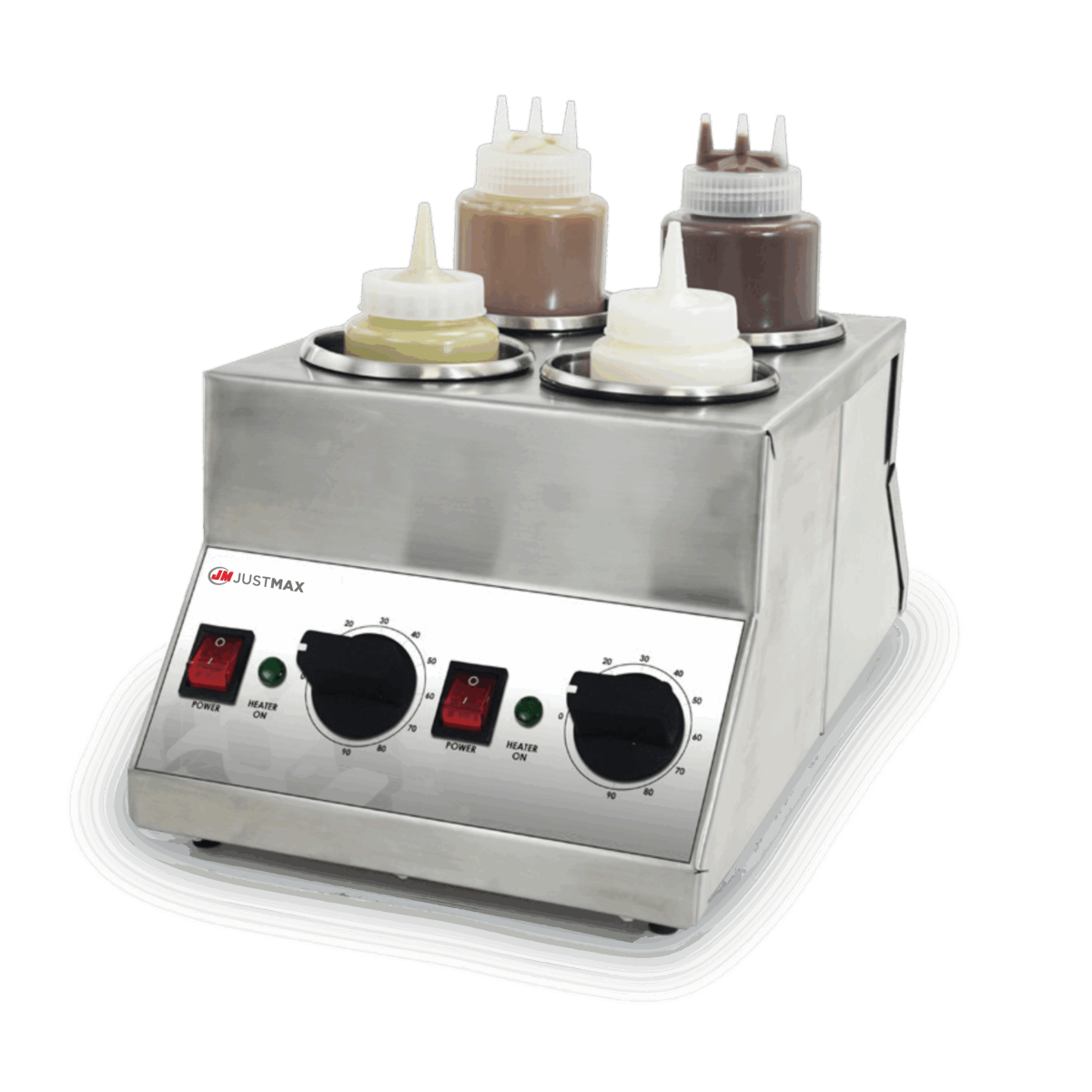
For service, portion control helps maintain consistency and manage costs effectively. Using portion pumps or standardized scoops ensures every customer receives the same amount, supporting both quality control and profitability. Warm hazelnut spread slightly if needed for drizzling applications, but avoid overheating which can affect flavor. Clean utensils prevent cross-contamination and maintain the spread’s quality throughout service periods.

Staff training on proper handling techniques pays dividends in customer satisfaction. Teach kitchen and service staff how to plate hazelnut spread attractively, whether spreading directly on warm items or presenting it in small side containers for customer application. Consider visual presentation techniques that showcase the spread’s rich color and smooth texture. These small touches elevate the perceived value of menu items featuring hazelnut spread.

Conclusion

Hazelnut spread has earned its place as a customer favorite for waffle and pancake menus through its distinctive flavor, versatile applications, and broad appeal. Foodservice operators who incorporate quality hazelnut spread into their offerings often see increased customer satisfaction and repeat visits. The spread’s ability to transform simple breakfast items into memorable dishes makes it a valuable addition to any café or restaurant menu. By understanding proper storage, creative applications, and customer preferences, businesses can maximize the benefits of offering hazelnut spread. Ready to elevate your menu with premium spreads and equipment? Explore Just Max’s comprehensive range of catering equipment and supplies designed specifically for professional kitchens across India.

Frequently Asked Questions

What makes hazelnut spread different from regular chocolate spreads?

Hazelnut spread combines roasted hazelnuts with cocoa, creating a distinctive nutty-chocolate flavor profile. Unlike pure chocolate spreads, it offers more complexity and depth, with the natural sweetness of hazelnuts balancing the richness of chocolate for a unique taste experience. For more spread options, check our milk chocolate spread guide.

Can hazelnut spread work well for both breakfast and dessert menus?

Absolutely. Hazelnut spread’s versatility makes it suitable for breakfast waffles and pancakes as well as dessert applications like crepes and pastries. Its balanced sweetness and rich texture complement various menu items throughout the day, offering cafés flexibility in menu planning and presentation.

How should commercial kitchens store opened hazelnut spread containers?

Store opened hazelnut spread in cool, dry conditions away from heat sources to maintain optimal texture. While room temperature works best for service, refrigeration extends shelf life. Always seal containers tightly between uses and follow manufacturer guidelines for maximum freshness and quality in commercial settings.

What portion size of hazelnut spread works best for waffle toppings?

Typical portion sizes range from one to two tablespoons per waffle or pancake serving, depending on presentation style. Using portion pumps or standardized scoops helps maintain consistency across orders. This approach ensures quality control while managing ingredient costs effectively in professional kitchen environments.

Does hazelnut spread pair well with other waffle and pancake toppings?

Hazelnut spread pairs beautifully with fresh fruits like strawberries, bananas, and oranges. It also complements whipped cream, crushed nuts, and even ice cream for dessert applications. These combinations create visually appealing presentations while enhancing the overall flavor profile of your waffle offerings.

Why do customers prefer hazelnut spread over traditional maple syrup?

Customers seeking richer, more indulgent breakfast experiences often choose hazelnut spread for its creamy texture and complex flavor profile. While maple syrup offers classic sweetness, hazelnut spread provides depth with its nutty-chocolate combination that feels more substantial and satisfying. Visit our waffle premix selection for complementary products.

Can hazelnut spread maintain its quality during busy service periods?

Quality hazelnut spreads designed for commercial use maintain consistent texture and flavor throughout service. Proper storage at appropriate temperatures and using clean utensils prevents quality degradation. Professional-grade products specifically formulated for foodservice operations perform reliably even during peak hours in busy café environments.

How can cafés differentiate their menu using hazelnut spread?

Create signature dishes like hazelnut-filled pancake stacks, artistic waffle drizzles, or specialty dessert crepes. Combining hazelnut spread with unique ingredients or presentation styles helps establish distinctive menu items. These creative applications position your café as innovative while leveraging the spread’s universal appeal. Learn more about signature waffle recipes for inspiration.

Categories
Uncategorized

Why Waffle Mix Consistency Matters More Than Toppings

Introduction

Every commercial kitchen operator knows the allure of premium toppings. Fresh berries, artisan chocolate drizzles, and gourmet spreads certainly catch customer attention. However, waffle mix consistency remains the foundation that determines whether those beautiful toppings sit atop a masterpiece or a disappointment. Without proper batter texture and uniformity, even the finest ingredients cannot rescue a poorly executed waffle.

This blog explores why professional caterers and foodservice operators should prioritize waffle and pancake premix quality over elaborate garnishes. You will learn practical waffle mix tips that transform ordinary breakfast service into a profitable menu highlight.

Key Takeaways

  • Waffle mix consistency directly impacts texture, appearance, and customer satisfaction more than premium toppings ever could. Inconsistent batter leads to uneven cooking, soggy centers, and customer complaints.
  • Quality waffle mix suppliers India provide commercial-grade premixes formulated for uniform hydration, making it easier to achieve consistent results across high-volume operations.
  • Following proper mixing ratios and techniques reduces waste, improves profit margins, and builds repeat customer loyalty through reliable waffle quality every single time.

The Science Behind Perfect Waffle Texture

Understanding batter chemistry helps operators appreciate why waffle mix consistency trumps decorative additions. The interplay between flour proteins, leavening agents, and liquid ratios creates the distinctive crispy exterior and fluffy interior customers expect.

When commercial kitchens use properly formulated premixes, gluten development occurs predictably during mixing. This protein network traps carbon dioxide from leavening agents, creating those characteristic air pockets. Inconsistent mixing produces irregular gluten distribution. Some sections become tough and chewy while others remain dense and gummy. Temperature also plays a crucial role. Batter that sits too long loses its leavening power, resulting in flat, lifeless waffles. Professional operators understand that Belgian waffle premix formulations are engineered specifically to maintain stability during busy service periods, giving kitchen staff valuable flexibility.

Why Toppings Cannot Compensate for Poor Batter Quality

Many operators mistakenly believe that generous toppings mask inferior waffle quality. Customer perception research consistently disproves this assumption. Diners immediately notice textural problems regardless of what adorns the plate.

Consider the structural reality: a soggy waffle cannot support heavy toppings without collapsing into an unappetizing mess. Customers photograph their food before eating. A beautiful topping arrangement on a misshapen, pale waffle generates negative reviews rather than social media engagement. The visual appeal depends entirely on achieving proper waffle mix consistency first. Furthermore, premium toppings represent significant ingredient costs. Wasting expensive chocolate spreads and fresh fruits on substandard waffles directly erodes profit margins. Smart operators invest in quality commercial waffle mix to ensure every topping investment delivers maximum return.

Essential Waffle Mix Tips for Commercial Operations

Achieving reliable waffle quality requires systematic approaches rather than guesswork. These proven techniques help foodservice professionals maintain consistent results throughout demanding service periods.

Measure precisely every time. Commercial success depends on repeatability. Use calibrated measuring tools and train staff on exact ratios. Most quality waffle mix suppliers India recommend specific water-to-powder ratios optimized for their formulations. Deviating from these guidelines produces unpredictable outcomes.

Control mixing duration carefully. Over-mixing develops excessive gluten, creating tough, chewy textures. Under-mixing leaves dry pockets and lumpy batter. The ideal approach involves mixing until just combined, with small lumps remaining. These lumps disappear during cooking without overdeveloping the batter.

Monitor batter temperature consistently. Cold batter takes longer to cook and may not rise properly. Excessively warm batter begins chemical reactions prematurely, losing leavening power before reaching the iron. Room temperature ingredients mixed fresh produce optimal results.

Rest batter appropriately. A brief resting period allows flour to fully hydrate and gluten to relax. However, extended resting degrades leavening performance. Most commercial premixes perform best when used within 30 minutes of mixing.

How Equipment Affects Waffle Mix Consistency Results

Even perfect batter fails without proper equipment maintenance and operation. Commercial waffle machines require attention to deliver consistent results that match your quality ingredients.

Iron temperature directly affects final texture and appearance. Insufficient heat produces pale, soggy waffles lacking crispness. Excessive temperature burns exteriors before interiors cook through. Digital temperature controls on modern commercial waffle machines eliminate guesswork and ensure uniform cooking.

Plate conditioning matters significantly. Properly seasoned waffle iron surfaces release finished waffles cleanly without tearing. New plates require conditioning cycles before production use. Damaged or worn plates create sticking problems that destroy perfectly prepared batter.

Batter dispensing consistency affects portion control and cooking uniformity. Operators using ladles or pitchers often distribute uneven amounts, creating waffles of varying thickness. Consistent portioning ensures reliable cooking times and predictable results across every order.

Building Customer Loyalty Through Quality Fundamentals

Restaurant operators often chase trendy toppings and elaborate presentations while neglecting foundational excellence. This approach backfires over time as customers recognize inconsistency.

Regular customers develop expectations based on their best experiences. When waffle quality varies significantly between visits, trust erodes. No amount of creative toppings compensates for the disappointment of receiving an inferior product. Conversely, establishments known for consistently excellent waffles build powerful reputations. Word-of-mouth recommendations specifically mention texture and taste quality rather than topping variety.

The most successful waffle-focused operations prioritize sourcing from reliable premix suppliers and training staff thoroughly on preparation techniques. These fundamentals create a platform for creative topping variations that enhance rather than disguise the core product.

Cost Analysis: Consistency Versus Compensation

Financial considerations strongly favor investing in waffle mix consistency over premium toppings as a strategy for improving customer satisfaction.

Calculate the true cost of inconsistency: rejected waffles sent back to the kitchen waste both ingredients and labor. Customer complaints require management attention and potential discounts. Negative reviews impact future business through reduced customer acquisition.

Quality commercial premixes cost marginally more than budget alternatives but deliver dramatically better consistency. This small additional investment per serving generates significant returns through reduced waste, faster ticket times, and higher customer satisfaction scores.

Premium toppings represent variable costs that compound quickly. A generous chocolate drizzle may cost more than the waffle itself. When applied to poorly made waffles, this investment generates zero return. When applied to perfectly consistent waffles, the same topping investment creates memorable experiences worth premium pricing.

Conclusion

The pursuit of Instagram-worthy presentations often distracts operators from the fundamentals that truly drive success. Waffle mix consistency creates the foundation upon which all creative expression builds. Without proper batter preparation, equipment maintenance, and quality ingredients, even elaborate toppings cannot deliver customer satisfaction.

Commercial kitchens achieve sustainable success by mastering consistency first. This means sourcing quality waffle mix from established suppliers, training staff on proper preparation techniques, and maintaining equipment to exacting standards. Once these fundamentals become routine, creative topping innovations enhance an already excellent product.

Invest in the foundation before decorating the surface. Your customers will taste the difference, and your profit margins will reflect the wisdom of prioritizing waffle quality over superficial additions.

Ready to elevate your waffle program with commercial-grade consistency? Explore Just Max’s complete range of waffle solutions designed specifically for professional foodservice operations.

1. What does waffle mix consistency mean in commercial kitchens?

Waffle mix consistency refers to achieving uniform batter texture, thickness, and hydration every time you prepare a batch. Proper consistency ensures predictable cooking results, even browning, and identical waffle quality across all servings during high-volume foodservice operations.

2. How do I know if my waffle batter has the right consistency?

Ideal waffle batter flows smoothly but holds its shape briefly when poured. It should coat a spoon without dripping too quickly. Small lumps are acceptable. If batter is too thick or runny, adjust liquid ratios following your vanilla waffle premix guidelines.

3. Why do my waffles turn out soggy despite using quality toppings?

Soggy waffles result from inconsistent batter preparation, not topping choices. Excessive liquid, insufficient cooking time, or degraded leavening agents cause moisture retention. Focus on achieving proper waffle mix consistency first, as no topping can compensate for fundamental batter preparation errors.

4. What factors affect waffle quality in busy restaurant settings?

Key factors include batter mixing technique, ingredient measurement accuracy, resting time, iron temperature, and portion control. Inconsistent preparation across staff shifts creates variable waffle quality. Using standardized commercial waffle machines with digital controls helps maintain uniform results throughout service periods.

5. Can I fix waffle batter that has become too thick or thin?

Yes, minor adjustments are possible. Add small amounts of liquid to thick batter or sprinkle additional mix into thin batter. Mix gently to avoid overworking gluten. However, significant corrections often produce inferior results. Preparing fresh batter following exact ratios delivers better waffle quality.

6. How do quality waffle mix suppliers India ensure product consistency?

Reputable suppliers use standardized manufacturing processes, quality-controlled ingredients, and precise formulations. They provide detailed preparation instructions optimized for their specific products. Commercial-grade premixes from established suppliers maintain consistent performance across batches, simplifying operations for caterers and restaurant owners.

7. What are the best waffle mix tips for high-volume catering events?

Prepare smaller batches more frequently rather than large quantities that sit idle. Use calibrated measuring tools for every batch. Train all staff on identical preparation techniques. Consider chocolate waffle premix varieties to offer menu diversity without complicating your preparation workflow.

8. Does waffle iron temperature affect batter consistency results?

Absolutely. Iron temperature dramatically impacts how batter cooks regardless of preparation quality. Low temperatures produce pale, soggy waffles while excessive heat burns exteriors before interiors set. Consistent temperature between 175-190°C ensures optimal results from properly prepared batter every time.

9. How long should waffle batter rest before cooking?

Brief resting periods of 5-10 minutes allow flour to hydrate fully and gluten to relax slightly. However, extended resting beyond 30 minutes causes leavening agents to lose effectiveness. Commercial operations benefit from ready-to-use premixes designed for immediate or short-rest preparation workflows.

10. Why is waffle mix consistency more important than expensive toppings?

Consistency determines the foundational eating experience that toppings cannot override. Customers immediately notice textural problems regardless of garnishes. Inconsistent waffles waste premium topping investments and generate negative reviews. Mastering waffle mix consistency first maximizes returns on all subsequent ingredient investments.

Categories
Uncategorized

Ready-to-Use Waffle Mix: Best for High-Volume Outlets

Introduction

Running a high-volume food outlet demands speed, consistency, and cost control. This is exactly where ready-to-use waffle mix becomes a game-changer for commercial kitchens. Whether you operate a busy café, QSR chain, or catering business, preparing waffles from scratch during peak hours is simply impractical. The solution lies in premium waffle and pancake premix formulations designed specifically for commercial operations. In this guide, you will learn how food service waffle mix transforms kitchen efficiency, reduces operational costs, and delivers consistent quality across every batch.

Key Takeaways

  • Ready-to-use waffle mix eliminates ingredient measuring, reducing prep time by up to 70% during rush hours.
  • Bulk waffle mix purchasing lowers per-unit costs significantly for high-volume outlets across India.
  • Commercial-grade premix ensures consistent texture, taste, and appearance across hundreds of servings daily.
  • Food service waffle mix simplifies staff training and minimizes recipe errors in fast-paced kitchens.

The Operational Challenge in High-Volume Waffle Production

High-volume outlets face unique pressures that home kitchens never encounter. During peak breakfast or snack hours, your kitchen must deliver dozens of waffles within minutes while maintaining quality standards.

Traditional scratch preparation requires staff to measure flour, sugar, leavening agents, and other ingredients for every batch. This process introduces variability and consumes valuable time. A single measurement error can ruin an entire batch, wasting ingredients and delaying service.

Consider a QSR outlet serving 200 waffles daily. With scratch preparation, your team spends approximately 45 minutes just on ingredient measuring and mixing. Additionally, ingredient procurement becomes complex when managing multiple components separately. Storage requirements increase, and inventory tracking becomes a logistical challenge.

High-volume waffle mix India solutions address these pain points directly. Pre-measured formulations eliminate guesswork, allowing staff to focus on cooking and customer service rather than recipe preparation. The result is faster throughput and happier customers during your busiest periods.

How Ready-to-Use Waffle Mix Boosts Kitchen Efficiency

Efficiency in commercial kitchens translates directly to profitability. Every minute saved during preparation is a minute available for serving more customers or improving other operational aspects.

Ready-to-use waffle mix streamlines your workflow in several measurable ways. First, the mixing process reduces to a simple two-step procedure—add water or milk, blend briefly, and cook. Staff training becomes straightforward, as even new team members can produce professional-quality waffles within their first shift.

The Belgian waffle and pancake premix options available today are formulated for commercial equipment. They achieve optimal consistency without extended mixing times that can overwork the batter and affect texture.

Kitchen space optimization is another significant benefit. Instead of storing multiple ingredient containers, you maintain inventory of a single premix product. This frees valuable storage space and simplifies your supply chain management. For outlets operating in compact urban locations, this space efficiency can be transformative.

Food service waffle mix also reduces cleaning requirements. Fewer ingredients mean fewer containers, measuring tools, and mixing equipment to wash between batches. In high-volume operations, this cleaning time reduction compounds throughout the day.

Cost Analysis: Bulk Waffle Mix vs. Scratch Preparation

Financial viability drives every business decision in foodservice. Let us examine the true cost comparison between scratch preparation and commercial premix usage.

Bulk waffle mix purchasing offers immediate per-unit savings through economies of scale. When you source ingredients separately, you pay retail or small-wholesale prices for each component. Premium vanilla waffle and pancake premix consolidates these costs into a single, competitively priced product.

Labour cost reduction is often overlooked in this calculation. If your kitchen staff earns ₹200 per hour and spends 45 minutes daily on scratch preparation, that represents ₹150 in daily labour costs—approximately ₹4,500 monthly—just for mixing ingredients. Ready-to-use formulations can reduce this time to under 15 minutes.

Waste reduction provides additional savings. Scratch preparation inevitably produces some failed batches due to measurement errors, ingredient quality variations, or recipe inconsistencies. Commercial premix formulations are tested extensively to minimize failure rates, protecting your ingredient investment.

Here is a practical cost breakdown for a mid-volume outlet:

Cost FactorScratch PreparationReady-to-Use Premix
Ingredient Cost (per 100 waffles)₹800-1,000₹700-850
Labour Time45 minutes12 minutes
Waste Rate5-8%1-2%
Training Time2-3 days2-4 hours

The numbers demonstrate clear advantages for high-volume waffle mix India operations prioritizing profitability.

Consistency and Quality Control in Commercial Operations

Brand reputation in foodservice depends on delivering identical quality with every order. Customers return because they know exactly what to expect from your waffles.

Ready-to-use waffle mix provides batch-to-batch consistency that scratch preparation cannot match. Professional premix manufacturers like Just Max conduct rigorous quality testing on every production run. Ingredient ratios remain precise, leavening performance stays predictable, and flavour profiles stay consistent.

This consistency extends across multiple outlet locations. If you operate a chain of cafés or franchise model, standardized premix ensures customers receive identical waffles regardless of which location they visit. Staff skill variations become less impactful when the foundation product performs reliably.

Quality control also becomes simpler for management. Instead of monitoring multiple ingredient sources and preparation procedures, you verify premix quality from a single supplier. Documentation for food safety compliance simplifies significantly.

Temperature and humidity sensitivity—major concerns with scratch ingredients like baking powder—are addressed in commercial premix formulations. Stabilized ingredients maintain performance across varying storage and kitchen conditions common in Indian climates.

Menu Flexibility with Commercial Premix Options

Modern consumers expect variety. Food service waffle mix options now span multiple flavours and styles, enabling menu diversification without operational complexity.

Beyond classic vanilla, you can offer chocolate brownie waffles, red velvet variations, or Belgian-style options using dedicated premix formulations. Each variant requires no additional ingredient sourcing or recipe development. Simply stock multiple premix varieties and switch between them based on customer demand.

Seasonal limited-time offerings become feasible for high-volume outlets. Introducing a festive red velvet waffle during holiday seasons requires only premix inventory adjustment, not recipe reformulation or staff retraining.

This flexibility extends to pricing strategies. Premium flavour variants can command higher menu prices, improving your profit margins. A chocolate brownie waffle prepared from commercial premix costs marginally more than vanilla but can justify a 15-20% price premium on your menu.

For catering operations, premix variety enables customized menus for different events. Corporate breakfasts might feature classic Belgian waffles, while wedding brunches could showcase premium red velvet options—all produced with identical efficiency and consistency.

Implementation Best Practices for High-Volume Outlets

Transitioning to ready-to-use waffle mix requires some operational adjustments to maximize benefits. Here are proven implementation strategies.

Start with equipment compatibility assessment. Ensure your waffle makers and mixing equipment suit commercial premix viscosity and cooking requirements. Most multi waffle machines designed for foodservice handle premix batters excellently.

Establish proper storage protocols. While premix offers extended shelf life compared to individual ingredients, maintaining cool, dry storage conditions preserves optimal performance. Implement first-in-first-out inventory rotation to ensure freshness.

Train staff on premix-specific techniques. While preparation simplifies significantly, water temperature, mixing duration, and resting time still impact final results. Brief training sessions ensure your team extracts maximum quality from your premix investment.

Monitor customer feedback during the transition period. Most outlets report positive or neutral customer responses when switching to quality commercial premix, but tracking feedback helps you address any concerns promptly.

Conclusion

Ready-to-use waffle mix represents the smart choice for high-volume outlets prioritizing efficiency, consistency, and profitability. From QSR chains to busy cafés and catering operations, commercial premix formulations eliminate the operational challenges of scratch preparation while delivering professional-quality results.

The combination of reduced labour costs, minimized waste, simplified training, and batch-to-batch consistency creates compelling value for foodservice businesses across India. Whether you are launching a new waffle-focused menu or optimizing existing operations, bulk waffle mix solutions provide the foundation for scalable success.

Ready to transform your waffle production efficiency? Explore Just Max’s complete range of waffle and pancake premix options designed specifically for commercial foodservice operations.

Frequently Asked Questions

What is ready-to-use waffle mix?

Ready-to-use waffle mix is a pre-measured dry blend containing flour, leavening agents, sugar, and flavourings. Commercial kitchens simply add water or milk and mix briefly before cooking. This eliminates ingredient measuring and ensures consistent results across every batch.

How does food service waffle mix differ from retail mixes?

Food service waffle mix is formulated for commercial equipment and high-volume production. It offers extended shelf life, larger packaging sizes, and consistent performance under demanding kitchen conditions. Retail mixes suit occasional home use but lack the durability needed for professional operations.

Can bulk waffle mix reduce operational costs for restaurants?

Yes, bulk waffle mix significantly reduces costs through wholesale pricing and minimized labour time. Restaurants save on ingredient procurement, reduce waste from failed batches, and cut preparation time by up to 70%. These savings compound substantially for high-volume waffle operations.

What flavour options are available in commercial waffle premix?

Commercial waffle premix comes in multiple flavours including classic vanilla, rich chocolate brownie, and trendy red velvet variants. This variety enables menu diversification without requiring separate ingredient inventories or recipe development for each flavour option.

How long can you store ready-to-use waffle mix?

Properly stored in cool, dry conditions, ready-to-use waffle mix maintains optimal quality for 6-12 months. Commercial formulations include stabilizers that preserve leavening performance and flavour integrity longer than scratch ingredients stored separately would last.

Is high-volume waffle mix India suitable for different waffle styles?

Absolutely. High-volume waffle mix India products work excellently for Belgian waffles, American-style waffles, bubble waffles, and waffle sticks. The versatile formulation adapts to various waffle machine plates and cooking styles popular across Indian foodservice outlets.

What equipment works best with commercial waffle premix?

Commercial multi-plate waffle machines with consistent temperature control deliver best results with premix batters. Look for equipment offering interchangeable plates, rapid heat recovery, and durable construction. Quality machines paired with premium premix ensure reliable output during peak service hours.

How much water should be added to waffle premix?

Standard mixing ratios typically require 1.2-1.5 parts water per 1 part premix by weight. However, always follow manufacturer specifications for optimal results. Water temperature between 15-20°C generally produces the best batter consistency and final waffle texture.

Can ready-to-use waffle mix work for catering businesses?

Ready-to-use waffle mix is ideal for catering operations requiring portable, consistent food production. Caterers benefit from simplified logistics, reduced on-site preparation time, and reliable quality across different event locations. Explore premium red velvet options for special occasions.

Does premix waffle quality match scratch-made waffles?

Premium commercial premix delivers quality matching or exceeding scratch preparation. Professional-grade ingredients, precise formulation, and rigorous testing ensure consistent texture, golden colour, and authentic taste. Most customers cannot distinguish between quality premix and traditional scratch-made waffles.

Categories
Uncategorized

5 Sweet & Savory Uses for Dark Chocolate Spread in Professional Kitchens

Introduction

Dark chocolate spread uses extend far beyond simple dessert toppings in today’s competitive foodservice landscape. Professional kitchens across India are discovering innovative ways to incorporate this versatile ingredient into both sweet and savory applications, creating memorable dining experiences that command premium pricing.

From upscale cafés to high-volume catering operations, dark chocolate spread has become an essential pantry staple. Its rich, intense flavor profile pairs beautifully with fruits, pastries, and surprisingly, savory proteins. This guide explores five profitable applications that will transform your menu offerings and boost customer satisfaction.

Key Takeaways

  • Dark chocolate spread delivers higher profit margins than traditional chocolate sauces due to its concentrated flavor and portion control advantages.
  • Sweet and savory chocolate applications are trending in gourmet establishments, allowing restaurants to differentiate their menus.
  • Commercial kitchen ideas using dark chocolate spread reduce preparation time while maintaining consistent quality across service periods.
  • Proper storage and application techniques maximize product shelf life and minimize waste in busy foodservice operations.

1. Gourmet Dessert Plating and Finishing

Dark chocolate spread transforms ordinary desserts into Instagram-worthy presentations that justify premium pricing in professional kitchens.

Creating visually stunning dessert plates requires both technical skill and quality ingredients. Dark chocolate spread offers the perfect consistency for decorative swooshes, dots, and intricate patterns that hold their shape throughout service. Unlike melted chocolate that requires constant temperature management, spreads maintain workable consistency at room temperature, reducing kitchen stress during peak hours.

Professional pastry chefs recommend warming the spread slightly for smoother application. Use offset spatulas for dramatic swooshes or squeeze bottles for precise dotting. The deep, glossy finish of quality dark chocolate spread photographs beautifully, encouraging social media sharing that drives organic marketing for your establishment. Pair with fresh berries, edible flowers, or gold leaf for elevated presentations that command prices 30-40% higher than standard plated desserts.

Consider incorporating Belgian waffle and pancake premix as your base for creating signature dessert waffles with dark chocolate spread finishing. This combination delivers consistent results across multiple service staff with minimal training requirements.

2. Breakfast and Brunch Menu Applications

Morning service presents lucrative opportunities for dark chocolate spread recipes that attract health-conscious customers seeking indulgent yet balanced options.

Brunch culture continues expanding across Indian metros, with customers willing to pay premium prices for creative breakfast offerings. Dark chocolate spread provides the perfect bridge between indulgence and perceived healthfulness, as dark chocolate contains antioxidants and lower sugar content than milk chocolate alternatives. This positioning allows menu copywriters to highlight benefits while delivering satisfying flavor experiences.

Successful commercial kitchen ideas for breakfast service include dark chocolate spread-stuffed French toast, chocolate-drizzled açai bowls, and artisan toast boards featuring multiple spread varieties. The key lies in portion control and complementary pairings. A 15-gram serving of dark chocolate spread paired with fresh banana slices and granola creates a visually impressive dish with food costs under 25%.

Training kitchen staff on proper portioning prevents over-application that erodes margins. Use dedicated squeeze bottles with measured openings to ensure consistency across all service staff. Morning prep should include filling and staging these bottles for efficient service flow during busy brunch rushes.

3. Savory Applications and Mole-Inspired Dishes

Sweet and savory chocolate combinations represent one of the most exciting trends in contemporary Indian restaurant kitchens.

Mexican mole sauce has long demonstrated that chocolate enhances savory dishes, and Indian chefs are adapting this principle for local palates. Dark chocolate spread provides a convenient starting point for creating complex sauces that pair beautifully with grilled meats, roasted vegetables, and even traditional Indian preparations. The bitter notes in quality dark chocolate complement spices like cumin, coriander, and chili, creating depth that single-note sauces cannot achieve.

Practical applications include dark chocolate-balsamic glazes for lamb chops, chocolate-coffee rubs for tandoori preparations, and chocolate-enriched gravies that add mystery and sophistication to familiar dishes. Start by incorporating small amounts—approximately one tablespoon per four servings—and adjust based on customer feedback.

The margin advantages are significant. A chocolate-enhanced signature sauce costs marginally more than standard preparations but supports menu prices 20-30% higher. Customers perceive these dishes as chef-driven creations worth the premium, improving both revenue and kitchen reputation.

4. Beverage Program Integration

Gourmet chocolate spread India establishments are discovering profitable applications in specialty coffee and dessert beverage programs.

Hot chocolate remains one of the highest-margin menu items in café operations, and dark chocolate spread elevates this classic to artisan status. Unlike cocoa powder preparations that require careful mixing to prevent clumping, spread-based hot chocolates achieve smooth, velvety textures with minimal technique. Simply blend warmed spread with steamed milk for consistent results every time.

Beyond traditional hot chocolate, consider dark chocolate spread mochas, chocolate-swirled milkshakes, and affogato variations featuring spread-topped ice cream with espresso. Each application commands premium pricing while utilizing ingredients with excellent shelf stability. Unlike fresh cream or fruit-based beverages, chocolate spread drinks maintain quality even during slower service periods.

The crepe maker station offers additional beverage pairing opportunities. Chocolate crepes served alongside specialty coffee drinks create natural upselling opportunities that increase average ticket values by 40-60%.

Staff training should emphasize cross-selling these combinations during order taking. Simple suggestive selling scripts like “Would you like to try our signature dark chocolate crepe with your latte?” convert consistently when staff deliver them naturally.

5. Catering and Event Service Applications

Large-scale catering operations benefit enormously from dark chocolate spread’s stability, portioning control, and crowd-pleasing appeal.

Event catering demands ingredients that perform consistently across extended service windows, varying temperatures, and high-volume production requirements. Dark chocolate spread meets all these criteria while delivering the sophisticated presentation that corporate and social event clients expect. Unlike chocolate fountains that require constant monitoring and temperature management, spread-based stations allow guests to self-serve without mess or waste.

Successful catering applications include dessert stations featuring spread alongside fresh fruits and dipping items, build-your-own crepe bars, and plated dessert courses with pre-portioned spread decorations. The multi waffle machine pairs excellently with chocolate spread stations, allowing caterers to offer live cooking experiences that engage guests while maintaining kitchen efficiency.

Cost management becomes straightforward when using spreads rather than melted chocolate. Portion cups can be pre-filled during prep time, ensuring consistent serving sizes and accurate food cost calculations. Leftover spread returns to refrigerated storage without quality degradation, unlike chocolate that has been tempered and re-solidified multiple times.

For outdoor events, dark chocolate spread maintains quality in conditions that would cause traditional chocolate preparations to bloom, melt, or seize. This reliability reduces on-site stress and ensures consistent guest experiences regardless of venue conditions.

Conclusion

Dark chocolate spread uses in professional kitchens span far beyond traditional dessert applications. From elevated breakfast offerings to innovative savory preparations, this versatile ingredient delivers consistent quality, simplified operations, and improved profit margins across diverse foodservice concepts.

The five applications outlined—gourmet dessert plating, breakfast menu integration, savory mole-inspired dishes, beverage program enhancement, and catering service—represent proven strategies that Indian restaurants and catering operations are implementing successfully. Each approach leverages dark chocolate spread’s unique advantages: room-temperature stability, portion control capability, and premium flavor profile that customers recognize and appreciate.

Ready to explore how dark chocolate spread can transform your menu offerings? Visit the Just Max shop to discover professional-grade spreads and equipment designed specifically for commercial kitchen success.

Frequently Asked Questions

 What are the best dark chocolate spread uses in commercial kitchens?

Dark chocolate spread uses in commercial kitchens include dessert plating, breakfast toppings, beverage enhancement, and savory sauce creation. Professional chefs value its room-temperature stability and portion control advantages. It pairs excellently with waffles, crepes, fresh fruits, and grilled proteins for diverse menu applications.

How do you store dark chocolate spread for commercial food service?

Store dark chocolate spread in cool, dry conditions away from direct sunlight. Unopened containers last 12-18 months, while opened spreads remain fresh for 6-8 months when refrigerated. Transfer to squeeze bottles for service and return unused portions to cold storage after each shift.

Can dark chocolate spread be used in savory dishes?

Yes, sweet and savory chocolate combinations create sophisticated flavor profiles. Dark chocolate spread enhances mole-inspired sauces, balsamic glazes for meats, and coffee-chocolate rubs for tandoori preparations. The bitter cocoa notes complement spices like cumin and chili, adding depth to savory menu items.

What equipment works best with dark chocolate spread in restaurants?

Professional kitchens benefit from chocolate dispensers and dipping stations for efficient spread application. Squeeze bottles with measured openings ensure portion control. Bottle warmers maintain optimal spreading consistency during service without overheating or separating the product.

 How does dark chocolate spread compare to melted chocolate for professionals?

Dark chocolate spread offers superior convenience over melted chocolate for most applications. It maintains consistent texture without tempering, works at room temperature, and stores easily between services. However, melted couverture remains preferred for molded chocolates and structural confectionery requiring specific crystallization.

What are profitable dark chocolate spread recipes for cafés?

Profitable dark chocolate spread recipes include signature hot chocolates, chocolate-drizzled waffles, stuffed French toast, and artisan toast boards. These items deliver 60-70% margins when portioned correctly. Explore decadent dark chocolate spread recipes for additional commercial kitchen ideas that boost average ticket values.

Is gourmet chocolate spread suitable for large catering events?

Gourmet chocolate spread India caterers prefer spread-based stations over chocolate fountains for large events. Spreads maintain quality across extended service windows, require no temperature monitoring, and allow pre-portioned setup. Leftover product stores without quality loss, reducing waste and improving event profitability significantly.

How much dark chocolate spread should restaurants use per serving?

Professional kitchens recommend 15-25 grams per dessert serving for optimal flavor and visual impact. This portion maintains chocolate component food costs between 8-12% while delivering customer satisfaction. Use calibrated squeeze bottles or portion cups to ensure consistency across all service staff.

What flavors pair well with dark chocolate spread in professional menus?

Dark chocolate spread pairs excellently with berries, bananas, citrus fruits, coffee, caramel, and nuts. For savory applications, it complements lamb, duck, and spiced proteins. Consider pairing with hazelnut spread or milk chocolate spread for variety boards offering multiple flavor profiles.

How can small restaurants maximize dark chocolate spread profitability?

Small restaurants maximize profitability by featuring dark chocolate spread across multiple menu categories—breakfast, desserts, and beverages. Cross-utilize the same product for various applications to reduce inventory complexity. Train staff on suggestive selling techniques and create signature items that justify premium pricing.

Categories
Uncategorized

Signature Waffle Recipes Using Flavoured Mix & Chocolate Spread

Introduction

In India’s competitive foodservice market, creating memorable waffle offerings requires more than basic recipes. A high-quality flavoured waffle mix combined with premium chocolate spreads can transform ordinary waffles into signature menu items that customers remember. For caterers, restaurants, and food truck operators, mastering these combinations means higher profit margins and stronger brand identity.

This guide explores professional techniques for developing signature waffle recipes India businesses can use to stand out. You’ll learn how to pair different flavoured mixes with chocolate spreads, create visually stunning presentations, and build a menu that drives repeat customers.

Key Takeaways

  • Flavoured waffle mix varieties like chocolate, red velvet, and vanilla offer distinct base profiles for signature creations
  • Strategic pairing of waffle flavours with complementary chocolate spreads maximizes taste appeal and profit margins
  • Professional plating techniques and topping combinations create Instagram-worthy dishes that attract new customers
  • Consistent preparation methods using commercial-grade equipment ensure quality across high-volume service

Why Flavoured Waffle Mix Matters for Commercial Kitchens

Using flavoured waffle mix instead of plain batter gives foodservice operators a significant competitive advantage. Pre-formulated mixes deliver consistent results batch after batch, reducing training time and minimizing waste from failed preparations.

For busy commercial kitchens, consistency is everything. When you serve 200 waffles during a weekend brunch rush, each one must taste identical to maintain your reputation. Flavoured premixes from reliable suppliers ensure this uniformity while adding distinctive taste profiles that plain batter simply cannot match. Options like Belgian waffle chocolate premix provide rich, brownie-like bases that pair exceptionally well with various toppings. The time savings alone justify the investment, as staff spend less time measuring ingredients and more time serving customers.

Top Flavoured Waffle Mix Varieties for Signature Recipes

Selecting the right flavoured waffle mix forms the foundation of any signature creation. Each variety brings unique characteristics that influence pairing decisions and final presentation.

Chocolate and Brownie Waffle Mix

Chocolate-based mixes create deep, indulgent waffles perfect for dessert menus. The rich cocoa profile pairs naturally with milk chocolate, dark chocolate, and even white chocolate spreads. These waffles work exceptionally well for evening service or dedicated dessert stations at events.

Red Velvet Waffle Mix

The red velvet waffle premix has become increasingly popular for signature waffle recipes India audiences love. The subtle cocoa flavour combined with striking crimson colour creates visually dramatic presentations. Cream cheese frosting or white chocolate spread enhances both aesthetics and taste.

Vanilla Belgian Waffle Mix

Classic vanilla remains the most versatile option for commercial operations. Its neutral sweetness complements virtually any chocolate spread variety and supports both savoury and sweet topping combinations. For operations just starting their waffle programme, vanilla provides the safest entry point with maximum menu flexibility.

Creating Winning Waffle Recipes With Chocolate Spread

Mastering waffle recipes with chocolate spread requires understanding how different spread types interact with various waffle bases. The goal is achieving flavour harmony rather than overwhelming sweetness.

Milk Chocolate Spread Pairings

Milk chocolate spread offers the most universally appealing flavour profile. Its creamy sweetness works beautifully with vanilla and red velvet bases. For commercial service, the milk choco spread maintains excellent spreadability at room temperature, reducing prep time during busy periods. Consider topping with sliced bananas, strawberries, or crushed nuts for texture contrast.

Dark Chocolate Spread Applications

Dark chocolate spreads appeal to sophisticated palates seeking less sweetness. The dark chocolate spread pairs excellently with chocolate waffle bases for double-chocolate indulgence. Orange zest, espresso powder, or sea salt flakes can elevate these creations into premium menu items commanding higher prices.

White Chocolate and Specialty Spreads

White chocolate spread creates elegant contrast when drizzled over chocolate or red velvet waffles. For truly distinctive offerings, pistachio or hazelnut spreads provide unique flavour profiles that differentiate your menu from competitors. These specialty options work particularly well for catering events where premium positioning justifies higher price points.

Professional Presentation Techniques

Creating signature waffle recipes India customers photograph and share requires attention to visual presentation. Social media visibility drives significant traffic for modern foodservice businesses.

A structured plating approach ensures consistency across all servings. Start with a warm waffle base positioned slightly off-centre on the plate. Apply chocolate spread using a squeeze bottle for controlled, artistic patterns. Layer fresh fruits in odd-numbered groupings, as this creates more visually appealing arrangements. Finish with a light dusting of powdered sugar or cocoa powder for professional polish.

Temperature management significantly impacts presentation quality. Warm spreads flow more attractively than cold ones, while fruits should remain chilled for optimal freshness. Using proper bottle warmers keeps chocolate spreads at ideal consistency throughout service periods.

Menu Engineering for Maximum Profitability

Strategic menu design transforms waffle recipes with chocolate spread from simple offerings into profit centres. Understanding food costs and pricing psychology helps operators maximize returns.

Consider creating a tiered waffle menu with good-better-best options. A basic waffle with single spread serves as an entry point. Mid-tier options add premium toppings like fresh berries or specialty spreads. Signature creations featuring multiple components and elaborate presentation command premium prices while showcasing kitchen capabilities.

Batch preparation of components during slow periods improves service speed during rushes. Pre-portioned toppings, ready-to-use spread bottles, and pre-cut garnishes reduce ticket times and increase table turnover. Calculate food costs carefully, aiming for 25-30% on signature items to maintain healthy margins while delivering perceived value.

Equipment Essentials for Consistent Quality

Producing quality flavoured waffle mix creations at commercial volumes requires appropriate equipment investment. Reliable machines ensure consistent results while handling peak demand periods.

Commercial waffle makers with interchangeable plates offer menu flexibility without requiring multiple machines. Quality units maintain even heat distribution, preventing the uneven cooking that disappoints customers. Consider machines offering multiple plate options, allowing you to produce classic Belgian waffles, bubble waffles, or waffle sticks from the same unit.

Beyond waffle makers, proper supplies and spreads storage equipment maintains product quality. Chocolate spreads require consistent temperatures for optimal texture. Dedicated warming stations prevent the inconsistency that occurs when spreads are repeatedly heated and cooled throughout service.

Scaling Recipes for Different Service Formats

Adapting signature waffle recipes India operations use requires understanding different service contexts. What works for a sit-down restaurant differs from food truck or catering requirements.

For high-volume catering events, pre-made waffle stations with self-service toppings maximize output while minimizing labour costs. Guests enjoy customization while staff focus on waffle production. Food trucks benefit from limited but distinctive offerings, perhaps featuring just three signature combinations prepared quickly and consistently.

Restaurant service allows more elaborate preparation and plating. Here, made-to-order waffles with tableside finishing create experiences that justify premium pricing. The key is matching preparation complexity with service format and customer expectations.

Conclusion

Building a successful waffle programme around flavoured waffle mix and quality chocolate spreads requires thoughtful planning and consistent execution. From selecting appropriate premix varieties to mastering presentation techniques, each element contributes to customer satisfaction and business profitability.

The growing demand for signature waffle recipes India businesses offer creates genuine opportunities for operators willing to invest in quality ingredients and proper techniques. By pairing premium waffle and pancake mix with complementary spreads and toppings, foodservice professionals can build menu items that drive traffic and generate healthy margins.

Start experimenting with different flavour combinations today. Your signature creation could become the item customers specifically visit your establishment to enjoy.

Frequently Asked Questions

What is flavoured waffle mix and how is it different from regular batter?

Flavoured waffle mix is a pre-formulated blend containing flour, leavening agents, and flavour compounds like chocolate, vanilla, or red velvet. Unlike plain batter requiring separate flavouring, these premixes deliver consistent taste profiles with minimal preparation effort.

 Which flavoured waffle mix varieties are most popular in India?

Chocolate brownie, red velvet, and vanilla Belgian varieties dominate the Indian market. Commercial kitchens prefer these options because they appeal to diverse customer preferences while offering excellent versatility for creating signature waffle recipes India food businesses need.

How do I choose the right chocolate spread for waffles?

Select chocolate spreads based on your waffle base flavour. Milk chocolate pairs well with vanilla waffles, while dark chocolate complements chocolate bases. Consider hazelnut spread for nutty undertones that create distinctive waffle recipes with chocolate spread combinations.

Can I use flavoured waffle mix for both sweet and savoury recipes?

Yes, vanilla-based flavoured waffle mix works excellently for savoury applications. Reduce sugar toppings and pair with cheese, eggs, or grilled vegetables. Chocolate and red velvet mixes suit dessert-focused menus better due to their inherently sweet profiles.

What equipment do I need to make signature waffles commercially?

Commercial waffle production requires reliable multi waffle machines with consistent heat distribution, interchangeable plates for variety, spread warmers for optimal chocolate consistency, and proper storage containers for premixes and toppings.

How long does flavoured waffle mix last after opening?

Properly stored flavoured waffle mix remains fresh for 3-6 months after opening. Keep it in airtight containers away from moisture and direct sunlight. Commercial operations should rotate stock using first-in-first-out methods to maintain optimal quality.

What toppings complement signature waffle recipes India customers prefer?

Indian customers enjoy fresh fruits like mangoes and strawberries, chocolate drizzles, whipped cream, and crushed nuts. Premium options include pistachio spread, caramelized bananas, and ice cream scoops that justify higher menu pricing.

How do I create Instagram-worthy waffle presentations?

Focus on colour contrast, layered heights, and strategic garnishing. Use squeeze bottles for controlled chocolate spread patterns. Add fresh fruits in odd-numbered groupings and finish with powdered sugar dusting. Consistent waffle plate shapes enhance visual appeal.

Are flavoured waffle mixes suitable for food trucks and small businesses?

Absolutely. Flavoured waffle mix reduces preparation complexity, minimizes ingredient storage needs, and ensures consistent quality across batches. Small operators benefit from faster service times and reduced training requirements while still offering distinctive menu items.

What is the ideal batter consistency for flavoured waffle mix?

Mix flavoured waffle batter until smooth with slight lumps remaining. Overmixing develops gluten, creating tough waffles. The ideal consistency resembles thick pancake batter. Let batter rest 5 minutes before cooking for Belgian-style waffles with perfect texture.

Categories
Uncategorized

Commercial Chocolate Spread for Waffles and Crepes

Introduction

Commercial chocolate spread has become an essential ingredient for restaurants, cafes, and catering businesses looking to elevate their waffle and crepe offerings. Unlike retail spreads, restaurant chocolate spread is formulated for high-volume operations, offering consistent quality, better shelf stability, and superior cost-per-serving economics. As breakfast and dessert menus expand to meet customer demands, choosing the right commercial chocolate spread can significantly impact your profit margins and menu creativity. This guide explores everything foodservice professionals need to know about selecting, using, and profiting from premium chocolate spreads.

Key Takeaways

  • Commercial chocolate spread delivers 35-45% gross margins on waffles and crepes when portioned correctly
  • Restaurant-grade spreads offer superior consistency and shelf life compared to retail alternatives
  • Premium spreads like hazelnut, dark chocolate, and pistachio varieties can justify 20-30% higher menu pricing
  • Proper storage and dispensing equipment reduces waste and improves operational efficiency

Why Commercial Chocolate Spread Outperforms Retail Options

Commercial chocolate spread is specifically engineered for foodservice environments, offering distinct advantages over consumer-grade products. Restaurant operators face unique challenges that retail spreads simply weren’t designed to address.

Professional-grade spreads maintain consistent texture across temperature fluctuations, a critical factor in busy kitchens where products may sit at room temperature during service hours. They’re formulated with higher cocoa butter content, which prevents separation and ensures smooth spreading even during peak service. Most commercial varieties come in larger containers (1kg to 5kg), reducing packaging waste and lowering per-unit costs by 25-40% compared to retail sizes.

The viscosity of commercial spreads is optimized for various application methods. Whether you’re using squeeze bottles, chocolate filling pumps, or spreading manually, professional products deliver uniform coverage without tearing delicate crepe surfaces. This consistency directly translates to better plate presentation and reduced food waste. For establishments serving 50+ desserts daily, Belgian waffle and pancake premixes paired with quality spreads create a streamlined production system that maintains standards during rush periods.

Calculating Profit Margins on Chocolate-Topped Items

Understanding the economics of commercial chocolate spread is essential for menu engineering and pricing strategy. A typical 1kg container of premium restaurant chocolate spread costs between ₹800-1,200 and yields approximately 65-80 servings at standard 12-15g portions.

Let’s break down the numbers: If you purchase milk chocolate spread at ₹950 per kilogram and use 12g per waffle, your spread cost per serving is approximately ₹11.40. For a Belgian waffle priced at ₹180, adding chocolate spread increases your ingredient cost by ₹11.40, but allows you to charge ₹220-240. This represents a contribution margin of ₹40-60 per item—a 22-33% revenue increase.

The mathematics become even more compelling with specialty spreads. Premium options like pistachio spread or dark chocolate spread cost ₹1,200-1,500 per kilogram but command 25-35% price premiums. A pistachio-topped crepe might cost ₹15 in spread but sell for ₹280 versus ₹220 for a basic item. Smart portioning with dispensers or squeeze bottles ensures you hit target costs while maintaining generous perceived value.

Menu Applications Beyond Basic Toppings

Commercial chocolate spread versatility extends far beyond simple waffle toppings, opening multiple revenue streams for creative operators. Progressive foodservice businesses leverage these products across breakfast, dessert, and even beverage programs.

Start by developing signature items that differentiate your menu. Create “chocolate stuffed waffles” using stuffed waffle plates where spread is sealed inside the batter before cooking, delivering a molten chocolate center. For crepe programs, offer build-your-own options featuring multiple spread varieties alongside fresh fruits, nuts, and sauces—this increases check averages by 30-45% compared to fixed crepe offerings.

Consider expanding into fusion applications. Chocolate spread works exceptionally well in Indian-inspired desserts: spread-filled dosas, chocolate paratha rolls, or as a dipping sauce for traditional sweets. Hazelnut spread pairs beautifully with cardamom and rose flavors for upscale fusion desserts. Beverage applications include chocolate spread hot chocolate (spread melted into steamed milk), milkshakes with spread swirled throughout, and even chocolate spread-rimmed coffee drinks.

Equipment and Storage Considerations

Proper equipment maximizes the efficiency and profitability of commercial chocolate spread while maintaining food safety standards. Professional operations require systems that balance accessibility with preservation.

Temperature control is paramount—most chocolate spreads perform optimally between 18-22°C. Warmer environments require climate-controlled storage, while overly cool temperatures increase viscosity and make spreading difficult. For high-volume operations, bottle warmers maintain spreads at ideal working temperature throughout service, eliminating texture inconsistencies. Position warmers strategically near your waffle stations for efficient workflow.

Dispensing systems dramatically impact portion control and labor efficiency. Squeeze bottles with measured pumps ensure consistent 12-15g servings, reducing giveaway by 15-20%. For operations serving 100+ items daily, pneumatic chocolate pumps connected to bulk containers eliminate repetitive manual work and maintain hygiene standards. Always maintain separate dispensers for each spread variety to prevent flavor contamination and preserve the integrity of specialty products like white chocolate or pistachio variants.

Supplier Selection and Quality Assessment

Choosing the right supplier for commercial chocolate spread affects product consistency, pricing stability, and operational reliability. Evaluate potential suppliers across multiple dimensions before committing to long-term partnerships.

First, assess product specifications: cocoa content (minimum 18-20% for quality chocolate spreads), emulsifiers used (lecithin is standard), and shelf life (12-18 months unopened). Request samples to test consistency across batches—professional suppliers maintain tight quality control with minimal batch-to-batch variation. Compare viscosity, spreadability at room temperature, and how products perform under your specific kitchen conditions.

Pricing structure matters significantly for foodservice margins. Bulk purchasing (cases of 6-12 kg containers) typically yields 15-25% discounts versus single-unit pricing. Investigate minimum order quantities, delivery schedules, and payment terms. Reliable suppliers like Just Max offer consistent pricing, technical support, and product training—these services prove invaluable when training staff or developing new menu items. Ask about sample programs allowing you to test new varieties with minimal financial commitment.

Conclusion

Commercial chocolate spread represents a high-margin, versatile ingredient that transforms ordinary waffles and crepes into premium menu items commanding better prices. By selecting restaurant-grade products, implementing proper storage and dispensing systems, and developing creative applications, foodservice operators can achieve 35-45% gross margins while delighting customers with quality offerings. The key lies in treating chocolate spreads as a strategic ingredient rather than a commodity topping—invest in premium varieties, train staff on proper portioning, and continuously innovate your menu to maximize this profitable category. Whether you’re running a quick-service cafe or an upscale dessert restaurant, mastering commercial chocolate spread applications delivers measurable returns on investment.

Frequently Asked Questions

1. What makes commercial chocolate spread better for restaurants than retail brands?

Commercial chocolate spread offers foodservice-specific benefits including bulk packaging that reduces costs by 25-40%, consistent viscosity for professional equipment, superior temperature stability during service hours, and formulations designed for high-volume operations. These factors ensure reliable quality and better profitability.

2. How do I store commercial chocolate spread in my commercial kitchen?

Store commercial chocolate spread at 18-22°C in sealed containers away from direct sunlight and moisture. Once opened, keep tightly closed and use within 2-3 months. Consider using bottle warmers to maintain optimal working temperature during peak service.

3. Can restaurant chocolate spread be used with chocolate fountains?

Yes, many restaurant chocolate spreads work excellently in chocolate fountains when properly thinned. Mix spread with 10-15% vegetable oil or cocoa butter and heat to 45-50°C for smooth cascading flow that enhances dessert buffets and catered events.

4. What portion control methods work best for chocolate spread?

Implement measured squeeze bottles, calibrated pumps, or portion scoops to maintain 12-15g servings consistently. Chocolate dispensers with portion control reduce waste by 15-20% while ensuring uniform presentation across all orders, protecting your target food cost percentages.

5. How does commercial chocolate spread pricing compare across varieties?

Standard milk chocolate spreads cost ₹800-1,000 per kilogram, while premium varieties like white chocolate spread or specialty flavors range ₹1,200-1,500. Despite higher costs, premium options command 25-35% menu price premiums, delivering superior margins on upscale desserts.

6. What crepe equipment pairs best with chocolate spread service?

Energy-efficient crepe makers with 40cm plates provide optimal surface area for spreading chocolate evenly. Position your spread warmers and filling stations adjacent to crepe equipment for streamlined workflow, reducing service time by 30-40% during rush periods.

7. Can I create signature items using multiple chocolate spread varieties?

Absolutely—layering different spreads creates unique menu signatures. Combine dark chocolate and biscuit spread for cookies-and-cream waffles, or swirl hazelnut and milk chocolate for marbled crepes. Multi-spread items justify 35-50% higher pricing with minimal additional cost.

8. What’s the best way to train staff on chocolate spread portioning?

Conduct hands-on training with portioning tools, visual guides showing standard 12-15g servings, and practice sessions. Create photo references of properly topped items. Regular spot-checks during service ensure consistency. Premium waffle mix paired with standardized spread application maintains quality.

9. How do I market chocolate spread menu items effectively?

Highlight premium ingredients on menus with descriptive language: “Belgian dark chocolate spread” instead of just “chocolate waffle.” Use table tents showing glossy photos of chocolate-drizzled items. Multi-waffle plates creating unique shapes enhance visual appeal and social media sharing potential.

10. What food safety practices apply to commercial chocolate spread handling?

Always use clean, dedicated utensils to prevent cross-contamination. Store spreads in sealed containers at proper temperatures and label opening dates. Train staff on allergen protocols since spreads contain milk and nuts. Premium multi-waffle machines with temperature controls ensure safe food preparation temperatures.

Categories
Uncategorized

Dessert Plating Ideas Using Chocolate & Hazelnut Spreads

Introduction:

Creating visually stunning desserts is essential for caterers and foodservice professionals looking to elevate their offerings. Professional dessert plating ideas using chocolate and hazelnut spreads can transform simple treats into memorable dining experiences. These versatile ingredients offer endless possibilities for creative presentations that delight customers and encourage repeat business. Whether you’re catering special events or running a restaurant, mastering dessert plating techniques with spreads helps you stand out in a competitive market.

Key Takeaways

  • Master fundamental plating techniques like swirls, drizzles, and decorative patterns to create professional dessert presentations
  • Use chocolate and hazelnut spreads strategically to add visual interest, texture contrast, and flavor depth to your plated desserts
  • Implement practical plating methods that balance aesthetics with operational efficiency in commercial kitchen settings
  • Combine quality ingredients with creative techniques to maximize customer satisfaction and menu appeal

1. Essential Plating Techniques for Chocolate Spreads

Understanding basic plating methods forms the foundation of professional dessert presentation. Chocolate spreads offer unique versatility that caterers can leverage to create impressive visual effects without requiring advanced pastry skills.

The most effective technique involves creating controlled drizzles and strategic placement. Heat your dark chocolate spread slightly to achieve the perfect consistency for smooth application. Use squeeze bottles or piping bags with small tips to create precise lines, dots, or decorative patterns on your serving plates. This method works exceptionally well for waffles, pancakes, and crepes. For example, create a spiral pattern starting from the center of the plate and working outward, then drag a toothpick through the lines to create elegant feathered effects.

Temperature control matters significantly when working with chocolate spreads. Keep spreads at room temperature for spreading applications, but warm them gently for drizzling effects. Test consistency on a small plate before applying to your actual presentation. Professional caterers often prepare multiple squeeze bottles with different spread consistencies to handle various plating needs during service hours.

2. Hazelnut Spread Applications for Visual Impact

Hazelnut spread brings rich color and distinctive flavor that enhances dessert plating ideas with minimal effort. Its creamy texture allows for both subtle accents and bold statements on the plate.

Create textured swooshes by placing a spoonful of hazelnut spread on the plate and dragging it with the back of a spoon in a curved motion. This technique adds dynamic movement to your presentation and provides a delicious base for stacked desserts. The natural brown tones of hazelnut spread complement virtually any dessert, from Belgian waffles to fresh fruit platters. Consider pairing hazelnut spreads with fresh berries, sliced bananas, or crushed nuts for added texture and color contrast.

Layer different spreads to create depth and visual interest. Place small dots of hazelnut spread around the plate’s rim, then top each with a contrasting milk choco spread dot. This two-tone effect adds sophistication without requiring excessive preparation time. Commercial kitchens benefit from this approach because it can be executed quickly during busy service periods while maintaining consistent presentation quality.

3. Combining Spreads with Waffle and Pancake Presentations

Waffles and pancakes provide excellent canvases for showcasing your dessert plating ideas. The structured surfaces of these breakfast favorites allow spreads to pool attractively in grid patterns while maintaining clean edges.

Use waffle and pancake premix to ensure consistent base quality for your presentations. Stack two or three waffles with hazelnut spread between each layer, creating a dessert tower effect. Drizzle chocolate spread down the sides so it cascades naturally, then finish with fresh fruit, whipped cream, or powdered sugar for height variation. This layered approach creates Instagram-worthy presentations that customers love to photograph and share.

Consider plate composition when arranging waffle-based desserts. Position the main element slightly off-center using the rule of thirds. Add complementary components like a quenelle of ice cream, a small pile of fresh berries, or a crispy tuile cookie to create visual balance. Professional dessert presentation relies on thoughtful arrangement where each element serves both aesthetic and flavor purposes. The combination of warm waffles with cold spreads also provides appealing temperature contrast that enhances the dining experience.

4. Time-Saving Plating Methods for Commercial Kitchens

Efficiency matters in busy catering operations, but presentation quality cannot suffer. Smart dessert plating ideas balance speed with visual appeal to maintain profitability without compromising customer satisfaction.

Prepare plating templates and standard operating procedures for your team. Use stencils to create consistent powdered sugar or cocoa patterns. Pre-portion spreads into small containers at the beginning of service, allowing quick access during peak hours. Train staff on two or three signature plating styles that become your operation’s trademark look. Consistency builds brand recognition and reduces decision-making time during service.

Implement assembly line approaches for large events. Designate one team member to handle spread application while another adds garnishes and final touches. Pre-warm chocolate spreads in a bottle warmer to maintain ideal drizzling consistency throughout service. Consider investing in quality appliances that support efficient dessert production. Professional equipment pays for itself through reduced prep time and improved consistency. Document your plating techniques with photos to ensure all staff members can replicate your signature presentations accurately.

5. Advanced Techniques: Creating Decorative Elements

Elevate your dessert presentations beyond basic applications with creative decorative elements. These techniques require minimal additional time but deliver significant visual impact that justifies premium pricing.

Create chocolate shapes by spreading thin layers of dark or white chocolate spread on parchment paper, then using cookie cutters or freehand piping to form shapes. Refrigerate until firm, then carefully remove and position as three-dimensional garnishes. Combine delicious hazelnut spread pairings with artistic presentation for memorable desserts that encourage customer photos and social media sharing.

Experiment with negative space techniques where the spread becomes part of the plate’s background rather than a topping. Spread a thin layer of hazelnut spread across half the plate, then place your dessert on the clean side. Add artistic swipes or geometric patterns using contrasting spreads. Professional caterers use offset spatulas and palette knives to achieve smooth, professional finishes that rival high-end patisseries.

Conclusion

Mastering dessert plating ideas using chocolate and hazelnut spreads transforms ordinary desserts into memorable culinary experiences. These techniques help caterers and foodservice professionals create professional dessert presentations that increase customer satisfaction and justify premium pricing. From basic drizzles to advanced decorative elements, the methods outlined provide practical approaches suitable for any commercial kitchen environment.

Success comes from combining quality ingredients with consistent execution and creative presentation. Start with fundamental techniques, build muscle memory through practice, and gradually expand your repertoire. Your investment in presentation skills directly impacts customer perception and repeat business. Explore the full range of premium spreads and professional equipment available to elevate your dessert offerings and stand out in your market.

Frequently Asked Questions

1.What are the basic principles of dessert plating ideas for caterers?

Professional dessert plating focuses on balance, color contrast, and strategic placement using the rule of thirds. Incorporate height variation through stacking, create visual interest with sauces and garnishes, and ensure each element serves both aesthetic and flavor purposes for memorable presentations.

2.How do chocolate spreads enhance professional dessert presentation?

Chocolate spreads add rich visual appeal through drizzles, swooshes, and decorative patterns while providing complementary flavor depth. They work at various temperatures for different applications, offering versatility from pistachio spread accents to bold chocolate statements that elevate ordinary desserts into premium offerings.

3.Which plating techniques work best for commercial kitchen efficiency?

Assembly line approaches, pre-portioned ingredients, and standardized templates ensure consistent quality during high-volume service. Use squeeze bottles for controlled application, prepare decorative elements ahead, and train staff on signature presentations. These methods balance speed with visual impact for profitable operations.

4.Can I use multiple spread flavors in one dessert presentation?

Absolutely. Combining contrasting spreads like dark and white chocolate creates sophisticated visual effects and flavor complexity. Layer different spreads, create two-tone dots, or use one as background while another accents specific elements. This approach works particularly well with biscuffs spread for unique presentations.

5.What mistakes should caterers avoid when plating desserts?

Common errors include overcrowding plates, using excessive spread quantities, neglecting temperature considerations, and inconsistent portion control. Always wipe plate edges before service, avoid applying hot spreads to cold desserts, and maintain clean lines. Professional presentations require attention to detail and consistent execution across all orders.

6.How do I create Instagram-worthy dessert plates for events?

Focus on height through strategic stacking, incorporate fresh garnishes like berries or mint, and use contrasting colors for visual pop. Add textural elements such as crushed nuts or cookie crumbles, then photograph from 45-degree angles in natural lighting. Belgian waffle premix provides excellent foundations for photogenic presentations.

7.What’s the ideal spread consistency for professional dessert plating ideas?

Room temperature spreads offer perfect spreading consistency, while gently warmed spreads (30-35°C) create ideal drizzling viscosity. Test consistency before service to ensure smooth application without running. Maintain temperature control during busy periods using bottle warmers for consistently professional results throughout service hours.

8.How can I justify premium pricing through dessert presentation?

Exceptional plating transforms perceived value by creating memorable visual experiences that customers photograph and share. Invest time in mastering techniques, use quality ingredients from reliable suppliers, and develop signature presentations. Professional execution with vanilla waffle premix and premium spreads justifies higher menu prices.

9.Do dessert plating techniques require specialized equipment?

Basic professional plating needs squeeze bottles, offset spatulas, piping bags with tips, and quality serving plates. While specialized tools help, most effective dessert plating ideas rely on technique mastery rather than expensive equipment. Start with essentials, then gradually expand your toolkit as your presentation skills develop and volume increases.

10.How do seasonal ingredients complement chocolate and hazelnut spreads?

Fresh berries in summer, caramelized apples in fall, citrus in winter, and edible flowers in spring add seasonal appeal while complementing spread flavors. Rotate garnishes based on availability and cost, creating timely menus that showcase ingredient quality. Seasonal variations keep offerings fresh while maintaining core waffle plate presentation techniques.

Categories
Uncategorized

Red Velvet Waffle Mix: Turning a Classic Cake Flavour into a Bestseller

Introduction:

Red velvet waffles are redefining breakfast and dessert menus across India’s food service industry. This distinctive flavor, once reserved for special occasion cakes, now delivers consistent profits for caterers, cafes, and restaurants. Commercial kitchens using quality premixes report 40–60% higher margins on specialty waffle items compared to standard offerings, with red velvet consistently ranking among the top three customer requests.

Key Takeaways

Red velvet waffles combine visual appeal with familiar comfort food taste, creating an Instagram-worthy menu item that drives both foot traffic and repeat orders. Commercial operators benefit from standardized preparation times (3–4 minutes per serving), minimal staff training requirements, and premium pricing opportunities that can exceed regular waffles by 30–50%. The waffle and pancake premix red velvet option eliminates the complexity of from-scratch baking while maintaining the signature deep red color and subtle cocoa notes that customers expect.

1. Why Red Velvet Waffles Outperform Traditional Menu Items

Commercial food service operators choosing red velvet waffles see immediate customer engagement increases. The deep crimson color photographs exceptionally well, generating organic social media marketing as customers share their orders online. Unlike plain waffles that blend into crowded menus, red velvet creates a signature item that differentiates your establishment.

The business case is compelling. A standard vanilla waffle might retail for ₹80–100, while red velvet commands ₹120–150 in most markets. This premium pricing doesn’t deter customers—instead, the perceived specialty value justifies the cost. Food cost percentages remain favorable at 22–28%, matching or beating conventional waffle offerings. Preparation complexity stays minimal when using commercial premixes, requiring only water addition and standard waffle iron cooking.

Event catering operations particularly benefit from red velvet’s versatility. Wedding breakfasts, corporate brunches, and festival food stalls all report strong sales. The color naturally suits Valentine’s Day promotions and anniversary celebrations, but year-round appeal remains robust. Many caterers report red velvet outselling chocolate waffles by 2:1 ratios during peak seasons.

2. Menu Engineering Strategies for Maximum Profitability

Positioning red velvet waffles strategically on your menu directly impacts sales velocity and average ticket size. Place this item in the “star” quadrant—high profitability combined with high popularity. Use descriptive menu copy that emphasizes the premium nature: “Classic Red Velvet Belgian Waffles with Cream Cheese Drizzle” performs better than simply “Red Velvet Waffle.”

Consider these proven menu configurations that successful operators implement:

  • Breakfast/Brunch Placement: Featured prominently near the top of waffle sections, often with a small icon or visual indicator
  • Pairing Suggestions: Bundled with specialty coffee or fresh fruit, increasing overall transaction value by ₹60–80
  • Customization Options: Offer cream cheese frosting, vanilla ice cream, or berry compote as add-ons at ₹30–50 each
  • Portion Flexibility: Single waffle, double stack, or sharing platter options to capture different customer segments

The everything about waffle and pancakes premix guide provides additional insights on product positioning. Test limited-time offers featuring red velvet variations—such as red velvet waffle sandwiches with fried chicken or red velvet waffle sundaes—to maintain menu excitement and identify new revenue streams.

3. Operational Efficiency with Commercial Premixes

Quality premixes eliminate the variables that plague from-scratch red velvet preparation in commercial settings. Achieving consistent red coloring without artificial dye concerns, balancing cocoa depth, and maintaining texture across multiple service periods challenges even experienced kitchen teams. Premium Belgian waffle and pancakes premix red velvet options solve these issues with standardized formulations.

Operational benefits compound during high-volume periods. A busy brunch service preparing 100+ waffle orders cannot afford batch-to-batch color variation or texture inconsistencies. Premixes deliver identical results whether the first waffle of the day or the hundredth. Staff training time drops from several hours to 15–20 minutes, critical for operations with high turnover or seasonal workers.

Storage and inventory management improves significantly. Dry premixes maintain quality for 8–12 months when stored properly, compared to 2–3 days for wet batters. This extended shelf life reduces waste, simplifies purchasing schedules, and allows bulk ordering at better price points. A 10kg premix bag typically yields 200–250 individual waffles, making cost calculation and recipe scaling straightforward for managers.

4. Red Velvet in the Context of Trending Waffle Flavors

Red velvet maintains strong positioning among trending waffle flavors, competing effectively with newer entries like matcha, ube, and salted caramel. Industry data shows red velvet captures 15–20% of specialty waffle orders, trailing only chocolate (25–30%) but ahead of fruit-flavored options (10–15%). The flavor’s familiarity-plus-novelty balance makes it a safe menu addition for conservative operators while still offering something beyond vanilla.

Current flavor trends in commercial food service indicate customers seek:

  • Instagrammable Presentation: Vibrant colors that photograph well under standard lighting conditions
  • Familiar Yet Special: Recognizable flavors executed with premium quality and presentation
  • Shareable Experiences: Items suitable for social media posting and group ordering
  • Value Perception: Specialty items that justify premium pricing through visible quality cues

Red velvet checks all these boxes. When paired with complementary offerings from the waffle and pancake mix product line, operators can rotate seasonal specials while keeping red velvet as a permanent bestseller. Consider quarterly flavor rotations: red velvet year-round, add pumpkin spice (October–November), peppermint (December–January), and strawberry (March–May).

5. Equipment Optimization and Service Speed

Maximizing red velvet waffle throughput requires matching your equipment to your service volume. Standard single-plate waffle makers produce 2–4 waffles per cycle at 3–4 minute cook times, suitable for cafes serving 50–80 orders during breakfast periods. Higher-volume operations need multi-plate systems or commercial-grade machines with faster recovery times.

Equipment selection impacts both product quality and labor efficiency. Commercial waffle makers with precise temperature controls ensure the red coloring doesn’t darken excessively during cooking—a common issue with residential-grade equipment. Non-stick commercial plates rated for 500+ daily uses prevent batter sticking and simplify cleaning between batches. The multi waffle machine options designed for high-volume commercial use address these requirements.

Consider your service model when specifying equipment:

  • Quick Service/Counter Service: Two multi-plate machines allow one to cook while the second preheats, maintaining consistent output
  • Table Service Restaurants: Single premium machines with excellent temperature recovery handle made-to-order service without bottlenecks
  • Catering/Events: Portable commercial units that operate reliably on generator power for outdoor venues
  • Cloud Kitchens: Compact high-output machines that maximize limited counter space

6. Cost Analysis and Profit Optimization

Understanding your true cost structure for red velvet waffles enables strategic pricing that maximizes margins without deterring customers. A detailed breakdown of a typical serving reveals opportunities for optimization. For a two-waffle serving using quality premix, cream cheese drizzle, and garnish, expect total food cost of ₹28–35. At a ₹130 retail price, this yields 73–78% gross margin before labor and overhead.

Labor costs remain controllable with efficient systems. Experienced staff can prepare and plate 15–20 waffle orders per hour, translating to ₹3–4 labor cost per serving at typical food service wage rates. When combined with food cost, your prime cost (food + labor) sits at ₹31–39, leaving ₹91–99 contribution margin per serving. This favorable economics explains why savvy operators push red velvet waffles through server recommendations and menu placement.

Volume discounts on premixes improve margins further. Purchasing 50kg quantities versus 10kg bags typically yields 12–18% cost savings. Negotiate with suppliers for quarterly bulk orders if storage space permits. The Belgian waffle pancakes premix category often includes volume pricing tiers that benefit regular users. Calculate your monthly usage, factor in 10% waste allowance, and order accordingly to maximize purchasing efficiency.

7. Marketing Red Velvet Waffles for Maximum Impact

Effective promotion transforms red velvet waffles from menu item to customer magnet. The visual nature of this product demands photography-focused marketing. Invest in professional food photography showing the deep red interior contrast against white cream cheese topping—this single image drives more orders than text descriptions. Use this photography across Google Business listings, Instagram, food delivery platforms, and in-house menu boards.

Social media campaigns built around red velvet waffles generate exceptional engagement rates. Encourage customers to post their orders with branded hashtags, offering small incentives (10% off next visit) for tagged photos. Run Valentine’s Day campaigns featuring red velvet prominently, then maintain visibility year-round with weekly features. Customer-generated content costs nothing and provides authentic testimonials more valuable than paid advertising.

Delivery platform optimization matters increasingly. High-quality listing photos increase click-through rates by 60–80% according to platform data. Ensure your red velvet waffle appears in the first three items customers see when browsing your menu. Many operators report delivery orders for red velvet running 30–40% higher than dine-in percentages, suggesting the photogenic nature translates exceptionally well to digital ordering.

Conclusion

Red velvet waffles represent a proven profit generator for commercial food service operations across India. The combination of premium pricing power, operational simplicity through quality premixes, and strong customer demand creates compelling business advantages. Operators implementing red velvet report average menu mix percentages of 18–25% for the item, well above the 8–12% typical for new specialty additions.

Success requires attention to product quality, consistent execution, and strategic marketing. Using commercial-grade Belgian waffle and pancake premix solutions ensures every serving meets customer expectations while controlling costs and labor. The trending waffle flavors landscape continues evolving, but red velvet’s established appeal and operational advantages position it as a long-term menu staple rather than a passing trend.

Start with limited availability to test customer response, then expand based on demand patterns. Track your cost per serving, customer feedback, and sales velocity for the first 30 days. Most operators find red velvet waffles become top-five performers within six weeks of introduction, often prompting menu expansion into related red velvet products like pancakes, French toast, or waffle sandwiches. Contact Just Max to discuss premix options, equipment recommendations, and implementation strategies tailored to your specific operation.

Frequently Asked Questions

1. What makes red velvet waffles different from regular chocolate waffles?

Red velvet waffles feature a distinctive deep red color and subtle cocoa flavor with tangy undertones, while chocolate waffles have intense cocoa taste and brown appearance. Red velvet’s visual appeal drives 40% higher social media engagement, making it ideal for Instagram-worthy menu offerings in commercial operations.

2.Are red velvet waffles suitable for both breakfast and dessert menus?

Absolutely. Red velvet waffles excel in both dayparts—paired with eggs and bacon for breakfast, or served with ice cream and berries as dessert. The chocolate waffle premix options provide similar versatility, but red velvet commands premium pricing across all menu sections.

3.How do trending waffle flavors compare in terms of customer preference?

Trending waffle flavors rank by popularity: chocolate leads at 25-30%, red velvet captures 15-20%, followed by vanilla and fruit options at 10-15% each. Red velvet’s familiar-yet-special appeal makes it safer than experimental flavors while still offering specialty positioning that justifies premium pricing.

4.Can small cafes and food trucks profit from red velvet waffles?

Small operations see excellent returns with red velvet waffles due to minimal equipment needs and high margins. A single commercial waffle maker produces 15-20 servings hourly with 70%+ gross margins. The top waffle maker options suit various business scales and budgets.

5.What’s the shelf life of prepared red velvet waffle batter?

Prepared red velvet waffle batter maintains quality for 2-3 hours refrigerated during service periods. Dry premix remains fresh 8-12 months sealed, offering superior inventory management versus from-scratch recipes. Mix small batches every 2 hours during peak service to ensure optimal texture and color.

6.Do red velvet waffles work for outdoor catering events?

Red velvet waffles excel at outdoor events with portable commercial equipment running on standard power or generators. The vibrant color photographs exceptionally well in natural light, driving customer orders. Consider multi waffle machine solutions for high-volume event production with consistent quality output.

7. How can I market red velvet waffles to increase sales?

Focus on visual marketing—professional photography showing deep red interior against white cream cheese creates compelling social media content. Encourage customer photos with branded hashtags, offer Valentine’s promotions, and feature prominently on delivery platforms. The Just Max food experience approach demonstrates effective product positioning strategies.

8. What complementary products boost red velvet waffle profitability?

Pairing red velvet waffles with premium toppings maximizes profits—cream cheese frosting adds ₹30-40, berries ₹40-50, and specialty spreads ₹35-45 per order. The hazelnut spread pairings and pistachio spread options create upsell opportunities that increase average tickets 40-60%.

9. Can I create red velvet waffle variations for menu diversity?

Red velvet waffle sandwiches, sundaes, and breakfast stacks offer menu variety while leveraging the same base premix. Successful operators rotate seasonal specials quarterly while keeping classic red velvet permanent. The Just Max product line provides complementary items for creative menu development.

10. What are common quality control issues with red velvet waffles?

Color inconsistency from improper mixing, darkening from overcooking, and texture variations from incorrect batter ratios represent primary quality issues. Standardize portion control, monitor cooking temperatures at 180-190°C, and train staff on proper mixing techniques. Using commercial premixes eliminates most batch-to-batch variation problems.

DEALERSHIP ENQUIRY