Burger Sealing Machine vs Burger Press vs Bun Mould
Three pieces of equipment get discussed as if they were interchangeable, and they are not. A burger sealing machine, a
patty press and a bun mould each solve a different problem, and buying the wrong one is a common and expensive
mistake. This piece sets out exactly what each produces, where each belongs in the process, how they differ on upkeep,
and how to tell which your kitchen actually needs before you spend anything.
Key Takeaways
- A sealing unit crimps a filled bun shut. A press forms raw patties. A bun mould shapes dough before baking.
- They sit at different points in the process, so many kitchens genuinely need two of the three.
- Match the purchase to your bottleneck. Buying the wrong one solves a problem you did not have.
What each machine actually produces
Start with the output, because that is what separates them. A sealing unit takes an assembled bun with filling inside,
applies heat and pressure through two moulds, and crimps the edge into a continuous closed seam. The output is a
finished, cooked, enclosed item ready to serve. The
Just Max sealing unit works this way.
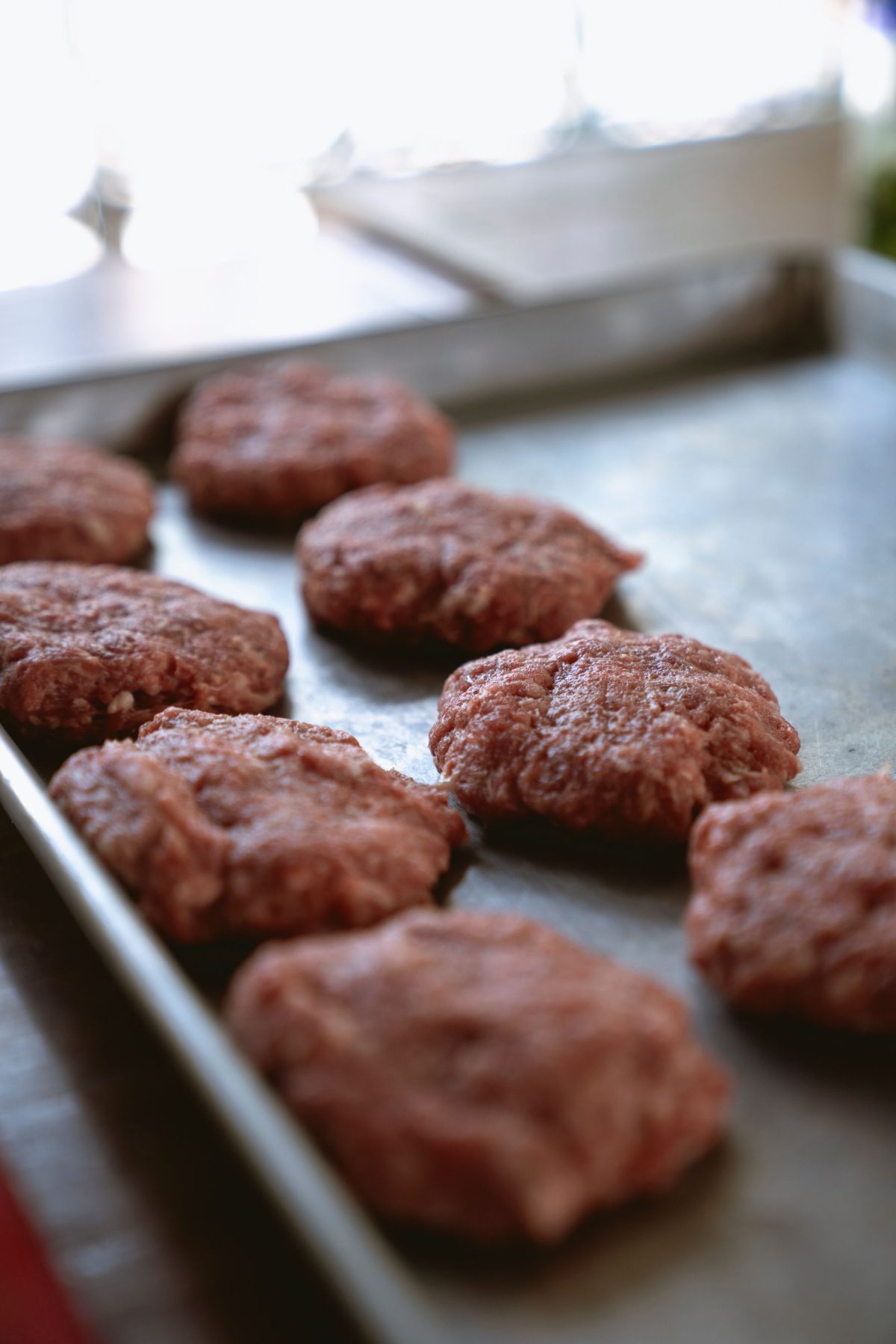
A patty press takes raw mince and forms it into uniform discs. The output is an uncooked component that still needs a
grill or griddle and still needs assembling into a burger afterwards. It solves portioning of the meat and nothing
else, which is genuinely useful but much narrower than buyers often assume.
A bun mould shapes dough before it is baked, so the output is a raw shaped bun. It belongs in a bakery rather than on
a service line. Interestingly, the
burger bun waffle plate sits in a fourth
category again, forming a bun shape on a multi waffle machine, which is a neat way to produce a distinctive bun
without running a bakery operation at all.
Three Machines, Three Different Outputs
| Machine | Acts on | Output | Heat |
|---|---|---|---|
| Sealing unit | An assembled bun with filling inside | Cooked, enclosed, crimped item ready to serve | Yes |
| Patty press | Raw mince | Uniform raw discs that still need cooking and assembly | No |
| Bun mould | Unbaked dough | Shaped raw bun for the oven | No |
| Bun shaped waffle plate | Batter on a waffle machine | A distinctive bun form without a bakery operation | Yes |
Many kitchens need two of these. Very few need all of them, and almost none need all four.
Where each one sits in the process
Laid out in sequence the confusion disappears. A bun mould acts before baking. A patty press acts on raw filling
before cooking. A sealing unit acts last, on an assembled item, and cooks and closes it in the same step.
That sequencing is why the question is rarely which one, and often which two. A kitchen that bakes its own buns and
runs sealed items needs a mould and a sealing unit. A kitchen buying in buns and running sealed items with pre
portioned filling needs only the sealing unit. A conventional burger kitchen that wants consistent patties needs a
press and no sealing equipment at all.
The single most useful diagnostic is to ask where your inconsistency currently comes from. If finished burgers vary in
size, you have a portioning problem and a press or a weighed routine fixes it. If burgers arrive at customers in
pieces, you have a structural problem and only a sealed format fixes it. If your buns are ordinary and your
competitors’ are not, you have a differentiation problem and a mould or a shaped plate is the answer.
It is worth noting what none of them fix. None of these machines improves your recipe, your sourcing or your cooking
temperature. Kitchens that buy equipment hoping to solve a flavour problem are usually disappointed, because all three
of these tools address form and consistency rather than taste.
There is also a sequencing point. A burger sealing machine sits at the end of the process, so it inherits every
problem upstream of it. Buy one while your bun supply is unreliable or your fillings are inconsistent and it will
faithfully reproduce those problems in a neater shape. Fix the inputs first and the machine will do exactly what you
hoped.
Which one your kitchen actually needs
Work from your channel mix. Delivery led operations get the most from a sealing unit, because structural integrity in
transit is worth more to them than anything a press offers. Dine in operations with a grill already running usually
get more from a press, since their problem is consistency and speed on the meat rather than containment.
High volume operations frequently end up with both, using a press to portion and a sealing unit for a specific menu
line. That is a sensible endpoint but a poor starting point, because buying two machines before you know which line
sells is how equipment ends up unused in a store room. Start with the one that addresses your current bottleneck and
add later, once the menu has told you what customers repeat on.
Whichever route you take, check build and support the same way. A food grade stainless body, a properly specified
heating element where relevant, and a supplier who can provide a replacement mould in three years matter more than the
headline figure. Certification practice for commercial electrical appliances is set by the
Bureau of Indian Standards, and an unmarked heating appliance is a poor risk
whatever it costs. The full appliance range lists
specifications per model.
Diagnose the Problem Before You Buy
-
Finished burgers vary in size You have a portioning problem. A patty press or a weighed prep
routine solves this. Sealing equipment will not. -
Orders arrive in pieces You have a structural problem. Only a crimped, enclosed format fixes this.
No press or mould will help. -
Buns look like everyone else’s You have a differentiation problem. A bun mould, or a bun shaped
plate on a multi waffle machine, is the answer. -
The grill station is the bottleneck You have a throughput problem. Look at pressing and pre
portioning first, before adding a new cooking format. -
Customers say the burger tastes ordinary You do not have an equipment problem. Recipe, sourcing and
cooking temperature drive flavour. No machine here fixes that.
Cleaning, wear parts and running life
The three differ sharply in upkeep, and this is worth knowing before you choose. A patty press is mechanical, has no
heating element, and cleans quickly, but it handles raw meat, so it carries the strictest hygiene requirement of the
three. A bun mould is the simplest of all, though it lives in a flour environment that needs its own routine.
A sealing unit is the most involved because it combines heat, pressure and food contact. Mould faces need wiping
through service and a full clean at close, or residue carbonises and starts marking the product. Its wear parts are
the mould set and the heating element, both of which should be treated as consumables on a machine running daily
rather than as components that should last forever.
Running life differs too. A press with no element and few moving parts will outlast almost anything in a commercial
kitchen. A heated sealing unit has a finite element life and a mould surface that degrades, so its economics depend on
whether replacement parts are actually available. That is a supplier question rather than a machine question, and it
is the one worth asking hardest.
None of this is difficult, but it must sit inside the closing routine rather than depend on goodwill. Whichever
machine you buy, hold your registration current through the
FSSAI portal and keep a cleaning log, because that record is what an
inspection actually examines.
Storage matters for all three. A press left on a wet surface will corrode at the joints, moulds stacked against each
other will damage their faces, and a bun mould stored in a flour environment without a cover becomes a pest risk. None
of these are dramatic failures, but they are the reason equipment that should last a decade sometimes lasts three
years.
One last piece of practical advice. Whichever of the three you buy, run it for a week before you put the resulting
item on the menu. Every machine here has a small learning curve, and the cheapest place to discover that your bun
cracks or your patties stick is in a quiet trial rather than in front of paying customers on a Friday night.
Conclusion
A burger sealing machine, a patty press and a bun mould are not competing purchases; they occupy different points in
the same process. Decide by asking what is going wrong now. Inconsistent portions point to a press, burgers arriving
in pieces point to a sealed format, and undifferentiated buns point to a mould or a shaped plate. Then judge the
supplier on parts availability rather than price.
Compare the machines available, or
describe your current bottleneck and we will tell you which of the three you
need first, including if the honest answer is none of them yet.