

Churros Premix vs Scratch Dough: Which Works in Machines
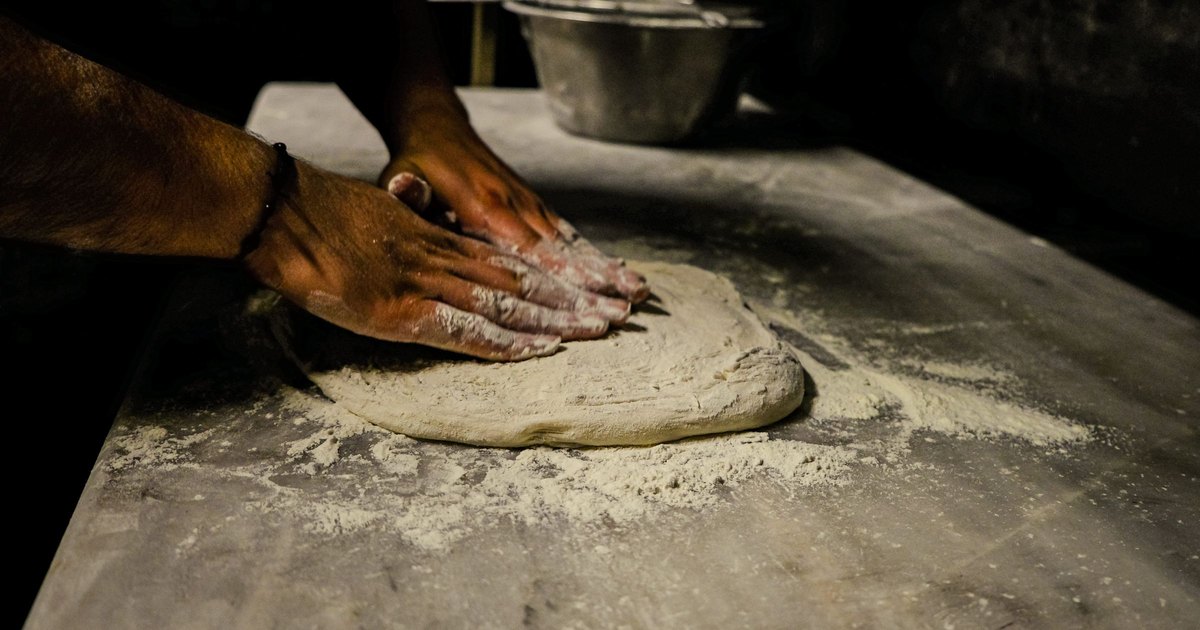
Churros premix or scratch dough? Every new churros counter faces this choice, and the answer depends less on taste than on how the batter behaves inside a commercial machine. The wrong batter blocks nozzles, splits in the fryer or soaks up oil.
This guide compares both options through the lens of real machine work: extrusion, frying, oil uptake, consistency and staff skill. It also gives you a simple trial to run before you commit. For the wider business picture, see our guide to selling churros in India.
Key Takeaways
- A ready premix gives the most consistent extrusion and frying when staff change often or volumes are high.
- Scratch dough offers more recipe control, but churro batter consistency depends heavily on skill and timing.
- Run the same timed trial for every batter in your own machine before deciding.
Why Batter Choice Matters in a Churros Machine
A churros machine is not forgiving. The dough must be firm enough to hold the star shaped ridges, yet soft enough to flow through the cylinder and nozzle without tearing. If it is too stiff, staff struggle to extrude it and the machine strains. If it is too soft, churros lose their shape and absorb more oil. When suppliers talk about churros dough for machine use, they mean exactly this balance of firmness and flow.
Traditional churro dough is a simple mix of flour, water, fat and salt, cooked or mixed to a thick paste. Small changes in water temperature, mixing time or resting time change the texture. At home, that variation is charming. At a busy counter, it means uneven portions, longer frying times and unhappy customers.
That is why batter choice is really a consistency decision. You are choosing how much variation you can accept, and how much skill your team can bring to every shift.
Batter also affects your running costs. Dough that absorbs more oil means more oil purchases and faster oil changes. Dough that splits or breaks means wasted portions. Over a month, these small losses can matter more than the price difference between a premix and raw ingredients.
How a Churros Premix Behaves in a Commercial Machine
A ready churros mix contains the dry ingredients in fixed proportions. Staff add water at the ratio printed on the pack, mix to a smooth dough and load the cylinder. Because the blend is fixed, the dough behaves almost the same way every time.
In a commercial churros machine, that consistency shows up in three places. Extrusion is smooth because the dough texture is predictable. Frying time stays steady, so staff can work to a set timer. Portion weight stays even, which keeps your costing accurate.
A premix also shortens training. A new operator can learn the ratio, the mixing time and the loading routine in one shift. For kiosks with changing staff, caterers who cook at unfamiliar venues and cafes that open early, this is the main advantage.
The trade offs are cost per kilo and recipe control. You pay for the convenience, and you are limited to the flavour and texture of the blend. Some premixes also need a rest after mixing, so read the pack instructions carefully and build that time into your opening routine.
When you compare a churros premix from different suppliers, check the label carefully. Look for FSSAI details, the ingredient list, allergen information, eggless or vegetarian status where relevant, and the shelf life once opened. The Food Safety and Standards Authority of India sets the labelling rules that every pack should follow.
How Scratch Dough Behaves
Scratch dough gives you full control. You choose the flour, the fat, the sweetness and any spices. You can develop a signature recipe, an eggless version or a richer dough for premium filled churros. For specialist cafes, that control can be part of the brand.
The challenge is churro batter consistency. Water temperature, the order of mixing and how long the dough rests all change the result. Two staff members following the same recipe can produce noticeably different churros. In a machine, that shows up as varied extrusion pressure, uneven ridges and changing frying times.
Scratch dough also adds prep work. Staff must weigh ingredients, cook or mix the dough and let it cool to the right temperature before loading. On a busy morning, that time comes straight out of service. If the dough is loaded too warm or too cool, the first batches of the day often suffer.
If you choose scratch dough, write the recipe by weight, not by cups. Record the water temperature and mixing time, and train one lead operator to make every batch. Treat the recipe like a standard operating procedure rather than a home kitchen guide.
Weather adds another variable. In humid months, flour absorbs moisture from the air, and the same recipe can produce a softer dough. In hot kitchens, dough warms quickly inside the cylinder. Scratch recipes may need small water adjustments through the year, while a sealed premix stored correctly stays more stable. Either way, keep flour and premix in airtight containers away from the fryer and steam.
Run a Fair Trial in Your Own Machine
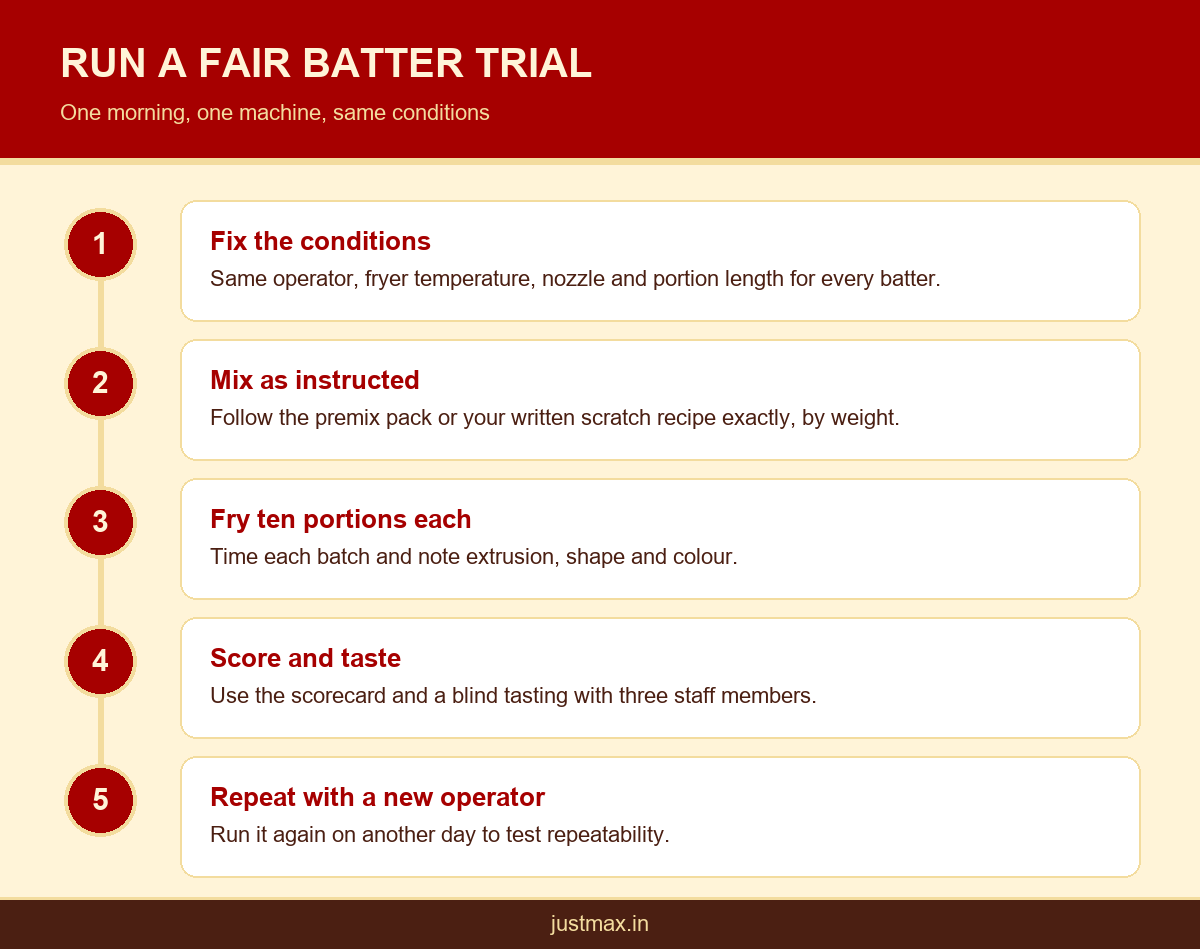
The only reliable way to choose is to test both options in the machine you will actually use. A fair trial takes one morning and saves months of frustration. Use the same operator, the same fryer temperature and the same portion length for every batter you test.
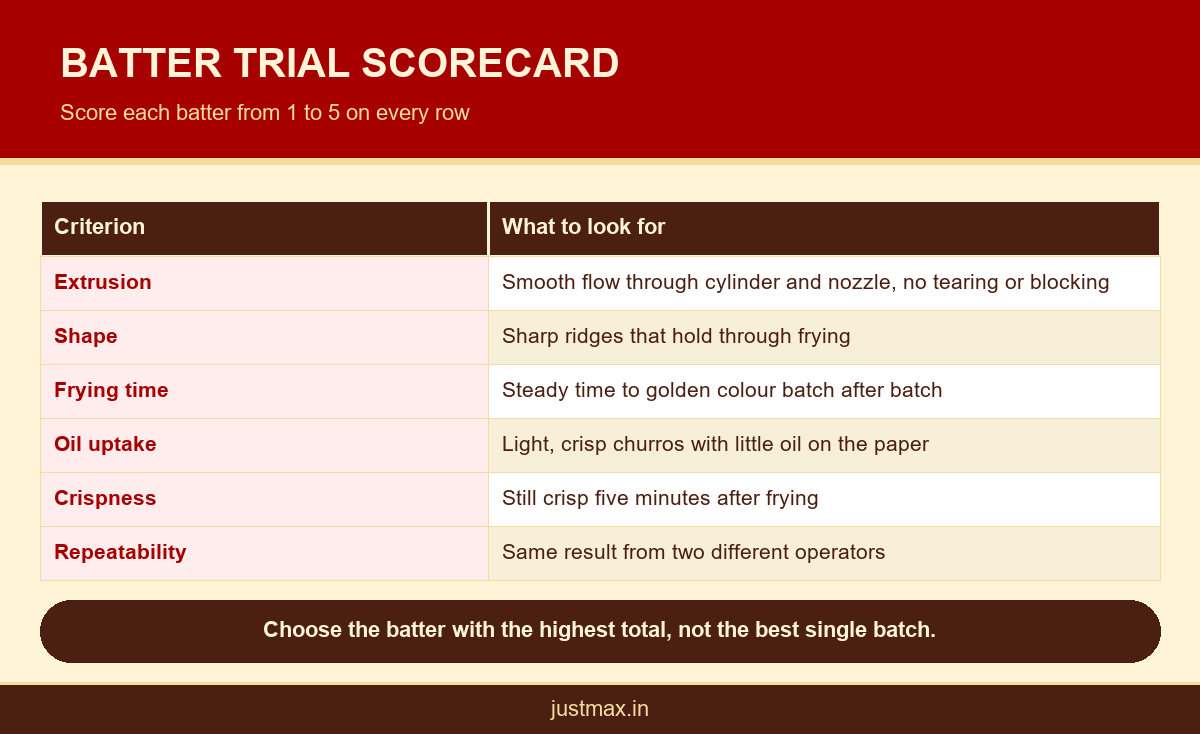
Score each batter against the same criteria. The scorecard below keeps the comparison objective, so the decision is not based on whoever cooked the best batch on the day.
Repeat the trial on a second day with a different operator. If a batter performs well for both people, it will perform well on a busy weekend. If results change sharply between operators, that batter will depend too much on one skilled person.
If you are still choosing equipment, read our commercial churros machine guide before the trial, and test the batter on the same model you plan to buy. The Just Max churros machine has a 2 litre cylinder and a 25 litre fryer, so size each trial batch to fit the cylinder.
Choosing the Right Batter for Your Business
Most new counters do best with a ready churros mix. It reduces risk while you learn your customers, your peak hours and your costs. Once the business is stable and you have a skilled lead operator, you can test a signature scratch recipe as a special.
Caterers have even more reason to choose a churros premix. Event kitchens change every week, water quality varies and setup time is short. A batter that only needs water and a quick mix travels well and performs the same way at every venue. Our guide to starting a dessert catering business in Kerala covers the wider event setup.
Specialist cafes with stable teams may prefer scratch dough for flavour control. If you go that way, budget for training time and keep a premix in stock as a backup for busy days or staff absences.
Whatever you choose, plan your dips and fillings at the same time. The batter is only half the product. Warm chocolate, hazelnut and pistachio spreads from Just Max turn a plain churro into a premium dessert and lift the value of every portion.
Finally, review the decision after three months. Compare oil use, wastage, customer feedback and staff time for the batter you chose. If the numbers look strong, keep going. If not, run the trial again with a new option and let the data guide you.
Conclusion
For most counters, a churros premix is the safer starting point because it delivers consistent extrusion, frying and portions with less training. Scratch dough rewards skilled, stable teams who want full recipe control. Test both in your own machine, score them fairly and choose on the evidence.
Need help planning your churros station? Speak with the Just Max team about machines and spreads, or message us on WhatsApp at +91 88480 43729.
Frequently Asked Questions
Is a churros premix better than scratch dough?
For most commercial counters, yes. A premix gives consistent extrusion, frying and portion weight with minimal training. Scratch dough offers more recipe control, but results depend on staff skill, water temperature and careful mixing every single time.
Why does my churro dough block the machine nozzle?
Dough that is too stiff, too cool or unevenly mixed resists extrusion and can block the nozzle. Check the water ratio, mix until smooth and let the dough reach the temperature your recipe or premix pack recommends.
Why do my churros absorb too much oil?
Soft dough, low oil temperature and overloading the fryer all increase oil uptake. Use a firmer, consistent batter, preheat fully, fry in small batches and let the oil fully recover its temperature between each new batch.
Can I make eggless churros?
Yes. Many churro recipes are naturally eggless, and some premixes are labelled eggless or vegetarian. Check the label or test your scratch recipe carefully, because removing egg can change texture, ridges and crispness after frying.
How long can mixed churro dough sit before frying?
Follow the time stated on your premix pack or recipe, and keep mixed dough covered. Mix in batches that fit your machine cylinder, so fresh dough is always ready and nothing sits out for long periods.
Does Just Max make waffle and pancake premixes?
Yes. Just Max offers Belgian waffle and pancake premixes in Vanilla, Chocolate (Brownie) and Red Velvet. For churros, test any premix you choose in your own machine before you build your full menu around it.
What should a churros premix label show?
Look for FSSAI details, a full ingredient list, allergen information, net weight, batch number, best before date and preparation instructions. Eggless or vegetarian status should also be clearly marked wherever it applies to the product.
Who can help me set up a churros counter?
Just Max has manufactured dessert equipment in Kerala since 2002. Read the Just Max story and contact the team for machine advice, installation guidance, hands on staff training and reliable life long post sales service.