-
×
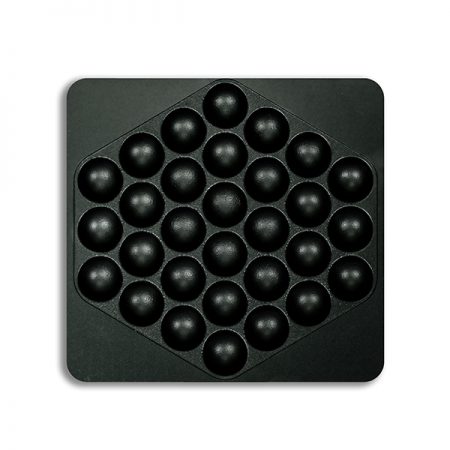 Multi Waffle Plate - Bubble
1 × ₹7150
Multi Waffle Plate - Bubble
1 × ₹7150
Subtotal: ₹7150 (incl. tax)
 Multi Waffle Plate - Bubble
1 × ₹7150
Multi Waffle Plate - Bubble
1 × ₹7150 Subtotal: ₹7150 (incl. tax)
 Just Max
A chocolate fountain only looks as good as the chocolate running through it. Choosing the right liquid chocolate for fountains is what separates a smooth, glossy cascade from a clogged pump and a frustrated event team. Whether you run a standard fountain, a cascade model, or a large multi flow fountain, this guide explains what fountain grade chocolate actually means, how to buy it in bulk, and how to keep it flowing all event long.
Fountain grade chocolate needs enough cocoa butter to stay fluid, unlike baking chocolate or chips.
Couverture chocolate performs best in a fountain, but well formulated compound chocolate is a practical, lower cost option for daily commercial use.
Consistent viscosity, not just flavor, determines whether your fountain flows evenly or clogs mid event.
Not every chocolate bar or chip is built to flow. Fountain grade chocolate is formulated with a higher percentage of cocoa butter, the natural fat that keeps chocolate fluid at a stable serving temperature. Standard baking chocolate is designed to hold its shape, so it seizes and thickens the moment it hits a chocolate fountain auger. When you shop the standard fountain range or a cascade fountain on Justmax, always pair the machine with chocolate rated specifically for fountain use rather than a general purpose bar. This single decision affects presentation more than almost any other purchase you make for the event.
Fountain grade formulations are built around three properties working together: enough fat content to stay liquid, a melting point suited to room temperature service, and a smooth particle structure that will not clog the pump. Cheaper substitutes often fail on one of these even when the flavor tastes fine off the spoon. A chocolate that eats well at room temperature can still separate or thicken once it circulates through a multi flow fountain for two or three hours, so it is worth testing any new supplier on a small batch before committing to a full event order. Ask the supplier directly whether the product is formulated for fountains rather than assuming a general purpose couverture will behave the same way once it is pumped continuously.
Real couverture chocolate contains a high proportion of pure cocoa butter and delivers the richest flavor and glossiest finish, but it must be tempered correctly to hold its sheen. Compound chocolate replaces some cocoa butter with vegetable fat, which trades a little flavor depth for a chocolate that flows reliably without tempering, making it a practical choice for high volume commercial use. Many caterers running a multi flow fountain at a busy venue prefer compound chocolate specifically because it holds consistent viscosity for hours, as covered in our guide on how to choose the right chocolate fountain for your event.
Neither option is universally right. A premium hotel banquet or a wedding reception often justifies the extra handling that couverture chocolate demands, because guests notice the difference in gloss and taste. A busy street food counter or a theme park kiosk running a chocolate fountain for hours at a stretch usually gets more value from compound chocolate, since it holds its texture without the operator monitoring temperature every few minutes. Many venues keep both on hand and choose based on the event, rather than committing one way for every booking.


Viscosity, how thick or thin the melted chocolate is, is the real variable that determines whether a chocolate dispenser or fountain runs smoothly. Chocolate that is too thick strains the chocolate filling pump and produces an uneven cascade, while chocolate that is too thin looks watery and separates. Most fountain grade chocolate is designed to be thinned slightly with a neutral oil rather than water, since water causes chocolate to seize. If you already own a CF15 tap chocolate fountain, check the manufacturer guidance on oil ratio before your first commercial run, and always test viscosity at serving temperature rather than straight out of the packaging.
Temperature control matters just as much as the recipe. Chocolate that is held too hot loses its temper and turns dull or streaky, while chocolate that cools even slightly thickens enough to slow the cascade. Most commercial fountains hold a steady serving range, but the chocolate itself should be brought up to that range gradually rather than melted on high heat and poured in immediately. Rushing this step is one of the most common reasons a fountain that worked perfectly the week before suddenly struggles at a new event.
Event caterers and hotels running fountains regularly should think about chocolate sourcing the same way they think about wholesale catering premix or bulk premix ordering: buying in volume lowers cost per event and keeps supply predictable. Look for a liquid chocolate supplier who can confirm cocoa butter content on request, ships in fountain ready packaging, and can support the batch sizes your venue actually uses. Storage matters too. Keep bulk chocolate in a cool, dry space away from strong odors, since chocolate absorbs surrounding smells easily, a basic food safety principle worth building into your kitchen SOP alongside guidance from bodies like FHRAI.
Before committing to a supplier, ask for a sample batch large enough to run through your actual equipment, not just a taste sample. Confirm shelf life once opened, whether the product needs refrigeration in transit, and how consistent the viscosity is from batch to batch. Suppliers who cannot answer these questions directly are a risk for any venue running fountains on a regular schedule, since a single inconsistent batch can affect an entire event.


The right chocolate depends partly on which machine you run it through. A small standard fountain for an intimate gathering can handle a slightly thicker pour than a tall multi flow fountain feeding several tiers at once. If your setup uses a separate chocolate dispenser for topping stations rather than a full fountain, as outlined in our catering equipment checklist, you have more flexibility on viscosity since there is no multi tier cascade to maintain. Pair your chocolate choice with the right chocolate filling pump capacity and, for events also serving warm beverages or sauces, complementary gear like a bottle warmer rounds out a complete dessert station. For guidance tailored to your exact setup, contact the Justmax team.
It helps to think of chocolate and equipment as one purchasing decision rather than two separate ones. A venue building out a full dessert station, similar to the setups covered in our catering equipment checklist, should plan chocolate sourcing at the same time as ordering waffle plates or a double multi waffle machine, since chocolate is often the ingredient that ties the whole counter together. Ordering chocolate as an afterthought, once the equipment has already arrived, is a common reason new dessert stations underperform in their first few events.
Choosing the right liquid chocolate for fountains is not just a flavor decision, it is an operational one. Cocoa butter content, tempering, and viscosity together decide whether your fountain runs beautifully or needs constant troubleshooting mid event. Start with fountain grade chocolate rated for your machine, buy in a volume that matches your event calendar, and store it properly between uses. Ready to pair the right chocolate with the right equipment? Browse the Justmax shop or get in touch for a recommendation suited to your venue. A little extra care at the sourcing stage pays off in every event that follows.