
Chocolate Kebab Machine: The Dessert Format India Missed
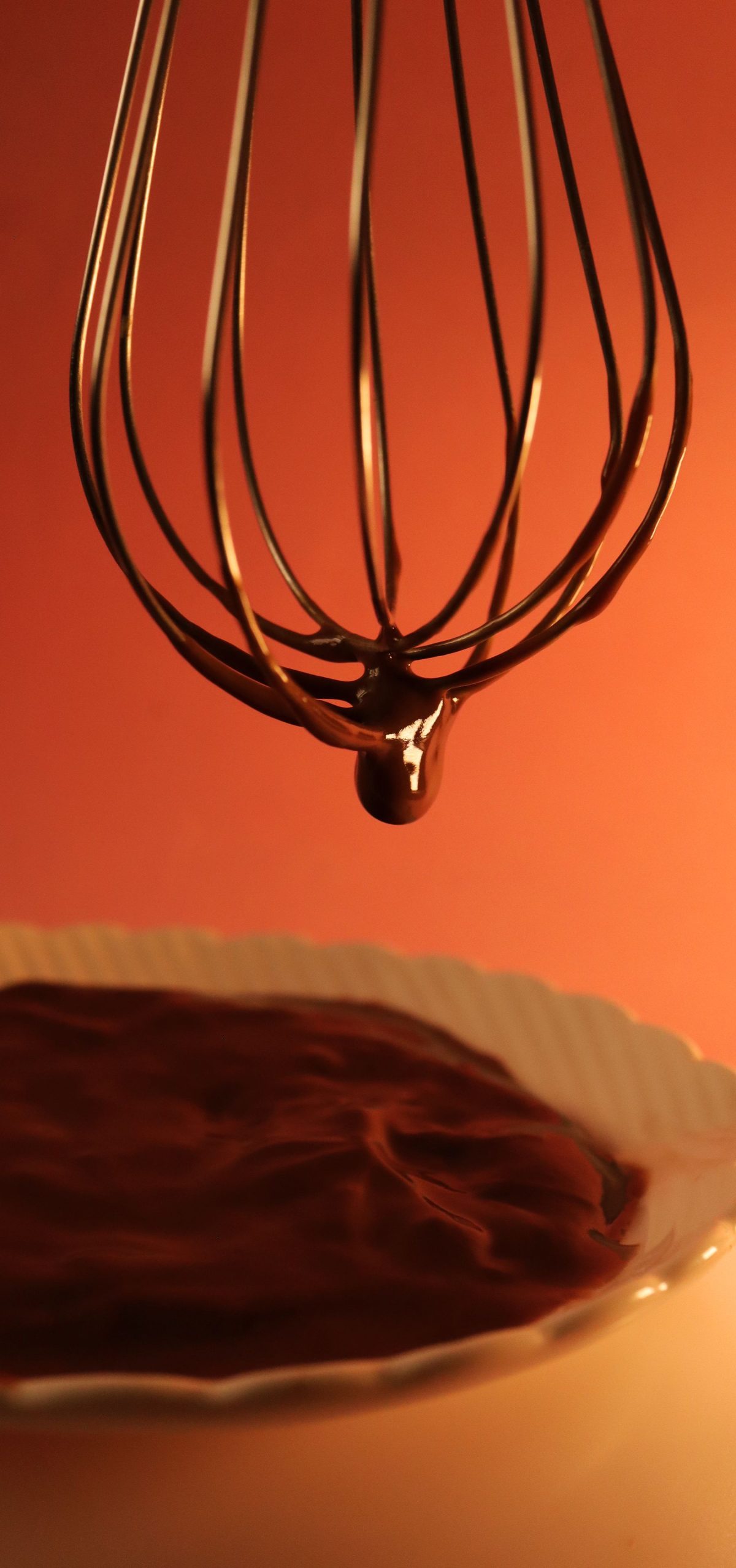
A chocolate kebab machine is a vertical rotisserie that turns a block of chocolate against a heat source so staff can
shave warm curls off the face to order. It is the same mechanism as a doner, applied to dessert, and that single
inversion is why it stops people in a food court. Almost nobody in India is running one, and almost nobody is writing
about them, which makes this one of the last genuinely uncontested dessert formats available to an operator looking
for something to be known for.
Key Takeaways
- The theatre is the product. Guests recognise the mechanism instantly and have never seen it used for dessert.
- One consumable and one skill, which makes it far simpler to run than its appearance suggests.
- Heat management and a spatter guard are the two planning points that decide whether it works on your counter.
How the machine works
A shaped block of chocolate is mounted on a vertical spit. A heat source warms the exposed face while the spit rotates
slowly, softening a thin outer layer without melting the core. Staff draw a blade down the warm face and take off
ribbons of chocolate, which fall into a collecting tray and go straight onto a waffle, a crepe, an ice cream or a cup.
The engineering problem the machine solves is holding a narrow temperature band. Too cool and the blade skids without
cutting; too warm and the block slumps and runs. A properly built unit holds the face soft and the core firm for a
whole service, which is the difference between a working machine and a novelty that gets switched off after a
fortnight. The rotisserie style unit sits in the
chocolate kebab category of the
appliance range.
Block selection matters as much as the machine. The product needs to be firm enough to hold its shape on a spit under
its own weight and formulated to soften at the surface rather than sweating oil. Ordinary bar chocolate is usually too
soft and too prone to separating, which is the same lesson that catches operators out with open dessert equipment
generally.
How a Dessert Rotisserie Actually Works
-
Mount A shaped chocolate block is fixed to a vertical rotating spit. Block firmness matters;
product intended for this use holds where bar chocolate slumps. -
Warm A heat source softens only the exposed outer layer as the spit turns. Too cool and the blade
skids. Too warm and the block slumps and runs. -
Shave Staff draw a blade down the warm face and take off chocolate ribbons. The skill is blade
angle against the face, learned within a few shifts. -
Serve Curls drop into a tray and go onto waffles, crepes, ice cream or cups. It is a topping
generator, so it earns most beside items that need topping.
Why it draws a crowd
Most dessert equipment competes on the finished plate. This one competes on the process, and that is a stronger
position. A guest walking past a food court sees a familiar rotating spit, registers it as savoury, then realises it
is chocolate. The double take is the marketing, and it happens without a single rupee of spend.
It also photographs and films unusually well, which matters more than it used to. A shaved chocolate service is a
short vertical video that essentially makes itself, and dessert venues that have added one tend to find social reach
follows without a campaign. That is the same dynamic that made open dessert theatre work for fountains, which our
guide to choosing a fountain for an event
covers from the other direction.
For pricing, novelty supports a premium. A shaved chocolate topping on an existing waffle or crepe can carry a
meaningful uplift precisely because the customer cannot get it down the road. That makes it an add on revenue line
rather than a replacement for anything already selling, which is the most comfortable way to introduce any new
equipment.
There is a staffing implication behind the theatre. A machine that earns its keep by being watched needs somebody
present whenever it is running, so it suits venues that already staff a counter rather than those hoping to add a
format without adding a person.
What to check before adding one
Three practical points decide whether this belongs on your counter. Heat is the first. The machine radiates, and a
dessert counter is often already warm from waffle irons and fryers. Plan the position with airflow in mind rather than
squeezing it between two other heat sources, because an overheated service area affects every other product you make.
Second, containment. Shaving warm chocolate throws fine spatter, so a guard behind and beside the unit is not optional
if the machine faces guests. Third, block management. You need a clear written rule on how long a partially shaved
block may stay mounted and what happens to it at close, because a warm chocolate mass held for too long is both a
quality and a hygiene issue.
On compliance, this is open, unpackaged, ready to eat food prepared in front of guests, so the standard duties apply
in full. Hold the correct registration through the
FSSAI licensing portal and work to the hygiene practice set out in the
Food Safety and Standards regulations. General food safety training material from the
World Health Organization is useful for
briefing counter staff who have not handled open service before.
Allergens need stating too. Chocolate blocks commonly contain milk and soya, and the toppings and bases you serve
alongside frequently introduce nuts and wheat. Put that on the menu rather than relying on a verbal answer at a busy
counter.
Block supply is the fourth check and the one that decides whether the format is sustainable rather than merely
possible. A chocolate kebab machine runs on a single specialised consumable, so confirm lead times, minimum order
quantities and how the blocks are stored before you commit to a menu that depends on them. A machine with no block
behind it is a very visible piece of idle counter space.
Counter Planning Checks Before Installation
- Confirm the electrical load against your actual circuit with an electrician
- Position for airflow; do not squeeze the unit between a fryer and a waffle iron
- Fit a spatter guard behind and beside the machine wherever it faces guests
- Write a rule for how long a partially shaved block may stay mounted
- Decide what happens to a part used block at close of service
- Plan for an operator to be present whenever the machine is running
- State the milk, soya, nut and wheat position on the menu rather than verbally
- Add a daily wipe down of surrounding surfaces to the closing routine
- Pair the station with waffles, crepes or ice cream rather than selling shavings alone
Building a menu around it
The machine is a topping generator, so it earns most when it sits beside items that need topping. Waffles and crepes
are the obvious partners, and both are already well served by the
waffle equipment range and the
crepe plate options. Ice cream, cups and
dessert boxes work equally well and need no extra equipment at all.
Keep the offer simple. One or two block varieties is enough at launch, and a plain milk chocolate block will outsell
anything more adventurous while you learn the shaving technique. Once the station is consistent, a second variety
gives you an upsell without a second machine and without another consumable line to manage.
Do not position it as a standalone dessert. Shaved chocolate on its own is a garnish looking for a home, and venues
that try to sell it in a cup by itself usually find the ticket does not justify the counter space. Treat it as the
thing that makes your existing desserts distinctive, and the economics work.
One last commercial note. Because the format is unfamiliar, it needs naming clearly on the menu and ideally showing in
a photograph or on a screen. Customers who have never seen a dessert rotisserie do not know what they are being
offered, and a single explanatory line converts considerably better than the product name on its own.
Pricing it takes a little thought. Because shaved chocolate is a topping, the cleanest approach is a fixed supplement
on an existing item rather than a separate menu line, which keeps the kitchen simple and makes the upsell obvious at
the point of order. Venues that create a whole new section for it tend to find the section underperforms while the
supplement sells steadily.
Conclusion
A chocolate kebab machine is one of the few pieces of dessert equipment that still surprises an Indian customer, and
surprise is what supports a premium. It runs on one consumable and one skill, it makes its own marketing, and it lifts
the value of desserts you already sell. Plan for heat, fit a guard, write a block rule, staff it properly, confirm
your block supply, and pair it with waffles or crepes rather than selling it alone. Priced as a supplement on existing
items rather than as a separate menu section, it is one of the least risky differentiators available to a dessert
counter today. See the equipment listing or
ask us about counter layout for your site.