

Chocolate Spread Showdown: Milk vs Dark vs White vs Gold
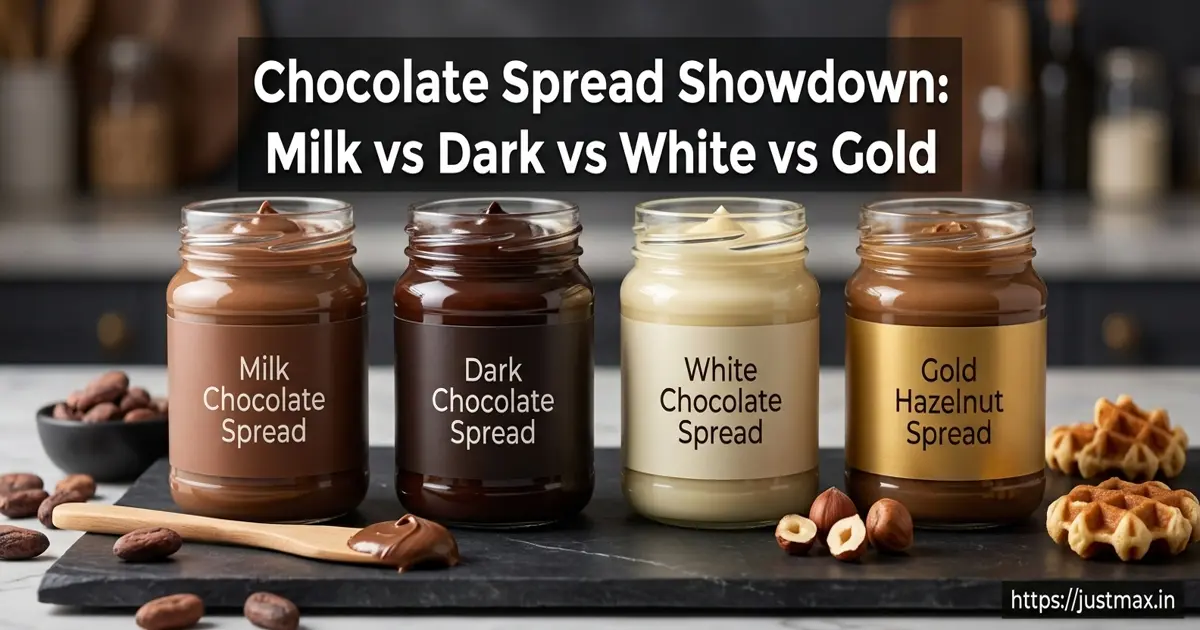
Chocolate spread is one of the most versatile ingredients a professional kitchen can stock. Whether you run a cafe, a catering operation, or a dessert stall, the variety you choose directly affects flavor, presentation, and customer satisfaction. With so many options available, including milk, dark, white, and the premium Gold line, making the right call can feel overwhelming. This guide breaks down each variant clearly so you can match the right chocolate spread to the right dish and boost sales at every turn.
Key Takeaways
- Milk chocolate spread suits everyday desserts and family-friendly menus with its creamy, sweet profile.
- Dark Chocolate Spread delivers depth and sophistication, making it ideal for premium and adult-oriented dessert offerings.
- The Gold line, including Milk Chocolate Spread Gold and Hazelnut Spread Gold, offers elevated richness for upscale menus and event catering.
- Choosing the right spread variant can increase average order value and improve repeat customer rates.
What Makes Each Chocolate Spread Different?
The core difference between spread variants lies in their cocoa content, sweetness level, and texture. Milk chocolate spread is blended with milk solids, giving it a lighter, creamier consistency that melts smoothly. Dark Chocolate Spread uses a higher percentage of cocoa with less sugar, producing a more intense, bittersweet taste. White chocolate spread contains no cocoa solids at all, relying instead on cocoa butter, sugar, and milk for its pale color and sweet, buttery flavor. The Gold variants take any of these base profiles and enhance them with premium ingredients, richer emulsification, and a more refined finish suited for commercial use.
Understanding these differences is not just about taste. It is about knowing which spread performs best during service, which one holds up under heat, and which one photographs best for your menu boards and social media content.
Milk Chocolate Spread: The All-Rounder for Everyday Menus
Milk chocolate spread is the most widely used variety in commercial kitchens across India. Its balanced sweetness and smooth texture make it a reliable topping for waffles, pancakes, crepes, and toast. It pairs well with fruits, nuts, and whipped cream, making it a flexible base for multiple menu items. For caterers serving families or large mixed groups, this variant guarantees broad appeal without polarizing any segment of the audience.
The Milk Chocolate Spread Gold from Just Max takes this reliability up a notch. It delivers a creamier mouthfeel, a richer cocoa note, and a glossy finish that elevates even a simple waffle plate into something that looks and tastes premium. If you are looking to understand how this spread pairs with popular dessert applications, the guide on why milk chocolate spread is the perfect companion for waffles, pancakes, and desserts covers practical pairings in detail.
Dark Chocolate Spread: The Premium Pick for Discerning Tastes
Dark chocolate spread is the choice for operators who want to signal quality and sophistication. Its higher cocoa content produces a deeper, more complex flavor that works exceptionally well with savory-leaning desserts, espresso-based drinks, and high-end pastry presentations. Customers who appreciate single-origin coffee or artisan chocolate will gravitate toward dark spread options naturally.
From a commercial standpoint, Dark Chocolate Spread commands a higher perceived value on menus. Listing it as a premium option alongside a standard milk variant allows you to create a tiered pricing structure that boosts average transaction size. It also performs beautifully as a dipping sauce when warmed in a chocolate dispenser, creating a dramatic presentation that encourages repeat orders. For more inspiration on building premium dessert offerings using dark spread, visit the blog on dark chocolate spread for premium dessert menus.
When to Use Dark Chocolate Spread vs Milk Chocolate Spread
- Use Dark Chocolate Spread for adult dessert menus, upscale event catering, and coffee shop pairings.
- Use milk chocolate spread for family events, children’s menus, and high-volume waffle or pancake stations.
- Mix both variants to create a marble-effect presentation that adds visual drama at minimal cost.
- Consider the heat resistance of each variant when using with fountain or dispenser equipment.
White Chocolate Spread: The Wildcard That Stands Out
White chocolate spread occupies a unique position in the market. It contains no cocoa solids, which gives it a mild, vanilla-forward sweetness that acts as a neutral canvas. This makes it an excellent partner for bold toppings like berries, matcha, or salted caramel. In a competitive cafe environment, offering white chocolate spread as a differentiated option signals creativity and menu breadth to customers who have seen milk and dark spread everywhere.
White spread also works well in layered dessert constructions where color contrast is important. Think of a crepe folded over a white chocolate base with fresh strawberries and a dark chocolate drizzle on top. The visual contrast drives social sharing, which is valuable organic marketing for any food business. According to research published by the Journal of Sensory Studies, visual appeal significantly influences dessert purchase decisions in commercial settings, reinforcing why spread variety and presentation matter.
The Gold Line: Where Everyday Quality Becomes a Competitive Edge
The Gold line represents the top tier of the Just Max spread range. These are not everyday commodity products. They are formulated specifically for professional use, with improved texture stability, a richer flavor profile, and a more consistent pour at commercial temperatures. The Gold variants are designed to perform reliably under the demands of a busy catering or restaurant kitchen.
The Hazelnut Spread Gold variant deserves special attention. Hazelnut and chocolate is one of the most beloved flavor combinations globally, and the Gold formulation delivers this pairing with a smoothness and intensity that basic hazelnut spreads cannot match. For food businesses looking to differentiate their waffle or pancake menus, incorporating a Gold-tier hazelnut spread as a featured offering can significantly increase table spend. The blog on Hazelnut Spread Gold as a premium addition to Just Max spreads provides a detailed look at what makes this variant stand apart from standard options.
Gold Line vs Standard Spreads: Key Differences at a Glance
- Texture: Gold line spreads offer a finer, more emulsified consistency that coats surfaces evenly without pooling.
- Flavor depth: Richer cocoa and nut notes that remain stable even after heating or refrigeration cycles.
- Shelf performance: Formulated for commercial shelf stability, reducing waste in high-turnover environments.
- Menu positioning: Allows operators to justify premium menu pricing with a visible quality difference customers can taste.
Choosing the Right Spread for Your Business Model
The right chocolate spread choice depends on your menu positioning, your customer base, and your operational setup. A high-volume street food stall benefits most from a reliable milk chocolate spread that is easy to apply, cost-effective, and broadly loved. A boutique cafe or events catering company gains more from the Gold or dark variants, which support premium branding and allow higher menu price points.
Consider also the equipment you are using. Spreads applied through a dispenser or chocolate fountain behave differently from those used for direct spreading. Thicker Gold variants may need slight warming for optimal flow through dispensing equipment. Pairing the right spread with the right delivery method, such as a standard chocolate fountain, ensures consistent results and reduces product waste during service.
According to industry data from the Euromonitor International food and beverage reports, chocolate-based spreads continue to see year-on-year growth in the Indian food service sector, driven by rising cafe culture and increasing demand for dessert-focused menu items. Stocking multiple spread variants positions your business to capture this growing demand across different customer segments.
Conclusion: Match Your Spread to Your Menu Strategy
Every variant of chocolate spread serves a purpose. Milk spread anchors everyday menus with consistent, crowd-pleasing flavor. Dark spread elevates the perceived quality of your dessert offerings. White spread adds creative versatility and visual contrast. The Gold line, covering both Milk Chocolate Spread Gold and Hazelnut Spread Gold, delivers the professional-grade performance that serious food businesses need to stand out. Choosing thoughtfully across these variants is not just a product decision. It is a menu strategy that directly impacts customer satisfaction and revenue. Explore the full Just Max spread range and contact the team to find the right variants for your operation.
Milk chocolate spread contains milk solids and more sugar, giving it a creamy, sweet flavor. Dark chocolate spread has a higher cocoa content and less sugar, producing a richer, more intense taste that works well for premium dessert menus and adult-oriented food offerings.
Yes. The Gold line offers superior texture stability, richer flavor depth, and better commercial performance compared to standard spreads. It allows operators to justify premium menu pricing, which increases average transaction value. The quality difference is noticeable to customers and supports stronger brand positioning.
Most chocolate spreads can be used in fountain and dispenser setups, though thicker Gold variants may need slight warming for smooth flow. Pairing the right spread consistency with appropriate equipment ensures even coating and reduces product waste during high-volume service.
Milk chocolate spread is the safest choice for family-focused menus. Its balanced sweetness and creamy texture are widely enjoyed across age groups. It pairs well with waffles, pancakes, and fruit platters, making it a dependable option for large mixed-audience catering events.
Hazelnut spread blends roasted hazelnut paste with chocolate, creating a nuttier, more complex flavor than plain chocolate spread. The hazelnut spread top choice for waffles and pancakes guide explains how this combination enhances dessert menus with minimal effort and strong customer appeal.
White chocolate spread contains cocoa butter, sugar, and milk but no cocoa solids, giving it a mild, vanilla-forward flavor. It works well as a base for colorful dessert presentations, especially when paired with berries, matcha, or salted caramel toppings that benefit from a neutral sweet backdrop.
Store chocolate spread at room temperature away from direct sunlight and moisture. Avoid refrigerating unless the label specifies it, as cold temperatures can cause separation or hardening. Always reseal containers after use to maintain freshness and prevent cross-contamination in a busy commercial kitchen environment.
Absolutely. Chocolate spread works as a filling for pastries, a swirl ingredient in muffin batter, or a ganache base when combined with cream. Its versatility makes it one of the most useful ingredients in a professional kitchen beyond simple spreading applications on waffles or pancakes.
A combination of milk and dark spread variants creates the best visual and flavor contrast on a dessert board. For a comprehensive approach to building dessert presentations, the dessert spread board guide for cafes offers practical setup tips suited to event catering and cafe menus.
Stocking at least two to three variants, typically milk, dark, and one Gold or hazelnut option, covers most menu needs and customer preferences. This range allows tiered pricing, creative plating, and flexible menu design without overstocking. Start with your core seller and expand based on customer demand.
2 replies on “Chocolate Spread Showdown: Milk vs Dark vs White vs Gold”
[…] clean sheet. Getting the balance right depends partly on the machine and partly on using the right liquid chocolate for fountain use rather than eating chocolate straight off the […]
[…] before doors open rather than reacting once the counter runs low. Many venues also rotate in flavoured chocolate spreads as an additional topping option, which gives repeat visitors across a multi day event or festival […]