All 17 Multi Waffle Plate Designs and Which Shapes Sell
There are seventeen patterns in the Just Max plate range and most buyers pick two or three by eye. That is a shame,
because each waffle plate design has a specific commercial job, and knowing what it is turns a plate purchase into a
menu decision. This piece runs through all seventeen grouped by purpose, with an honest verdict on which shapes earn
their keep, which are seasonal, and which are genuinely niche.
Key Takeaways
- Traditional deep pocket formats sell most reliably. Novelty shapes earn a premium but need promotion behind them.
- Shape affects cycle time and packing, so a plate choice is also a throughput and delivery decision.
- Two or three plates is the right opening set. Add patterns once you know what customers repeat on.
The core sellers you should own first
Three patterns account for most sales in most venues, and they are the ones to buy before anything interesting. The
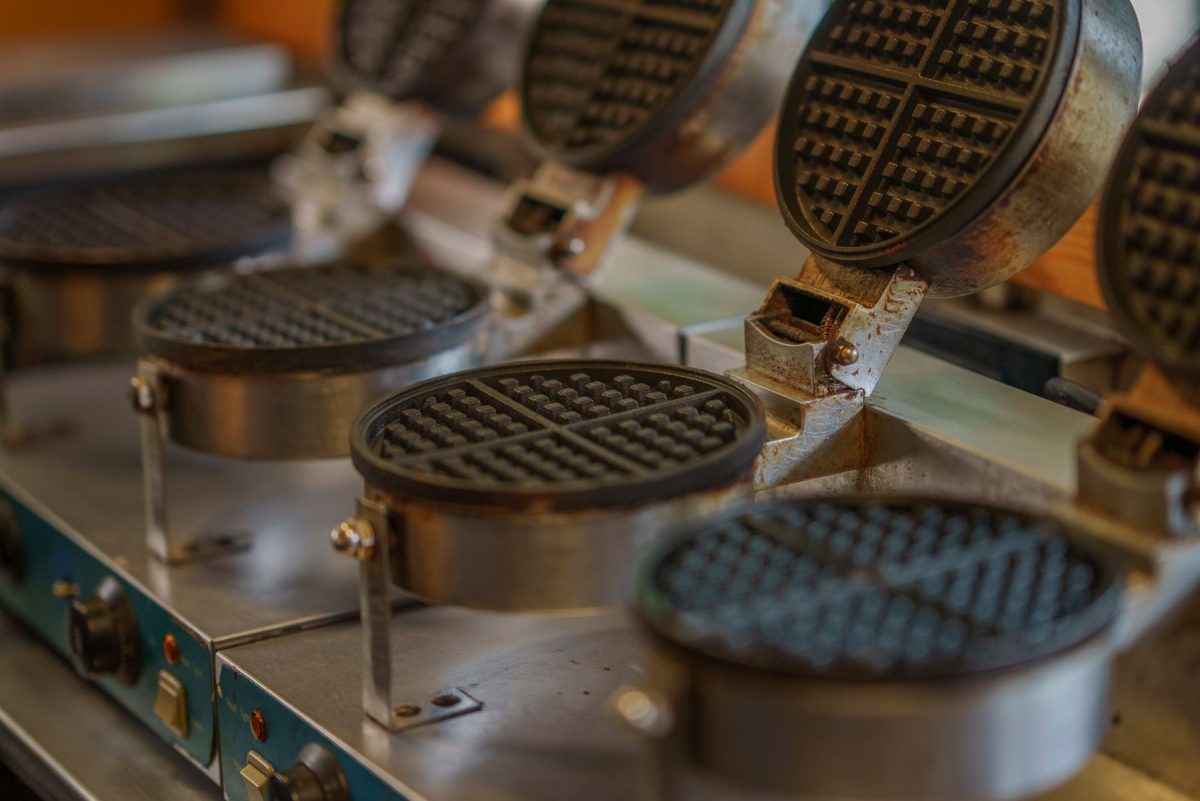
Belgian pattern makes the deep pocket
waffle customers actually picture when they order, and it holds toppings better than any other shape because those
pockets are structural rather than decorative.
The thin Belgian is the volume version. It is crisper, cooks faster and recovers temperature more quickly between
covers, which makes it the better choice for a kiosk with a persistent queue even though it plates less dramatically.
The round Belgian mini portions the format down for platters, children’s menus and shareable boxes.
If you buy nothing else, buy one of the first two. Everything after this is menu expansion rather than foundation, and
our
guide to selecting plates
covers the selection logic in more depth for a first purchase.
It is worth understanding why the deep pocket waffle plate design sells so consistently. The pockets are not
decoration; they hold sauce, spread and fruit in place instead of letting it run off the edge onto the plate. That
means a topping heavy build looks the same when it reaches the customer as it did when it left the counter, which is
what lets you charge a premium for it and photograph it credibly.
All 17 Plate Patterns and Their Commercial Job
| Group | Patterns | Verdict |
|---|---|---|
| Core | Belgian, thin Belgian, round Belgian mini | Near essential. Buy one of the first two before anything else |
| Packing and throughput | Square, small square | Essential if you deliver, optional if you do not |
| Pancake extension | American pancake, mini pancake | Cheap and sensible breakfast extension from equipment you own |
| Social and upsell | Bubble, cone, stick | Strong buys, but only with promotion behind them |
| Promotional | Heart, seasonal character | Campaign tools. Disappointing as everyday plates |
| Specialist | Stuffed, biscuit, burger bun | Excellent if the menu calls for them, dead weight if not |
Seventeen patterns in total. Every one is a wear item, so protect the coating from day one.
Shapes that solve throughput and packing
Four patterns exist mainly to make service and delivery easier, and they are consistently underrated because they
photograph less well than the novelty shapes do.
The square plate and its small square variant
produce waffles that stack flat and fit boxes without wasted space, which matters enormously if delivery is a real
channel for you. Round waffles in square boxes waste volume, move around in transit and arrive damaged far more often,
and that shows up directly in your complaint rate.
The American pancake and mini pancake plates take the machine outside waffles entirely, giving you a pancake line from
equipment you already own. For breakfast service that is a genuinely cheap menu extension, because it adds a daypart
without adding either a machine or a new ingredient line to manage.
These four are also the easiest patterns to train a new operator on, which matters more than it sounds. A shallow,
regular waffle plate design is forgiving of a slightly wrong batter volume and releases cleanly even when the timing
is a little off. Deep and intricate patterns punish both, so if your team turns over frequently, weighting your plate
set towards the simpler geometries will cost you less in wasted product than the novelty shapes will earn you.
One packing note that is easy to miss. Square formats only deliver their advantage if your boxes are actually square
and sized to the plate. Venues that buy a square plate and keep using round clamshells get none of the benefit, so
order the packaging and the plate together rather than assuming what you have will fit.
Novelty shapes that support a premium
Five patterns exist to be noticed, and they work when there is promotion behind them. The
bubble plate produces the Hong Kong style waffle
that has driven a lot of social reach for dessert venues, and it is probably the strongest single novelty buy in the
range.
The cone plate is the best upsell mechanic here, because it turns the waffle into a vessel and lets you charge for
what goes inside it. The stick plate makes a handheld walking format that suits kiosks, festivals and any venue where
customers do not sit down, and it also cuts your crockery and washing requirement considerably.
The heart plate and the seasonal character plate are promotional tools rather than everyday shapes. Bought as everyday
plates they disappoint; bought for a Valentine’s week, a festival period or family trade they pay for themselves
quickly. Be honest with yourself about which of those two things you are actually doing before you order one.
Choosing Patterns by Sales Channel
-
Delivery led Square and small square formats, plus stuffed for enclosed items. Flat stacking and
enclosed shapes survive a bag. Cones and open formats do not. -
Kiosk and walking trade Stick and cone plates carry best. Handheld formats let customers keep
moving, which shortens queues and cuts washing. -
Dine in dessert venue Belgian and bubble patterns plate most impressively. Depth and texture
photograph well and hold toppings for a higher ticket. -
Breakfast service American pancake and mini pancake plates. Adds a whole daypart without buying
another machine or another mix.
Format extension plates and the honest verdicts
Three patterns move the machine into different product categories. The stuffed plate encloses a filling, which gives
you a sealed sweet or savoury item from a waffle machine. The biscuit plate produces a firmer, cookie textured result.
The bun plate is the most interesting of the three, because it lets a kitchen with no bakery produce a distinctive
burger bun in house.
The stuffed pattern deserves a closer look than it usually gets, because it overlaps with the sealed format discussed
elsewhere in this range. It gives a small kitchen an enclosed hot item without buying a dedicated sealing machine,
which for a cafe already running waffles is a genuinely cheap way to test whether that style of product sells to its
customers at all.
The honest verdicts, then. Belgian and thin Belgian are near essential. Bubble, cone and stick are strong buys with
promotion behind them. Square formats are essential if you deliver and optional if you do not. Pancake plates are a
cheap and sensible extension for breakfast service. Heart and seasonal are promotional only. Stuffed, biscuit and bun
are specialist, excellent if the menu calls for them and dead weight if it does not.
Whatever you choose, remember that every plate is a wear item. Coatings degrade with abrasive cleaning far faster than
with use, and re coating through a
platen coating service is much cheaper than
replacement. Never put metal tools on a plate face, clean while warm rather than scraping cold residue, and store
plates separated rather than stacked against one another.
Two compliance notes worth carrying over from the machine itself. Certification practice for commercial heated
appliances is set by the Bureau of Indian Standards, and plate cleaning belongs
in your documented hygiene routine under the registration you hold via the
FSSAI portal. Plates are food contact surfaces, so they are inspected as
such.
A closing thought on how to judge any waffle plate design you are considering. Ask what menu item it creates, what you
would charge for that item, and whether a customer walking past your counter would understand it without explanation.
A pattern that passes all three is worth buying. A pattern that only passes the first is a plate you will use during
the launch week and then store, and there is one of those in most dessert kitchens in the country.
Conclusion
Treated properly, a waffle plate design is a menu line rather than an accessory. Start with a traditional deep pocket
pattern, add a square format if you deliver, add one novelty shape you are prepared to actually promote, and leave the
specialist plates until the menu genuinely needs them. Then protect the coatings, because that is what determines how
long each one earns its place. Order your packaging alongside the plate where shape matters, keep unused plates stored
separately, and re coat rather than replace when a face finally wears.
Browse the full plate range or
tell us your menu and channel mix and we will suggest an opening set of two
or three.
One reply on “All 17 Multi Waffle Plate Designs and Which Shapes Sell”
[…] and controls heat with a capillary thermostat that has an automatic cut off. You can browse the 17 multi plate designs and the shapes that sell to see how far one base unit can […]