What Is a Sealed Burger and Why Indian QSRs Are Adopting It
Ask what is a sealed burger and the short answer is a burger with its edges crimped shut, so the filling is fully
enclosed inside the bun rather than stacked between two halves. It looks a little like a large round pie and behaves
nothing like a conventional burger. That difference is why the format is spreading through delivery kitchens and quick
service menus in India, and this piece explains how it is made, what it solves, where it fits on a menu, and what to
check before you commit to it.
Key Takeaways
- The bun is pressed and crimped closed in a heated mould, so nothing slides out during handling or delivery.
- Portion control is exact, which makes food cost per unit predictable in a way stacking never allows.
- The same machine runs sweet fillings, so one unit can serve both a savoury and a dessert line.
How the format is actually made
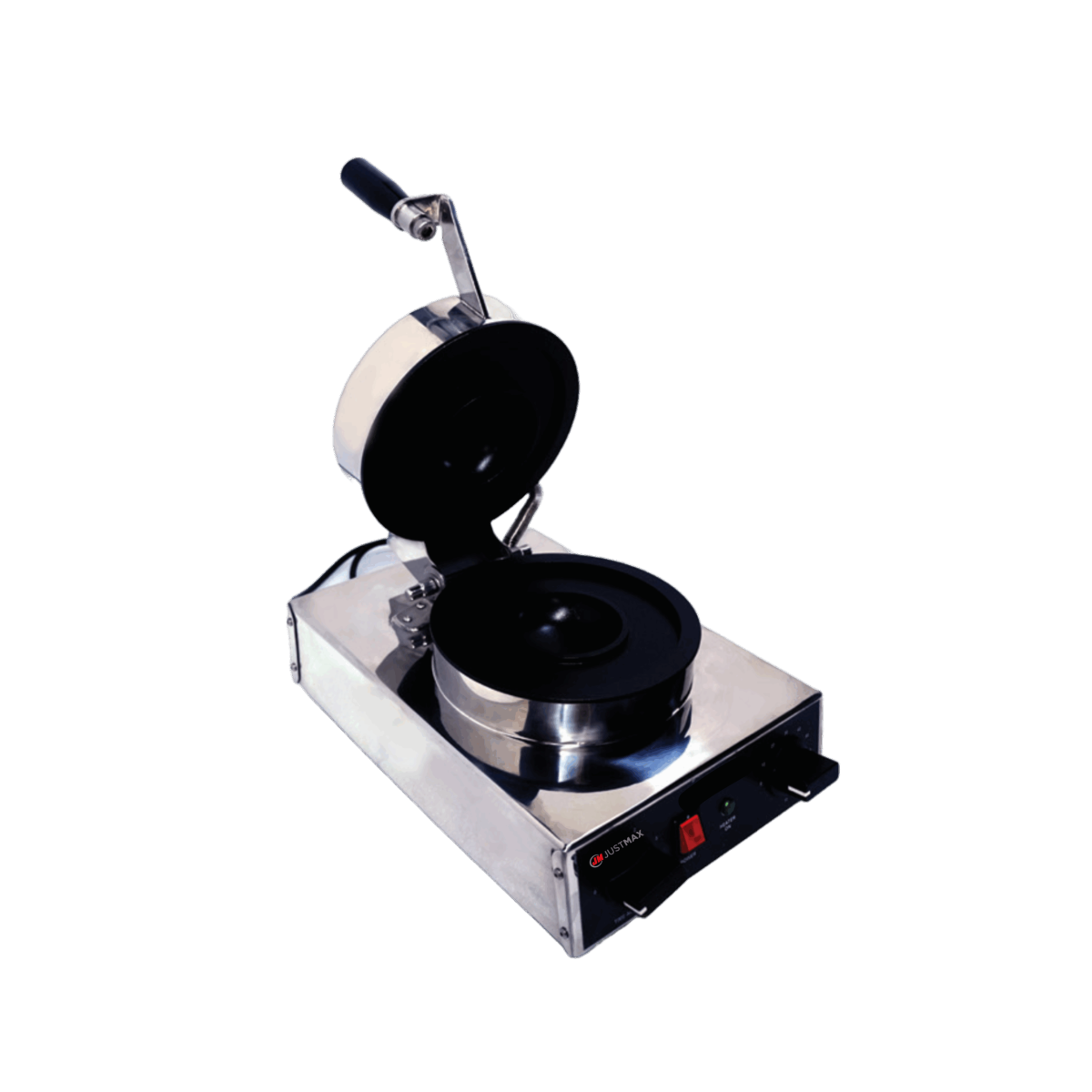
A sealing machine holds two heated moulds. A bun base goes into the lower mould, filling is added, a bun top goes on,
and the upper mould closes. Heat and pressure toast both faces while the mould rim crimps the bun edge into a
continuous seal. What comes out is a single closed parcel with a decorative crimped border and a compressed, slightly
denser bite than a stacked burger.
The whole cycle takes a couple of minutes and needs almost no knife skill, which is the operational point. A
dedicated sealing unit turns burger assembly into a
repeatable mechanical step, so output does not depend on which member of staff is on the station. Some operators also
call it a two in one machine, because the same mould set handles both savoury and sweet fillings.
Two details determine whether the finished item looks right. The first is fill volume, because the mould defines the
internal space and an overfilled parcel splits at the crimp under pressure. The second is filling moisture. A very wet
gravy steams inside the seal and softens the crimp from within, so sauces need reducing further than they would for a
stacked burger. Neither is difficult, but both need fixing on paper before service rather than discovering them during
one.
What the sealed format solves
Three problems disappear the moment the bun is closed. First, delivery integrity. A stacked burger arrives
disassembled, with sauce in the bag and salad on the lid, and that generates refunds and poor reviews. A crimped
parcel arrives intact because there is no plane for the filling to slide along.
Second, portion control. The mould defines the internal volume, so every unit carries the same filling weight. Food
cost per item becomes a fixed number rather than an average, which matters enormously once you are running promotions
on thin margins. It also makes the menu easier to cost accurately when you are pricing a new item for the first time.
Third, holding. A sealed unit retains heat and moisture noticeably longer than an open stack, so a short hold during a
rush does not ruin the product. Together these make the format a natural fit for cloud kitchens, mall kiosks and any
menu where the customer eats somewhere other than where you cooked. There is a labour benefit as well, since the press
replaces the slowest and most variable part of burger assembly.
Sealed Format Against a Conventional Stack
| Criterion | Sealed and crimped | Conventional stack |
|---|---|---|
| Delivery integrity | Arrives intact; nothing can slide out | Filling shifts, sauce escapes, salad separates |
| Portion control | Mould fixes internal volume, so cost per unit is exact | Varies by whoever assembled it |
| Heat and moisture holding | Enclosed parcel holds noticeably longer | Dries and cools quickly once assembled |
| Operator skill needed | Low; the press is a timed mechanical step | Moderate; consistency depends on the person |
| Sweet menu use | Same mould runs spread fillings | Not a natural fit |
Test your bun supply before committing. A bun that cracks at the crimp is the most common early failure.
Where it fits on an Indian menu
The format has quietly found several homes. Delivery led kitchens use it because the product survives the journey.
College canteens and food courts use it because the cycle is fast and the price per unit can be held low. Event
caterers use it because a hot item that holds for twenty minutes without collapsing is genuinely useful on a buffet
line.
The most underused application is dessert. Fill the same mould with a chocolate or nut spread and you have a hot,
enclosed sweet item that no local competitor is likely to be running. Pair the machine with the
spread range and one unit covers two menu
sections. Venues already building a broader sweet counter will find the wider
dessert appliance range worth reviewing at the same
time.
Indian vegetarian menus adapt well too, since paneer, potato and mixed vegetable fillings hold their shape inside a
sealed bun far better than they do in a stack. That makes the format easier to localise than most imported equipment
categories, and it removes the awkward problem of a vegetarian patty that falls apart when a customer picks it up.
One positioning note. The crimped shape is unfamiliar enough that it needs naming on the menu and ideally showing in a
photograph. Customers who have never seen the format do not know what they are ordering, and a single line of
description converts noticeably better than the product name alone.
Where it fits less well is worth saying too. A dine in venue with a grill already running and customers eating at the
table gains much less, because the containment advantage is worth little when the food travels three metres.
Similarly, a menu built around visible layering and height loses its main selling point once everything is enclosed.
The format is strongest wherever the food has to survive a journey and weakest wherever the customer is watching it
being built.
Portion size also deserves a thought at menu design stage. Because the mould fixes the dimensions, you cannot offer a
larger version of the same item without a second mould or a second machine. Venues that rely on a size ladder to lift
average ticket need to find that uplift somewhere else, usually in sides, a drink or a premium filling.
What to check before you add it
Two practical constraints decide whether this works in your kitchen. Bun supply comes first. The format needs a bun
that is soft enough to crimp without cracking and sturdy enough to hold filling, and not every local bakery supplies
one consistently. Test with your actual supplier before you commit to the menu, and test across a full week rather
than a single delivery, because bakery consistency is exactly what varies.
Cleaning is second. Mould faces need wiping between sweet and savoury runs, and a proper clean at the end of service,
or residue carbonises onto the surface and begins marking the product. Neither is difficult, but both need to be in
the closing routine rather than left to goodwill.
On the regulatory side, the usual duties apply: hold the correct registration through the
FSSAI licensing portal and follow standard hot holding and hygiene
practice. If you run nut based sweet fillings, state the allergen position on the menu, since guidance published under
Eat Right India is clear that customers should be able to see it
before they order rather than having to ask.
Checklist for Adding the Format
- Trial buns from your actual supplier across a week and confirm they crimp without cracking
- Fix filling weights against the mould volume and write them into the recipe card
- Reduce sauces further than you would for a stacked burger so the crimp does not soften
- Decide the sweet and savoury schedule, and the clean between them
- Confirm the electrical connection with an electrician before first service
- Add mould wiping and end of service cleaning to the closing routine
- Name and photograph the format on the menu; customers do not recognise it yet
- Check your food business registration is current and covers the service type
Conclusion
So what is a sealed burger, in commercial terms? It is a way of making burger assembly mechanical, portioning exact,
and delivery survivable, with a dessert line available from the same machine at no extra equipment cost. For Indian
quick service and delivery kitchens looking for a format that is not already on every neighbouring menu, it is one of
the easier wins available. The two things to settle before you order are a bun that crimps reliably and a filling dry
enough to hold, and both are cheap to test in a quiet week.
See the machine specification or
talk to us about your kitchen and menu mix.